When you're on the trail for hours, the best women's hiking apparel makes the difference between a great day and a miserable one. I've put dozens of pieces through rain, salt, mud, and real mileage—on Half Moon Bay foggy mornings, Sierra granite scrambles, and wet dog walks that turn into unexpected adventures. Specs are promises. Wear is the truth. Here's what earned a spot in my closet.
What Makes Great Hiking Apparel?
First, forget fashion trends. The best women's hiking apparel prioritizes fabric technology, fit, and durability. Look for moisture-wicking baselayers that don't stink after a day of sweat. Midlayers that trap warmth without adding bulk. Outer shells that block wind and rain while letting steam escape. And pants that let you lunge over a log without splitting the seams. I've torn cheap leggings on granite and learned the hard way: invest in quality or buy twice.

Top Picks for Every Season
For three-season hiking, I keep coming back to a few standouts. The Patagonia Capilene Cool Daily shirt handles coastal humidity and Sierra sun alike—it dries fast and doesn't hold odors as badly as synthetics from cheaper brands. For insulation, the Arc'teryx Atom LT hoody is pricey but worth it if you hike in variable weather: packs tiny, breathes well, and blocks light wind. For rain, the Outdoor Research Helium jacket is my go-to for weight and packability—it's soaked through on long downpours, but for most day hikes it's enough. When you're looking for the best women's hiking apparel, these three pieces cover 90% of my trail days.
For pants: the REI Co-op Trailmade pants have a gusseted crotch that lets me move, and they're under $100. For colder weather, the Fjällräven Abisko Midsummer trousers are tougher, but they cost more and need waxing.

How to Layer Like a Pro
Layering is the secret to staying comfortable from trailhead to summit. Start with a synthetic or merino baselayer—avoid cotton, which soaks up sweat and chills you. Add a fleece or microfleece midlayer; I use the Melanzana Micro Grid Hoodie for its brushed interior and stretch. Top with a breathable shell. The best women's hiking apparel works together as a system: you can peel off layers as you warm up and add them back on during breaks. Test your layers on a windy ridge before committing. I learned that lesson on Mount Whitney when my cheap fleece let the wind cut right through.
Budget vs. Premium: What's Worth It?
Not every piece needs to be premium. For baselayers, I've had good luck with mid-priced brands like Columbia and Smartwool—wait for sales. For shells, the Marmot PreCip is reliable and affordable, though it doesn't breathe as well as Gore-Tex. The best women's hiking apparel doesn't have to empty your wallet. Pay more for items that take the most abuse: waterproof jackets and hiking pants. Save on shirts and shorts. And always check the return policy—REI's is still great, and many brands offer generous satisfaction guarantees.
What Failed First?
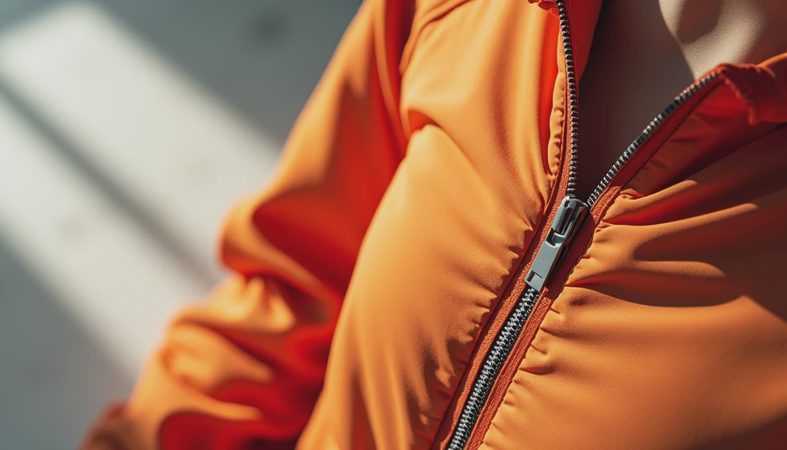
Over the years, zippers are the first thing to go on budget jackets. Pockets that're too small to hold a phone. Elastic that loses stretch after a few washes. The best women's hiking apparel has robust zippers (YKK is a good sign), useful pocket placement, and reinforced seams in high-wear areas. I've retired two pairs of pants because the inner thigh seam gave out. Now I look for gusseted crotches and double stitching.
How to Choose the Right Fabric for Your Hikes
Fabric choice matters more than any tag price. For baselayers, merino wool is naturally odor-resistant and comfortable across a wide temperature range—I hike in a Smartwool 150 for all but the hottest days. Synthetics like polyester and nylon dry faster and cost less, but they can trap smells after repeated use. The best women's hiking apparel blends these fibers for the best of both worlds. Midlayers should be fleece or light down; fleece breathes better, down packs smaller but loses insulation when wet. For outer shells, look for a waterproof/breathable membrane like Gore-Tex or Pertex Shield, and check that the face fabric is ripstop nylon—it resists tears from branches and rocks. I've seen cheap shells delaminate after one season. Don't ignore the zippers: a waterproof front zipper with a storm flap costs more but keeps out rain. For bottoms, stretch-woven nylon with a DWR treatment is ideal for hiking pants. I rely on the Outdoor Research Ferrosi pants for their four-way stretch and brushed interior. They aren't waterproof, but they dry fast and block wind. When you're building your kit, match the fabric to the conditions. A humid coastal hike needs different materials than a dry alpine ridge. The right fabric choices turn good gear into great gear—purpose-built for where you actually hike.
Would I buy it again? That's the question I ask myself after every field test. For the pieces listed here, the answer is yes. They've survived rain, salt, and real mileage.
So whether you're a weekend day-hiker or a multi-day backpacker, investing in the best women's hiking apparel means more time enjoying the trail and less time fighting your gear. Get out there—I'll see you on the coast.


No comments yet — be the first to share a thought.