There’s a special kind of quiet on a 6 a.m. trailhead. The air is cold, the ground is damp, and your car thermometer reads 38°F. If you’ve ever stood there shivering because your **early morning hiking layers** weren’t dialed in, you know the feeling. Getting the layering system right for those first few miles can make or break the whole hike. I’ve tested plenty of combos on foggy Half Moon Bay mornings and Sierra starts, and here’s what actually works.
The Problem with Morning Starts
The biggest mistake hikers make is overdressing for the parking lot. You step out of the car, it’s freezing, so you throw on a thick puffy and a heavy fleece. Then you start climbing, and within ten minutes you’re sweating through everything. Now you’re wet, cold, and stuck with a soaked base layer. That’s where **early morning hiking layers** need to be thought of as a system, not just a pile of clothes. The goal is to start slightly cool—even a little chilly—so that once you generate heat, you hit that perfect temperature without peeling off half your outfit.
Base Layer: Your First Decision
Start with a thin, breathable synthetic or merino wool top. I’ve been using the Patagonia Capilene Cool Lightweight Hoody (around $55) for years. It wicks sweat fast and doesn’t hold odor. Merino options from Smartwool or Icebreaker are great too, but they dry slower. On a damp coastal morning, synthetic wins. Avoid cotton at all costs—it soaks up moisture and stays cold. Your base layer is the foundation of your **early morning hiking layers**. If it fails, everything above it fails.

Mid-Layer: The Insulation Trap
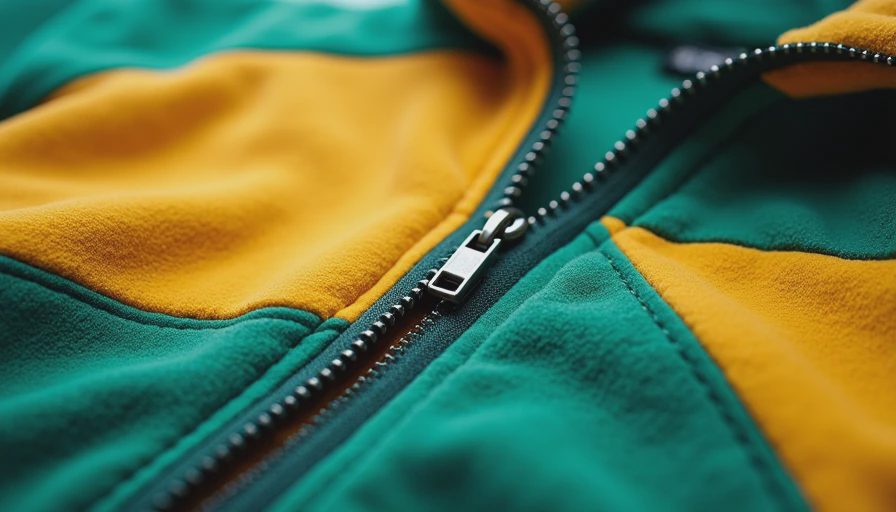
This is where most people go wrong. For a cold start, you want a light-to-midweight fleece or a synthetic insulated jacket that breathes. My current go-to is the Arc'teryx Atom LT Hoody (around $260)—it has synthetic insulation on the chest and fleece side panels that dump heat. If you’re on a budget, the REI Co-op 650 Down Jacket 2.0 (around $100 on sale) works but only if it’s dry; down loses all insulation when wet. For humid early mornings, synthetic is safer. The key is to choose a mid-layer that you can comfortably hike in without sweating even before you unzip it. If you’re warm standing still, it’s too thick.
Outer Shell: Block the Wind
A lightweight windbreaker or softshell is often enough for the first mile. I carry the Outdoor Research Ferrosi Hoody (about $100) because it’s breathable, stretchy, and cuts wind well enough for 40°F starts. If rain is in the forecast, I swap to a waterproof shell like the Patagonia Torrentshell 3L (around $160). But for most clear cold mornings, a wind layer is plenty. You’ll take it off once you hit a sunny ridge or the trail gets steep. The outer shell should be the last piece you put on and the first you take off.
Fine-Tuning for Temperature Swings
The beauty of a good layering system is adaptability. Start with base + mid + shell. After 15 minutes, if you’re warm, strip the shell and stash it. If you’re still cool, keep it on. As the sun rises and temperatures climb, you might drop the mid-layer too. By mile 3, you could be hiking in just a base layer with the shell tied around your waist. That’s why **early morning hiking layers** need to be easily packable. Look for items that stuff into their own pocket or compress small. No one wants to carry a bulky puffy when the temperature hits 55°F.
Field Notes Summary
Here’s the short version: start cool, use a synthetic base, choose a breathable mid-layer, and top with a wind shell. Adjust as you go. On a recent 8-mile loop on Montara Mountain (start temp 42°F), I wore a Capilene base, an Atom LT, and a Ferrosi. I shed the shell at mile 1.5 and the mid-layer at mile 3. Never sweated, never shivered. That’s the goal. Building the right **early morning hiking layers** takes a little trial and error, but once you find your system, cold starts become something to look forward to.
Why Your Legs Need Their Own System
Most of the focus goes to the torso, but your legs can make or break a morning hike. On a cold start, your quads and glutes generate a lot of heat once you start moving, so you want less insulation there than you think. I wear lightweight merino leggings (like Smartwool NTS Mid 250, about $80) under a pair of breathable softshell pants. For colder mornings below 30°F, I add a thin grid-fleece pant layer from Patagonia (the Capilene Thermal Weight bottoms, $79). The key is to avoid thick sweatpants or insulated snow pants—they’ll overheat you fast. On the Montara hike I mentioned, I started in just the leggings and softshell, and by mile 2 I was comfortable in just the leggings after shedding the outer pants. Don’t forget a lightweight wind pant for your pack; it adds ounces and saves the day if the wind picks up.
Quick Checklist for Your Next Cold Start
- **Base:** Synthetic or lightweight merino (no cotton)
- **Mid:** Light fleece or synthetic insulated jacket
- **Shell:** Windbreaker or softshell (waterproof if rain)
- **Extras:** Beanie, gloves, buff for below-freezing starts
- **Packing:** Everything should compress to fist-size or smaller
Rain, salt, and real mileage included—that’s how I test every layer. Next time you’re shivering by the car, remember: the system is smarter than the coat. Trust it.


No comments yet — be the first to share a thought.