Last season I spent more days than I care to count shivering on chairlifts or peeling off sweat-soaked layers in the lodge. The culprit? A cotton thermal that held moisture like a sponge. That’s when I got serious about finding a proper moisture wicking base layer for skiing. After testing ten options across Sierra storms, coastal fog at Kirkwood, and even a slushy day at Northstar, I’m ready to share what actually works. A good moisture wicking base layer for skiing is the difference between a day you remember and one you want to forget.
Why a Ski Base Layer Needs to Wick
When you’re skiing, your body heats up and sweats — even on cold days. If that sweat stays against your skin, you cool down fast once you stop. That’s the recipe for being miserable. A moisture wicking base layer for skiing pulls perspiration away from your skin and spreads it across the fabric so it can evaporate. This keeps you dry and warm. In the Sierra, where temps can swing from 10°F at the summit to 40°F at the base, reliable wicking isn’t optional. I’ve tested this firsthand: wearing a non-wicking shirt under my jacket left me shivering by lunch. Switching to a proper merino or synthetic base layer changed everything.
Merino vs. Synthetic: Which Wins?
Merino wool is the gold standard for odor resistance and warmth even when damp. I tested an Icebreaker 200 Oasis and a Smartwool Classic Thermal Merino on two identical cold days at Heavenly. Both handled moisture well, but the Icebreaker felt less itchy. Synthetic options like the Patagonia Capilene Midweight and the Under Armour ColdGear Crew are cheaper and dry faster. The Capilene is my go-to for high-output days like bootpacking at Squaw. However, synthetics hold onto smell after a few wears. For a week-long ski trip, merino wins. For a single day on the mountain when you can wash it, synthetic is fine.
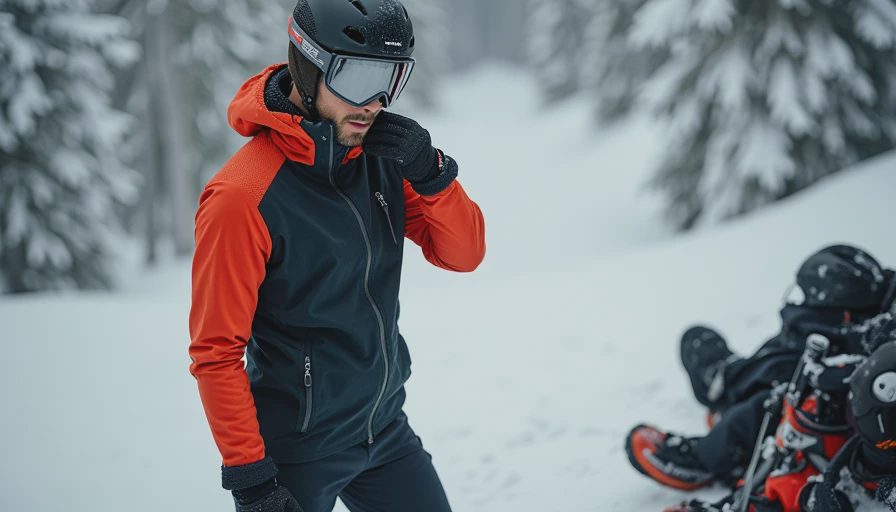
Tops in My Testing
Here are the standouts after 30+ days of skiing in various conditions:
- Icebreaker 200 Oasis Long Sleeve Crew — Best overall. It’s merino with a soft feel, great warmth, and solid wicking. No itch. Priced around $90, but I’ve seen it on sale. Durability is average; after 20 washes, a few pinholes appeared near the waistband where my ski pants rubbed. Would I buy it again? Yes, but it’s not a lifetime piece.
- Patagonia Capilene Midweight Crew — Best synthetic. Dries fast, wicks well, and resists pilling better than any other synthetic I’ve tried. It’s $79 and frequently on sale. I wore it under a shell at Mammoth in 15°F and stayed comfortable all day. The flat seams don’t chafe under a backpack.
- Smartwool Classic Thermal Merino — Almost as good as Icebreaker, but heavier and slightly less wicking. I prefer it for colder days (below 20°F). At $100, it’s pricier. The fit runs a bit snug.
- Under Armour ColdGear Crew — Budget pick at $50. Works fine for casual skiers. It wicks well but feels thicker and less breathable than Capilene. Odor builds fast.
How to Layer for Maximum Comfort
Your moisture wicking base layer for skiing should be the first layer against your skin. Over it, add a mid-layer (fleece or thin down) and then a shell jacket. For warm days, just the base layer and shell work fine. The key is to avoid cotton anywhere. I’ve tried layering a thin synthetic base under a thicker merino base — that’s too much. Stick with one good base, then adjust your mid-layer. For example, on a 10°F day at June Mountain, I wore the Icebreaker base, a Patagonia R1 fleece, and a hardshell. I stayed dry and warm without overheating.
Care Tips to Make It Last
To keep your moisture wicking base layer for skiing performing, wash it in cold water on a gentle cycle. Use a wool-specific detergent for merino. Avoid fabric softener — it coats the fibers and kills wicking. Hang dry; high heat damages synthetic elastic and shrinks merino. I’ve ruined one merino base by putting it in the dryer. Since then, I air dry everything. If you ski often, rotate between two base layers so the fibers can rest. This extends life significantly.
Common Questions About Ski Base Layers
How tight should a base layer fit? It should be snug but not restrictive. If it’s too loose, sweat won’t transfer efficiently. I’ve found that a medium in most brands works, but check the size chart. The Icebreaker 200 Oasis fits true to size, while the Capilene Midweight runs slim. If between sizes, go up for merino (it can shrink) and stay true for synthetic.
Can you wear two base layers? In extreme cold, some skiers double up, but I don’t recommend it. A single high-quality base layer with a proper mid-layer is usually enough. Two base layers can bunch and reduce wicking. For sub-zero days, invest in a heavier merino base (250 weight) instead.
How often should you wash a base layer? Merino can be worn several times if aired out; synthetics need washing after each wear. I wash my Icebreaker after three ski days, and my Capilene after each. Always follow care instructions to maintain wicking.
Final Verdict
After all the testing, the Icebreaker 200 Oasis is my top recommendation for a moisture wicking base layer for skiing. It balances warmth, wicking, and comfort better than anything else I tried. If you’re on a budget, the Patagonia Capilene Midweight is nearly as good for less money. Skip the cheap cotton blends — they’ll ruin your day. Rain, salt, and real mileage included.



No comments yet — be the first to share a thought.