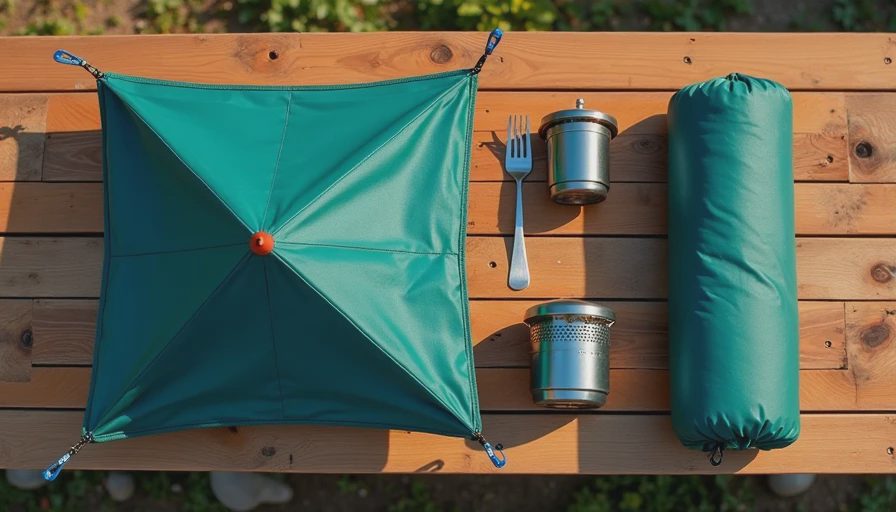
I’ve spent more nights than I can count hauling ultralight backpacking gear through foggy coastal redwoods, Sierra thunderstorms, and salty beachside camps. And I’ve learned the hard way that not every 10-ounce wonder earns its place in my pack. Ultralight backpacking gear sounds great in a spreadsheet, but the trail reveals what’s really built for rain, salt, and repeated use. Here’s what I actually trust after hundreds of miles.
What “Ultralight” Actually Means on the Trail
Ultralight backpacking isn’t a strict weight limit—it’s a philosophy of carrying only what you truly need, and making every ounce count. A typical base weight under 10 pounds is the goal, but the real test is how that gear performs when conditions turn sideways. I’ve seen a 7-ounce tent collapse in a gust, and a 5-ounce quilt leave me shivering in 40°F drizzle. Being ultralight means knowing what fails first—and what doesn’t.
On the West Coast, that means dealing with damp. Fog, sea spray, and sudden downpours are constants. Cotton kills, but so does cheap DWR that wets out after one trip. The best ultralight backpacking gear uses materials like Dyneema, silnylon, or high-fill down with hydrophobic treatment. And it has to pack small enough to leave room for snacks and a beer at the end of the day.
My Three Go-To Ultralight Backpacking Gear Picks
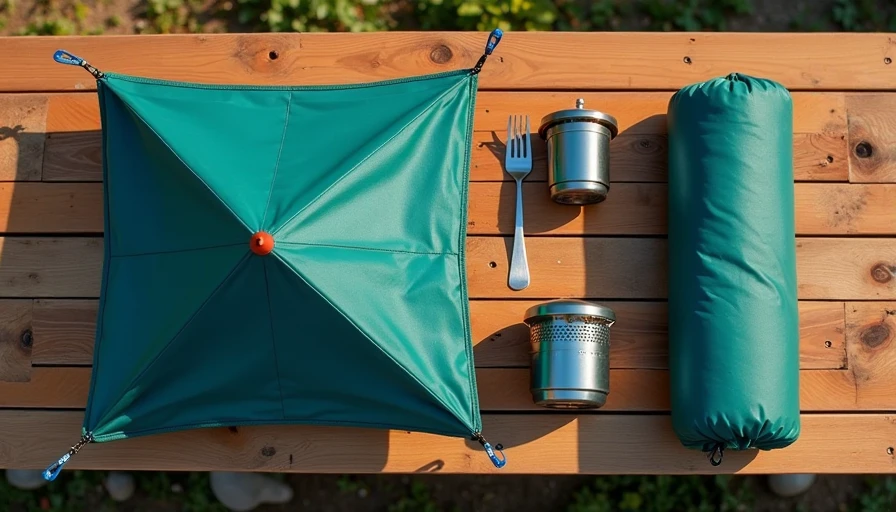
After testing dozens of packs, shelters, and sleep systems, these three pieces have stayed in my rotation the longest.
Pack: Gossamer Gear Gorilla 50
This pack hits the sweet spot at 28 ounces. The frame transfers load well enough for a 30-pound total carry, and the mesh pockets hold a wet tarp or jacket without adding bulk. Rain, mud, and Sierra granite haven’t fazed it. Would I buy it again? Yes—and I did, after the first one hit 2,000 miles.
Shelter: ZPacks Hexamid Solo Plus (with doors)
At 11 ounces, this Dyneema tarp-tent hybrid keeps wind and rain out without trapping condensation. It pitches fast with two trekking poles. On a windy beach at Point Reyes, it held firm while tent campers around me packed up. Pricey, yes—but I’ve never regretted it.
Sleep System: Enlightened Equipment Enigma Quilt (30°F) + Therm-a-Rest NeoAir XLite
Total weight: 22 ounces for quilt, 12 for pad. The quilt lets me vent on warmer nights, and the pad’s 4.2 R-value is enough for Sierra shoulder seasons. After 80+ nights, the quilt’s 10D fabric shows some wear, but no feathers have escaped.
How to Shave Ounces Without Breaking Your Budget
Ultralight backpacking gear doesn’t have to cost a mortgage payment. Start with the big three: pack, shelter, sleep system. Replacing a 4-pound tent with a 2-pound trekking-pole shelter saves more weight per dollar than swapping a titanium spoon for a plastic one.
Budget-friendly swaps:
- Use a polycryo groundsheet ($5) instead of a dedicated footprint.
- Swap your camp stove for a cold-soak setup (0 ounces, $0).
- Cut your toothbrush in half—seriously, it works.
- Ditch the camp chair. Sit on your pack.
I’ve found that mid-range brands like REI Co-op, Marmot, and Sea to Summit offer solid ultralight options for half the price of boutique brands. Check the used gear section at your local REI—I scored a 2-pound tent for $120 that lasted three seasons.
What I’ve Learned About Durability vs. Weight
There’s a trade-off: lighter often means less durable. That 3-ounce rain jacket will rip on a branch. A 6-ounce backpack can’t haul 40 pounds. My rule: don’t go below the durability floor for your typical trip. For coastal hikes, I use a 7D fabric quilt but a 20D pack. For Sierra granite, I bump both up to 20D.
What failed first? A cheap 8.5-ounce tent pole that snapped in a gust. A 4-ounce sleeping pad that developed a slow leak after three nights. A 10-ounce pack that couldn’t carry a bear canister without sagging. I replaced all of them with slightly heavier, more robust versions—and I’m happier for it.
The One Piece of Ultralight Gear I’d Never Skip
A good rain shell. Even in ultralight mode, I carry a 7-ounce Gore-Tex jacket (like the Outdoor Research Helium or Montbell Versalite). It weighs nothing, but it makes the difference between a miserable wet slog and a cozy hike. When the fog rolls in over Half Moon Bay, I’m glad I didn’t save those five ounces.
Final Thoughts: Specs Are Promises, Wear Is the Truth
Ultralight backpacking gear can transform your trips—less weight means more miles, less fatigue, and more joy. But choose carefully. Look for gear that’s been tested in real conditions, not just on a gram scale. Rain, salt, and real mileage included, I’ll take function over hype every time. If you’re building your first ultralight kit, start with a solid shelter and sleep system, then optimize from there. And if you’re ever in Half Moon Bay, let’s hit the trail—I know a spot where the fog clears just at sunset.
No comments yet — be the first to share a thought.