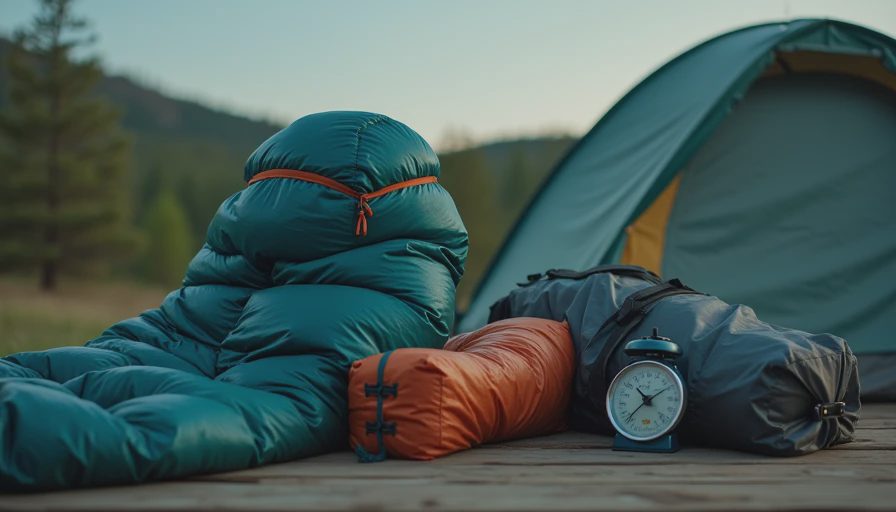
After a winter of testing sleeping bags on wet coastal trails and cold Sierra nights, I’ve formed some strong opinions about the ultralight sleeping bag market. If you’re thru-hiking the PCT or just want to cut pack weight for weekend trips, choosing the right ultralight sleeping bag is one of the most important gear decisions you’ll make. I’ve tried top models from Western Mountaineering, Enlightened Equipment, and Sea to Summit, and below I’ll break down what held up—and what didn’t. I remember one foggy morning on the Lost Coast Trail: my old synthetic bag had soaked up so much moisture it weighed nearly twice its dry spec. That’s when I started hunting for a true ultralight sleeping bag that could handle coastal damp without dragging me down.
Why Choose an Ultralight Sleeping Bag?
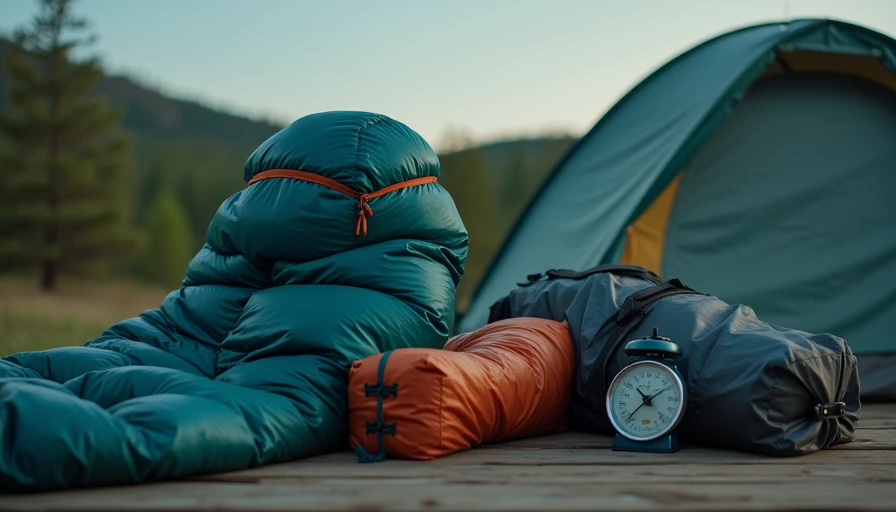
Carrying a heavy sleeping bag is miserable. After ten miles on a rainy trail, every ounce of pack weight is magnified. That’s why I switched to an ultralight sleeping bag years ago. These bags typically weigh under two pounds and pack down small, leaving room for extra food or a luxury item like a sit pad. But not all ultralight sleeping bags are created equal. Some sacrifice warmth for weight, others add features that drive up the price without improving comfort. I’ve tested bags in rain and salt air around Half Moon Bay, and I’ve seen zippers fail and down clump. The key is finding an ultralight sleeping bag that balances warmth, weight, durability, and price. For most hikers, a bag rated to 20°F works well for three-season use. Lighter 30°F bags are better for summer only, but they can leave you shivering if a storm rolls in. I once took a 40°F quilt into the Sierra in September—big mistake. Now I carry a 20°F ultralight sleeping bag year-round, and I sleep better for it.
Down vs Synthetic: Which Ultralight Sleeping Bag is Right for You?
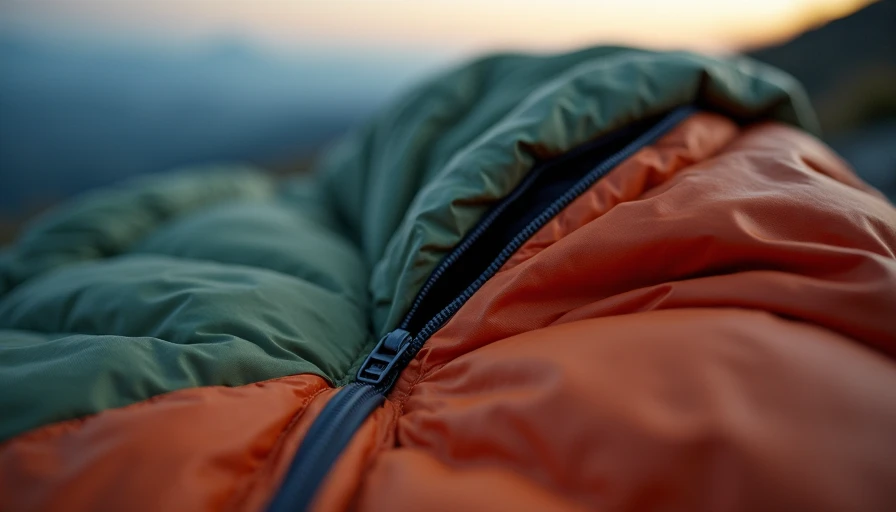
The biggest debate in lightweight camping is down versus synthetic insulation. Down ultralight sleeping bags offer the best warmth-to-weight ratio and packability. I’ve used a Western Mountaineering UltraLite down bag for years, and it keeps me toasty down to freezing. However, down loses nearly all insulation value when wet. Synthetic ultralight sleeping bags, like the Sea to Summit Spark line, maintain warmth even when damp, making them a better choice for wet climates like the Pacific Northwest or coastal California. But synthetics are heavier and less compressible. For a true ultralight sleeping bag on a long dry trek, down wins. For coastal or damp trips, consider synthetic. I’ve had both fail in specific conditions—down clumped in a surprise rainstorm on the PCT, synthetic lost loft after heavy use in the Sierras. Your choice depends on where you hike most. If you primarily camp in the arid Southwest, go down. If you chase waterfalls in the PNW, synthetic might be smarter. Either way, an ultralight sleeping bag that fits your climate will serve you better than a one-season-wonder.
Our Top Picks for Ultralight Sleeping Bags
After dozens of nights in the field, these are the ultralight sleeping bags I'd trust for a long trail. **Western Mountaineering UltraLite:** The gold standard for down bags, 20°F, 1 lb 8 oz, around $600. It’s expensive but packs small and lasts—I’ve put over 300 miles on mine and the zipper still runs smooth. **Enlightened Equipment Revelation:** A quilt option for weight savings, 20°F, 1 lb 4 oz, $350. It’s versatile, but you’ll need a pad with good attachment to avoid drafts. On gusty nights near Half Moon Bay, I woke up cold where the quilt lifted. **Sea to Summit Spark SpII:** Synthetic, 25°F, 1 lb 12 oz, $300. Good for wet weather—I used it on a damp coastal trail and stayed warm. But it doesn’t compress as small as down, so it takes up more pack space. Each ultralight sleeping bag has trade-offs. Would I buy any of them again? Yes, but only for the right trip. The Western Mountaineering is my go-to for dry alpine trips; the Sea to Summit comes out when rain is likely.
Price vs Performance: How to Spend on an Ultralight Sleeping Bag
Ultralight sleeping bags span from $200 to over $700. The price jump usually reflects fill power (for down) or fabric weight. A 950-fill down ultralight sleeping bag saves a few ounces over 800-fill but costs $100 more. Is it worth it? If you’re trying to hit a base weight under 8 pounds, yes. For weekend backpackers, a mid-range option like the Enlightened Equipment Revelation offers great value. Avoid the cheapest ultralight sleeping bags—they often use low-grade down or heavy shells that defeat the purpose. I’ve tested a $180 synthetic bag that weighed nearly 3 pounds; it wasn’t ultralight by any stretch. Stick with reputable brands and read field tests. Rain, salt, and real mileage included—I'd rather sleep cold than trust a bag that hasn’t been proven outside.
Final Thoughts: Pack the Right Ultralight Sleeping Bag for You
Choosing an ultralight sleeping bag is personal. I’ve learned the hard way that the lightest bag isn’t always the best for my conditions. For coastal trips, I go synthetic; for the high Sierra, down. The ultralight sleeping bag you choose should match your typical weather, not just your gear weight obsession. Try to test a bag on a short trip before committing to a long thru-hike. And remember: a good night’s sleep is worth the extra ounces. So whether you’re eyeing a down mummy or a synthetic quilt, make sure your ultralight sleeping bag can handle the weather you actually hike in.
No comments yet — be the first to share a thought.