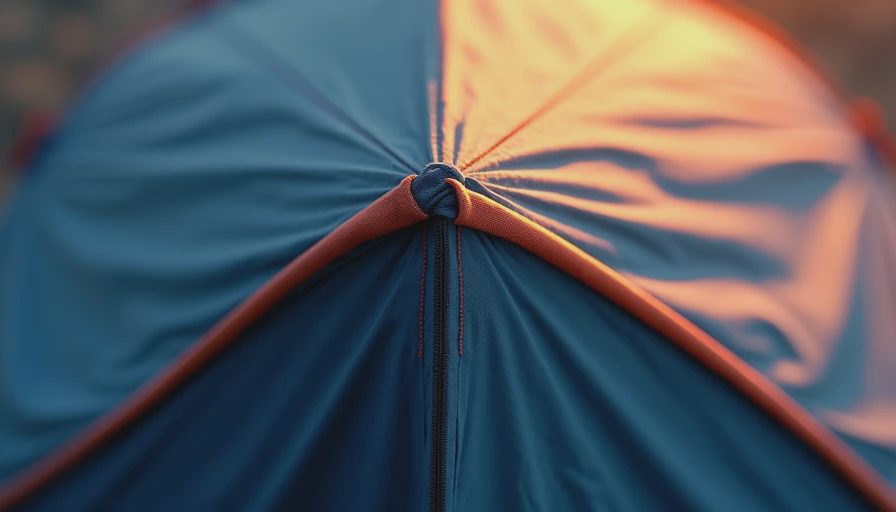
I’ve spent countless nights sleeping in an ultralight tent along the California coast and up in the Sierras. Rain, salt, and real mileage included. An ultralight tent is a game-changer for hikers who want to cover ground without breaking their backs, but it’s not a one-size-fits-all solution. After testing several models over hundreds of trail miles, here’s what I’ve learned about finding the right ultralight tent for your adventures.
Why Go Ultralight?
Every ounce counts when you’re hiking 15–20 miles a day. Swapping a standard four-pound tent for a two-pound ultralight tent saves nearly two pounds off your pack weight. Over a 200-mile hike, that’s like carrying a small cinderblock less. The result is less fatigue, faster miles, and more energy at camp for cooking and enjoying the evening. But going ultralight means making compromises—usually in livable space, durability, or weather protection. The key is finding a balance that works for your typical trips. For me, that means testing an ultralight tent in real conditions—coastal fog, Sierra thunderstorms, and the occasional gusty ridge—before trusting it for a long hike.
What I Look for in an Ultralight Tent
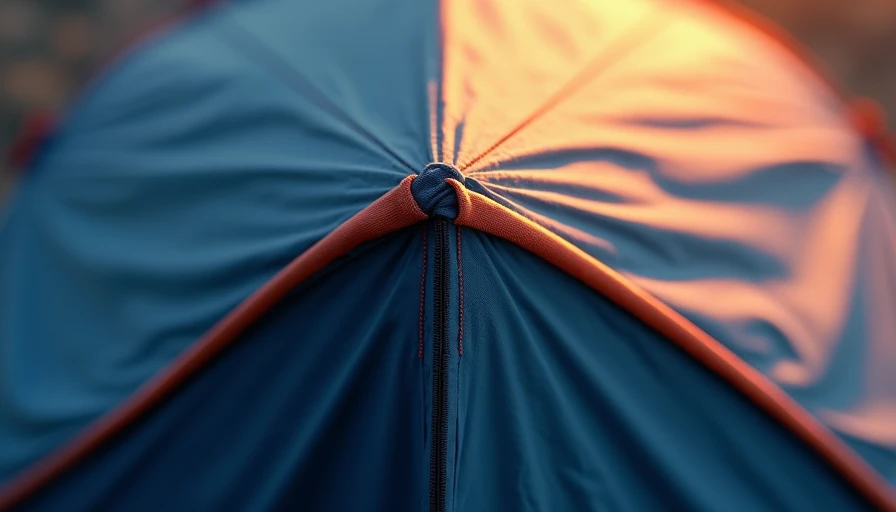
Not all ultralight tents are created equal. I prioritize weight (under three pounds for a two-person model), packed size, and ease of setup. Look for silnylon or Dyneema Composite Fabrics. Dyneema is my go-to for long-distance hikes because it doesn’t absorb water and packs tiny, but it’s expensive and less abrasion-resistant. Silnylon is cheaper and more durable, though it gets heavier when wet. I also check for adequate vestibule space to store gear, a bathtub floor to keep moisture out, and a double-wall design for condensation control. Single-walled tents save more weight but can get clammy. For coastal trips, ventilation is critical. I’ll take a slightly heavier ultralight tent if it means less condensation in the morning.
Top Picks Under 3 Pounds
After testing, here are the ultralight tents that earn their place on the trail:
- **Zpacks Duplex** – At around 1.3 pounds, this Dyneema classic is a benchmark. I’ve taken mine through moderate rain and wind. It held up well, but condensation was an issue on damp nights. Perfect for solo or duo use in dry climates. Setup uses trekking poles, so it’s not for everyone.
- **Big Agnes Copper Spur HV UL2** – Weighing 2.8 pounds, this double-wall tent strikes a great balance. It’s more durable, offers ample interior space, and sets up easily. Great for three-season use and a good entry point if you’re new to ultralight. The trade-off is weight, but the livability is worth it.
- **Nemo Hornet 2P** – At 2.1 pounds, it’s a solid budget-friendly option. Setup is straightforward, and the vestibule is generous. The floor is thin, so use a groundsheet. I’ve used this on coastal hikes and found it handles wind reasonably well.
- **Gossamer Gear The Two** – A trekking-pole shelter at 1.7 pounds. It offers excellent weather protection for its weight. The silnylon interior can sag when wet, but it packs small. Best for experienced ultralight hikers.

The Trade-Offs You Need to Know
Ultralight tents come with compromises. Condensation is the biggest issue—especially in single-walled designs. In cold weather, moisture collects on the inside, and you’ll need to manage ventilation with strategic opening of vents or doors. Durability is another concern: Dyneema can puncture if snagged on a branch, so always carry a patch kit. Silnylon tents are tougher but heavier. Price is also higher per ounce saved—expect $400–$700 for a quality ultralight tent. But if you’re serious about shedding pack weight, these trade-offs are worth it. My general rule: test an ultralight tent in your backyard, then take it on a rainy weekend trip. See how it handles wind. If it passes, it’s a keeper.
How to Choose the Right Ultralight Tent for Your Trips
Consider your primary use. Solo section hiker? Look for a one-person design under 2 pounds. Partner trips? A two-person with two doors and vestibules is ideal. For alpine environments, prioritize wind stability and snow shedding—a double-wall tent with a low profile works best. For coastal trails, moisture management is key: a double-wall tent with good ventilation prevents condensation. Think about seasons: four-season ultralight tents exist but are niche. For most three-season hiking, a 2–3 pound ultralight tent is plenty. Don’t overlook ease of setup—if you’re exhausted after a long day, a quick pitch matters.
Final Verdict
Would I buy an ultralight tent again? Absolutely. For long hikes where every pound matters, it’s a worthwhile investment. Start with a proven model like the Big Agnes Copper Spur UL2 if you’re new to ultralight, or go all-in with a Dyneema option like the Zpacks Duplex if budget allows. Test it in your backyard first—trail testing is the only way to know if it fits your needs. Rain, salt, and real mileage included, an ultralight tent has become my go-to shelter for most trips. Just know the trade-offs and choose accordingly. Trail first, town second—but both matter.
No comments yet — be the first to share a thought.