When I tell people I write about hiking fashion for women, they usually picture bedazzled trekking poles or a Patagonia jacket worn only to brunch. But real hiking fashion—the kind that survives a Sierra storm, a Half Moon Bay fog bank, and a post-trail brewery stop—is about function first, but style matters more than most gear lists admit. After four years of testing on wet coastal trails, dusty Sierra switchbacks, and muddy dog walks, I’ve learned that looking like you belong on the trail (and off it) doesn’t require a second mortgage. It just requires the right mix of quality, layering, and a few honest trade-offs.
Why “Hiking Fashion” Isn’t an Oxymoron
The outdoor industry loves to separate “performance” from “style” as if they’re mortal enemies. But the best hiking clothing does both. I’ve worn a $40 REI Co-op fleece on a 12-mile ridge hike in 40°F drizzle and then straight to a brewery without feeling like I was still camping. The key is avoiding anything that screams “I’m headed to base camp” unless you actually are. For most weekend hikers, that means neutral colors (olive, slate, navy, black) and clean lines. Brands like Outdoor Research, Patagonia, and Columbia now make technical pieces that don’t look like neon safety gear. My go-anywhere hiking jacket is the Patagonia Torrentshell 3L—it’s waterproof, breathable, and comes in colors that match my regular wardrobe. That’s hiking fashion done right.
The Layering Formula That Never Fails
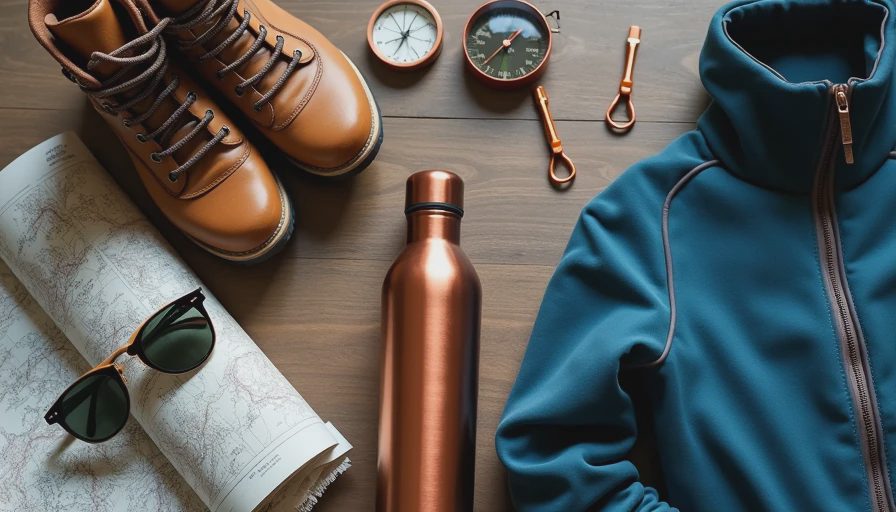
Every solid hiking outfit starts with three layers: base, mid, and shell. For women, the fit matters more than the fabric. A base layer that gaps at the lower back or bunches under a pack strap is a dealbreaker. My current favorite is the Smartwool Merino 250 Crew—it’s soft, odor-resistant, and has a longer hem that stays tucked. Over that, a grid fleece like the Patagonia R1 Air ($149) adds warmth without bulk. For a shell, I’ve had great luck with the Outdoor Research Helium Rain Jacket (about $150 on sale). The hood fits over a helmet or ponytail, and it stuffs into its own pocket. Total outfit: $350–400 retail, but you can find each piece secondhand on REI Used Gear or Poshmark for half that.
Bottoms: Pants vs. Leggings vs. Shorts
Let’s settle this. For most 3-season hiking in the western U.S., a good pair of trail pants beats leggings. Leggings are fine for short, dry day hikes, but they snag on brush, show dirt, and offer zero wind resistance. My top pick for pants is the Outdoor Research Ferrosi ($99)—they stretch, dry fast, have an integrated belt, and look like normal trousers. For warm-weather hikes, I switch to shorts: the Patagonia Nine Trails ($55) are lightweight, have zip pockets, and don’t ride up. If you prefer leggings for yoga-to-trail comfort, the Lululemon Wunder Train ($98) hold up well, but plan to replace them after a season of regular bushwhacking. The takeaway: legs get scraped, so choose durability over vanity.
Footwear: The Foundation of Any Hiking Outfit
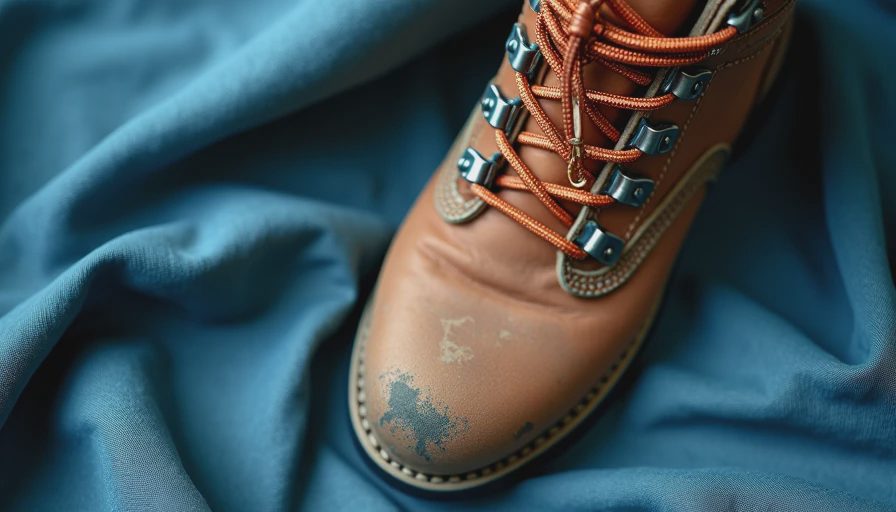
Boots or trail runners? I’ve worn both through thousands of miles, and 90% of the time I reach for trail runners—they’re lighter, dry faster, and let you feel the trail. My current pair is the Hoka Speedgoat 5 ($155), which have excellent grip on wet rock and enough cushion for 10+ mile days. For ankle support on rocky terrain, I add Dirty Girl gaiters ($24) to keep out debris. If you need ankle stability, go with a low-cut hiking boot like the Merrell Moab 3 ($130) or the Danner Trail 2650 ($170). Break them in properly: wear them around the house for a week before hitting the trail. Blisters are the enemy of any hiking adventure, and no fashion choice is worth torn heels.
Trail-to-Town Looks That Save Time
One of the best arguments for investing in hiking fashion for women is the ability to go from a ridge hike to dinner without changing. My go-to outfit: a merino base layer, a grid fleece, the Ferrosi pants, and trail runners. Swap the fleece for a clean cotton t-shirt (kept in the car) and add a denim jacket or cardigan over the shell—you’re instantly more “town” than “trail.” The pants pass for chinos at most casual spots, and the shoes get a pass if they’re not caked in mud. I keep a small towel and a pack of wipes in my trunk for a quick freshen-up. This system saves me at least 30 minutes on any adventure that ends at a brewery or restaurant.
Budget vs. Premium: Where to Spend and Where to Save
You don’t need $300 pants to look great on the trail. My biggest splurge is footwear—I pay full price for quality boots or runners because foot pain ruins everything. My biggest saver: outer layers. You can find a perfectly good rain jacket for $60–80 from Columbia or Marmot that does 90% of what a $400 Arc’teryx does. Same for fleeces: the $35 Amazon Essentials fleece is a surprisingly decent midlayer for mild conditions. Where I never skimp: socks. Darn Tough ($25) have a lifetime warranty, and I’ve had the same four pairs for three years. Socks make or break your hike. And zippered pockets? Non-negotiable. Nothing kills hiking style faster than chasing a phone down a ravine.
Conclusion
Hiking fashion for women isn’t about looking like a cover model on a granite peak. It’s about having gear that works in rain, mud, and sun, and that you’re happy to wear into town after the hike. My advice: start with good footwear and a smart layering system, then add pieces that match your personal style. Buy from companies that stand behind their products, and don’t be afraid to buy used. Rain, salt, and real mileage included.
No comments yet — be the first to share a thought.