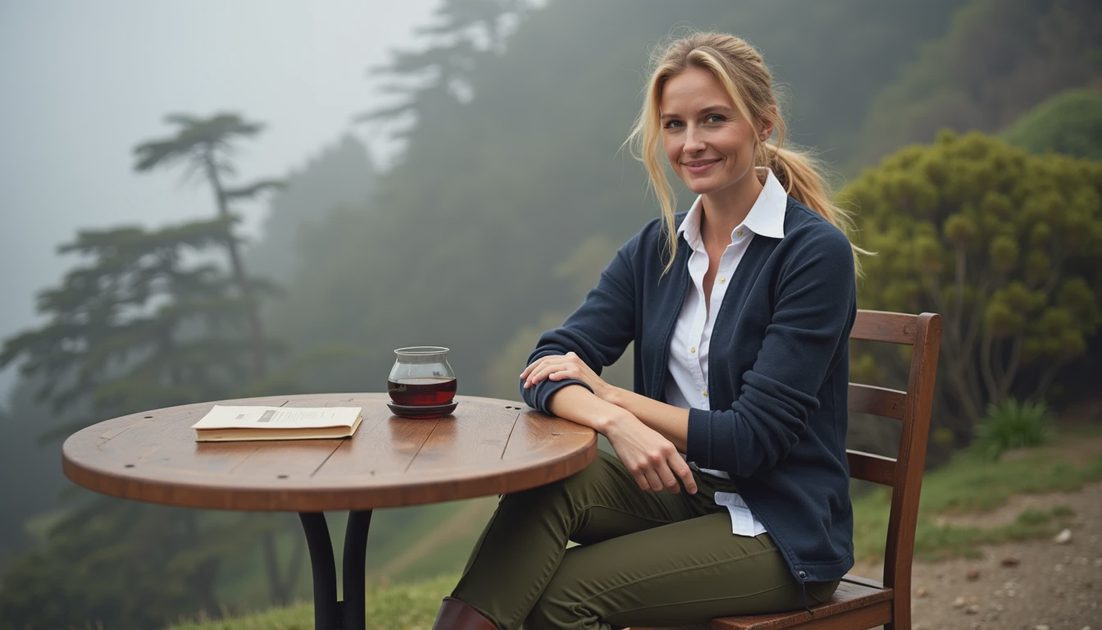
I was standing in line at a coffee shop in Half Moon Bay last fall when I caught my reflection in the window and thought: I look like I'm about to explain Leave No Trace principles to a group of eighth graders.
The pants were the problem. They were my REI Sahara zip-offs — functional, durable, perfectly fine on the trail. But paired with a technical fleece and trail runners, in a coffee shop at 10 a.m. on a Saturday, they made me look like I'd wandered away from a guided nature walk and couldn't find my way back.
I went home and changed. Then I spent the next six months figuring out how to wear hiking pants in real life without looking like a tour guide, a lost backpacker, or someone who thinks "technical fabric" is a personality trait.
Here's what I learned.
The Problem With Most Hiking Pants
Hiking pants are designed for one thing: function. They have articulated knees for scrambling. Gusseted crotches for high steps. Zip-off legs for temperature changes. Cargo pockets for maps and snacks. UPF ratings and DWR coatings and fabric that swishes when you walk.
All of this is excellent at 8,000 feet. None of it translates to a café, a brewery, or anywhere else where people are wearing jeans.
The visual tells of a hiking pant are:
Too many pockets. Cargo pockets, zip pockets, Velcro pockets. Every pocket adds visual bulk and screams "I need to carry things."
Technical fabric sheen. Nylon and polyester blends have a slight shine that reads as synthetic. Cotton reads as clothing.
Elastic waistbands with integrated belts. Functional. Also the defining feature of pants worn by people who are about to ask you if you've seen the trail marker.
Zip-off legs. The zipper at the knee is visible even when the legs are on. It's a design scar. Everyone can see it. Everyone knows those pants convert to shorts.
The goal isn't to stop wearing hiking pants. It's to find hiking pants that don't look like hiking pants — or to style the ones you have so the technical features fade into the background.
Rule 1: Buy Hiking Pants That Don't Look Like Hiking Pants
The easiest fix is to start with the right pants. Some hiking pants are designed to look technical. Others are designed to look like regular pants that happen to perform. Buy the second kind.
What to look for:
Matte fabric. Shiny nylon reads as gear. Matte nylon or polyester-cotton blends read as clothing. Hold the pants under a light before you buy them. If they reflect, put them back.
Minimal pockets. Two front pockets, two back pockets. That's it. No cargo pockets on the thighs. No zip pockets with contrast zippers. No Velcro flaps. Every pocket beyond the basic four makes the pants look more technical.
A regular waistband. Belt loops, a button, a zipper fly. Not an elastic waistband with an integrated belt. Not a drawstring. A waistband that looks like it belongs on a pair of chinos.
No zip-off legs. I know zip-offs are convenient. They're also the single most recognizable feature of a hiking pant. If you want to wear your pants in town, buy two separate pairs — pants and shorts — instead of one pair that does both badly.
Colors that exist in real clothing. Olive, khaki, charcoal, navy, black. Not "paprika," not "mineral red," not whatever REI named that orange. Earth tones that could plausibly be chinos.
Three Pants That Get This Right:
Fjällräven Keb Trousers ($200). These are the pants I wear most often off-trail. The G-1000 fabric is a poly-cotton blend with a matte finish that reads as canvas. The cut is slim through the thigh with a slightly tapered leg. The pockets are integrated cleanly into the seams. From six feet away, they look like sturdy work pants. The only tell is the vent zips on the thighs, which are hidden behind flaps. I've worn these to dinners, meetings, and one wedding rehearsal dinner where nobody knew they were hiking pants until I told them.
Prana Brion Pant ($89). A slimmer, simpler alternative. The Brion is Prana's "everyday" version of the Stretch Zion — same fabric, but with five-pocket styling (like jeans), a clean waistband, and no cargo pockets. The fabric has a slight sheen, so stick to darker colors. In charcoal or black, they pass as slim-fit chinos.
Kühl Renegade Kliffside Pant ($99). A newer option with a tapered fit and a fabric that looks closer to cotton twill than technical nylon. The pockets are minimal, the waistband is conventional, and the cut is modern without being tight. Available in muted colors that work in non-technical settings.
Budget pick: Wrangler ATG Synthetic Utility Pant ($30). Five-pocket styling, matte fabric, stretch, and a price that makes mistakes affordable. The fit runs slightly relaxed. Size down if you want a slimmer silhouette.
Rule 2: Hide the Tells
If you already own technical hiking pants and don't want to replace them, you can still make them work. The strategy is to hide or distract from the features that read as "outdoor gear."
Cover the waistband. Integrated belts and elastic waistbands are the biggest tell. Tuck your base layer in so it covers the waistband entirely. Add a leather belt over the integrated one — it sounds absurd, but the leather belt is what people see, and it signals "regular pants." A shirt or sweater that falls to the hip also covers the waistband.
Roll the cuffs once. Many hiking pants have a slight boot-cut or straight leg opening. A single cuff roll — about an inch, neat, not messy — does two things: it visually shortens the leg to a modern length, and it signals intentionality. Rolled cuffs read as style. Unrolled technical cuffs read as "I didn't think about this."
Avoid the zip-off zipper line. If your pants have zip-off legs, the zipper is visible. Wear longer tops that cover the knee area, or choose darker colors where the zipper is less obvious. When the legs are zipped on, make sure the zipper is fully closed — a small gap draws the eye directly to the feature you're trying to hide.
Swap the footwear. Trail runners with hiking pants = you just finished a hike. Chukka boots, Blundstones, clean white sneakers, or leather boots with hiking pants = you're wearing interesting pants. The footwear is what tells the viewer how to interpret the pants. Technical shoes pull hiking pants toward "trail." Non-technical shoes pull them toward "style."
Rule 3: The Top Does the Heavy Lifting
The single most effective way to dress down hiking pants is to pair them with a top that is definitively not technical.
What works:
A merino crewneck sweater. Merino is technical, but a well-cut crewneck in charcoal or navy reads as "smart casual" — especially with a collared shirt underneath. The sweater hides the waistband, the fabric looks like regular wool, and the silhouette is classic.
A cotton or linen button-down. This is the nuclear option for de-technifying hiking pants. A white Oxford shirt, a chambray work shirt, or a relaxed linen button-down (untucked, sleeves rolled) instantly recontextualizes the pants. The contrast between "this shirt is clearly not for hiking" and "those pants might be" creates an intentional look rather than an accidental one.
A waxed cotton jacket. My answer to many Trail Style questions. A Barbour or similar waxed jacket over a merino base layer and hiking pants looks cohesive — like you're dressed for a coastal walk, not a summit bid. The waxed cotton texture pairs well with matte hiking fabrics.
A simple hoodie. Not a technical fleece with a grid pattern and a chest zip. A plain cotton or cotton-blend hoodie with no logos, no zippers, no drawcord details. The simpler the hoodie, the more it pulls the pants toward "weekend casual."
What doesn't work:
A technical fleece with visible features. Grid fleece, contrast zippers, thumb loops, chest pockets with cord ports. Pairing technical fleece with hiking pants is what creates the guided-tour look. One technical piece can work. Two reads as a uniform.
A performance sun hoody. Sun hoodies are great on the trail. They look like athletic wear in town. If you're wearing one with hiking pants, you look like you're about to go trail running. Which is fine, if you are.
Rule 4: Three Outfit Formulas I Actually Wear
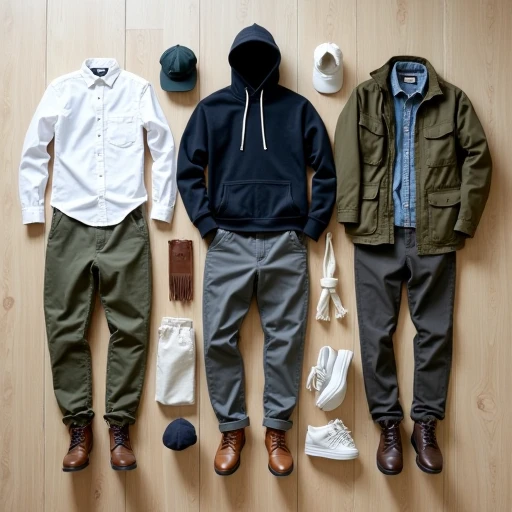
Here's how I wear hiking pants in real life, with specific combinations that have survived coffee shops, breweries, casual dinners, and one unexpectedly formal work event.
Formula 1: The Coastal Saturday
Pants: Fjällräven Keb (olive)
Top: White cotton button-down, untucked, sleeves rolled twice
Over: Navy merino crewneck sweater, sleeves pushed up
Feet: Blundstone Chelsea boots (rustic brown)
Accessories: Leather belt, linen scarf at the neck if windy
Why it works: The Fjällräven Kebs read as olive canvas pants. The white button-down and merino sweater combination is classic — it would work with jeans or chinos. The Blundstones bridge the gap between trail and town. The scarf adds intentionality without adding technical features. This is what I wear when I'm hiking in the morning and meeting someone for lunch.
Formula 2: The Errand Day
Pants: Prana Brion (charcoal)
Top: Plain black cotton hoodie, no logos
Feet: Clean white leather sneakers
Accessories: Canvas tote bag, not a daypack
Why it works: The charcoal Brions read as slim chinos. The black hoodie is anonymous. The white sneakers are the universal signal of "I'm not hiking right now." The tote bag instead of a backpack is a small detail that changes the whole silhouette. This is what I wear to the farmers' market, the hardware store, the coffee shop.
Formula 3: The "I Have a Meeting But Might Go Outside After"
Pants: Kühl Renegade Kliffside (dark khaki)
Top: Chambray work shirt, buttoned but untucked
Over: Waxed cotton jacket (Barbour Beadnell, olive)
Feet: Leather chukka boots
Accessories: Simple watch, no other technical items visible
Why it works: The chambray shirt and waxed jacket are both outdoor-adjacent — they're worn by people who work outside — but they're not technical. The combination reads as "ranch owner" or "landscape architect," not "PCT thru-hiker." The dark khaki pants blend into the palette. This is the formula that survived the wedding rehearsal dinner.
What to Avoid: The Four Deadly Sins
After six months of paying attention to my own mistakes, here are the things that reliably make hiking pants look like hiking pants.
Sin 1: The Full Kit. Hiking pants + technical fleece + trail runners + daypack + sun hoody + trucker hat. Every piece is fine individually. Together, you look like you're about to lead a group hike. Break up the uniform. One technical piece per outfit.
Sin 2: The Stuff-on-the-Outside. Carabiners clipped to belt loops. Sunglasses hanging from a croakie. A hydration bladder tube peeking out of your daypack. These are all signals that say "I'm on a trail right now." Take them off when you're not.
Sin 3: The Too-Baggy or Too-Tight Fit. Hiking pants that are too baggy look like you borrowed them from a ranger station. Hiking pants that are too tight look like you're wearing climbing pants. A straight or slim-straight cut with a slight taper is the silhouette that passes as regular pants.
Sin 4: The Zip-Offs in Town. I know I already said this. I'm saying it again because it matters: when zip-off legs are zipped on, the zipper is visible. Everyone can see it. Everyone is imagining those pants as shorts. In town, wear pants that are only pants. Save the zip-offs for trailheads where you're actually debating the temperature.
The Bottom Line
Hiking pants are too comfortable to save for the trail. With the right pair and the right styling, they pass as regular pants that happen to stretch, breathe, and survive light rain. The trick isn't hiding what they are. It's making them part of an outfit where their technical features aren't the loudest thing in the room.
Buy hiking pants that don't look like hiking pants. Pair them with tops that are definitively non-technical. Choose footwear that signals "I'm in town" rather than "I just parked at the trailhead." Roll the cuffs. Wear a belt. Leave the carabiners at home.
Gear up. Get out. (And change nothing except your shoes when you get to the brewery.)
No comments yet — be the first to share a thought.