I’ve spent more mornings than I can count standing in front of my closet, staring at a pile of technical gear that screams “I’m about to summit something” when all I’m doing is a foggy coastal loop and a brewery stop after. That’s where a well-edited casual hiking outfit comes in. It’s the sweet spot between function and looking like a normal human. Over the last year, I’ve tested layers, pants, and shoes up and down the California coast and into the Sierra—rain, salt, and real mileage included. Here’s what actually works.
Why Your Current Outfit Might Be Overkill
Most “hiking outfits” you see online are either full-on mountaineering cosplay or flimsy athleisure that falls apart after one wet bushwhack. A true casual hiking outfit should handle a 6-mile trail run, a sudden fog bank, and a patio lunch without making you feel overdressed or underprepared. I used to wear my old climbing pants everywhere—they were tough, but stiff and loud. Swapping to a more balanced kit changed everything. The key is picking pieces that perform on trail but don’t scream “technical gear” when you stop for coffee.
Key Pieces for a Casual Hiking Outfit
1. The Pants: Comfort as a Priority
I’ve gone through a half-dozen hiking pants, and the ones that stick around are the ones I forget I’m wearing. For a casual hiking outfit, look for a straight or slim-straight cut in a stretch woven fabric (think nylon-spandex blends). My current favorites are the REI Co-op Trailmade pants ($79)—they breathe well, shed light rain, and have a clean enough look for town. The Prana Stretch Zion are a classic, but they’re heavy and baggy; I prefer the Brion for a slimmer fit. Avoid cargo pockets with too many flaps—they catch on branches and look bulky.
2. The Top: Base Layer + Sweater
Layering is where casual meets capable. Start with a merino wool or synthetic tee—I lean toward the Patagonia Capilene Cool Daily (or the cheaper REI Co-op Midweight) for odor resistance and quick drying. Over that, a grid fleece or a lightweight sweater. The Ridge Merino Aspect hoodie is my go-to for foggy mornings: it’s soft, breathable, and looks fine on its own. For wind protection, pack a Houdini-style jacket that stuffs into its own pocket.
3. The Shoes: Trail Runners, Not Boots
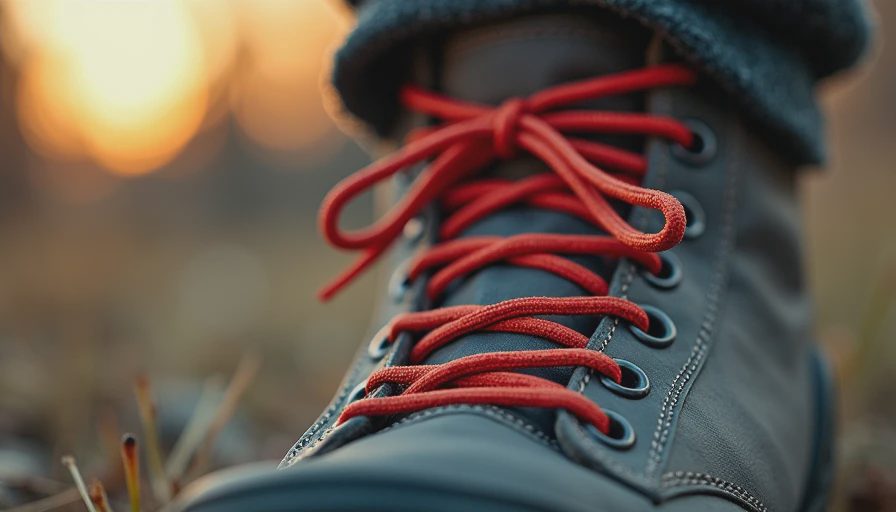
Unless you’re carrying heavy loads or need ankle support for talus, trail runners are the move for a casual hiking outfit. They’re lighter, more comfortable, and dry faster. I’ve been testing the Hoka Speedgoat 5 (grippy, cushioned) and the Topo Pursuit (more ground feel). Both transition well to pavement. For wet conditions, consider a waterproof model like the Salomon X Ultra 4 GTX, but know they’ll retain water when flooded.
Layering for Coastal Fog and Sierra Sun
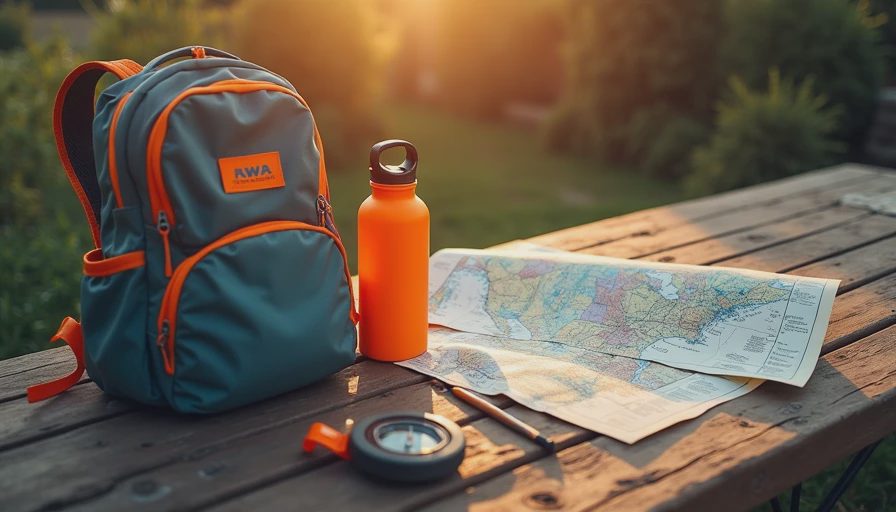
The California coast loves to throw fog, wind, and sunny patches in a single afternoon. A good casual hiking outfit handles that without a full pack change. My standard combo: merino tee + grid fleece + windshell. The fleece adds warmth when the fog rolls in, and the windshell blocks the breeze without overheating. If the sun comes out, the fleece goes in the pack. For rain, swap the windshell for a waterproof shell (I use the Outdoor Research Helium Rain jacket—light, packable, not too crinkly). The key is that each layer can stand alone fashion-wise.
Trail-to-Town Styling: Avoiding the “Over-Geared Tourist” Look
Nothing kills a post-hike beer vibe like looking like you just walked off a Everest expedition. A casual hiking outfit should pass the brewery test. That means neutral colors (olive, navy, charcoal, earth tones), clean lines, and minimal brand logos. Dark pants hide dirt, a plain hoodie reads as normal, and trail runners like the Allbirds Trail Runner SWT look more like sneakers than technical shoes. I’ve worn my Trailmade pants to work meetings (with a button-down) and no one guessed they were hiking pants.
Budget Options That Don’t Suck
You don’t need $500 to nail a casual hiking outfit. The Columbia Silver Ridge convertible pants ($60) work well and have a slimmer cut now. For tops, the Uniqlo Airism tee ($15) and a thrift-store fleece ($20) match the best of Patagonia for half the cost. Shoes: the Merrell Moab Speed 2 ($130) offer great value and comfort. I’ve put 200 miles on a pair of $40 Decathlon hiking pants—they faded quickly but held up structurally. The lesson: spend on shoes and socks, save on shirts and pants.
What Failed First
In testing, the biggest disappointments were pants that lacked stretch (jeans—don’t do it) and fleeces that pilled after one wash (budget Amazon brands). Also, “waterproof” breathable jackets that turned into saunas. For a casual hiking outfit, breathability trumps waterproofing unless you live in a rainforest. The Arcteryx Norvan insulated jacket looked great but was too warm for active wear—it got demoted to town-only use.
Final Thoughts
Building a casual hiking outfit isn’t about buying the most expensive gear. It’s about choosing pieces that work across environments—trail, fog, sun, brewery. Start with a good pair of pants, a merino base, a versatile fleece, and trail runners that don’t look like clown shoes. Test them in rain and salt and real mileage. Then decide if they’re worth keeping. I’d buy my current setup again tomorrow: REI Trailmade pants, Ridge Merino hoodie, and Hoka Speedgoat 5s. Simple, functional, and I don’t look like I’m about to film a REI commercial.

No comments yet — be the first to share a thought.