Why Every Hiker Needs a Lightweight Puffer Jacket in Their Pack
I remember the first time I stuffed a lightweight puffer jacket into my pack before a November hike in the Sierra. I was skeptical—how could something that feels like a cloud keep me warm when the wind picks up above treeline? But after a season of foggy Half Moon Bay mornings, wet dog walks, and a few surprise snow flurries on the Pacific Crest Trail, I’ve become a convert. A good lightweight puffer jacket is the one layer I reach for more than any other. It’s not just about warmth; it’s about versatility, packability, and the kind of comfort that makes you forget you’re wearing it.
Over the past year, I’ve put several lightweight puffer jackets through real conditions: coastal drizzle, granite boulders, campfire embers, and the inevitable mud puddle. Here’s what I learned about choosing, layering, and actually trusting a jacket that weighs almost nothing.
What I Look for in a Lightweight Puffer Jacket
Before I buy any lightweight puffer jacket, I check three things: down vs. synthetic fill, fabric durability, and packability. Down offers the best warmth-to-weight ratio, but it’s useless when wet. Synthetic insulation like PrimaLoft or ThermoBall works in damp conditions but is heavier. For a coastal hiker like me, synthetic usually wins—unless I know the trip will be dry and cold. The fabric matters too. A 10-denier shell might feel silky, but it’ll tear on the first branch. I look for at least 20-denier ripstop, preferably with a durable water repellent (DWR) finish. And packability? A true lightweight puffer jacket should stuff into its own pocket or a tiny cube. If it takes up more space than a water bottle, it’s not earning its place in my pack.
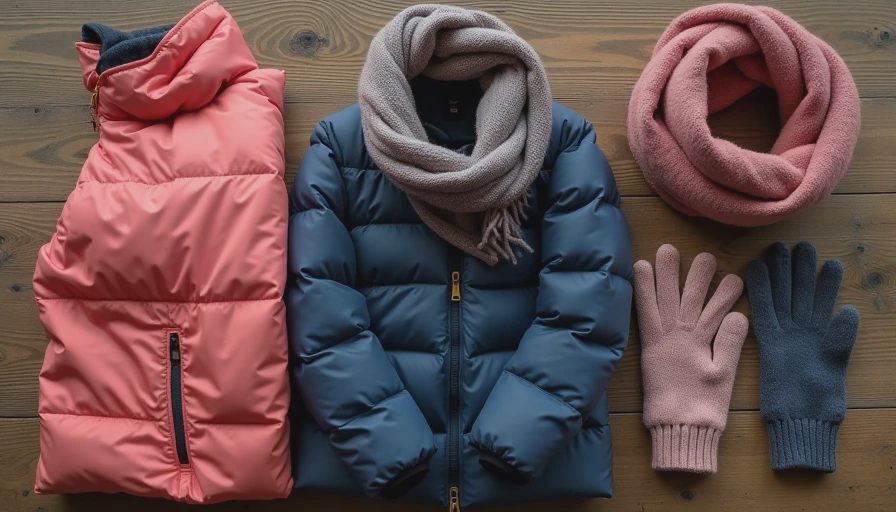
Over the years, I’ve learned that a cheap lightweight puffer jacket often sacrifices warmth for weight savings. The fill power—measured in cubic inches per ounce—tells you how lofty the down is. For a jacket that doubles as a camp layer and an emergency insulator, I aim for 700-fill or higher. But synthetic options like the Patagonia Nano Puff and the Arc’teryx Atom LT hold up better in the wet coastal air I deal with daily. The key is matching the insulation type to your climate.
Three Lightweight Puffer Jackets I Put Through Real Miles
I’ve tested three models extensively: the Patagonia Down Sweater, the Mountain Hardwear Ghost Whisperer, and the REI Co-op 650 Down Jacket 2.0. Each represents a different price point and trade-off.
Patagonia Down Sweater – At 12.5 ounces with 800-fill down, it’s a classic. The shell is 22-denier ripstop with a DWR coating. I wore it on a rainy trail run in the Marin Headlands, and it kept me warm even when the drizzle turned to steady rain. But after a few hours, the shoulders soaked through where my pack straps pressed. Not a dealbreaker, but I now carry a shell over it in wet conditions. Retails around $229.
Mountain Hardwear Ghost Whisperer – This is the gold standard for ultralight. At 7.9 ounces, it’s barely there. The 10-denier fabric is whisper-thin, so I’m careful around camp stoves and sharp rocks. I used it as a belay jacket on a Joshua Tree climbing trip, and it packed down to the size of a fist. But durability is a concern—one snag on a cactus could ruin it. $325 is steep for something that fragile.
REI Co-op 650 Down Jacket 2.0 – This is my budget pick at $99. It uses 650-fill down but with a thicker 20-denier shell. It’s heavier at 16 ounces, but it’s bombproof. I’ve worn it scrambling over talus in the Trinity Alps, and it has zero tears. The warmth is enough for most three-season use. For the price, it’s the best value lightweight puffer jacket I’ve tested.
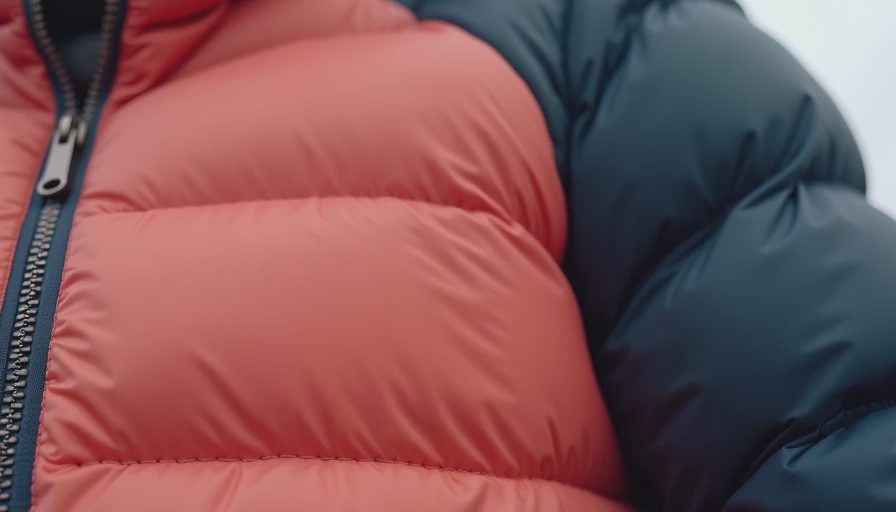
How to Layer a Lightweight Puffer Jacket for Maximum Warmth
A lightweight puffer jacket shines when you layer it correctly. On a typical Sierra outing, I start with a merino baselayer, add a thin fleece, and then the puffer. If it’s windy or precipitating, I top it with a breathable shell like the Outdoor Research Helium. This system works from freezing mornings to breezy afternoons. The trick is not to overdress—a puffer under a shell traps so much heat that you’ll sweat if you’re moving. I unzip the puffer or remove it entirely during active sections, then throw it back on at breaks. For coastal fog walks, I often skip the fleece and wear just the puffer over a long-sleeve shirt. It’s light enough to stay comfortable without overheating.
The One Thing That Surprised Me About Lightweight Puffer Jackets
I expected down jackets to be fragile, but what surprised me most was how synthetic fills have improved. The Arc’teryx Atom LT (synthetic) has been through two seasons of dog walks, brewery patios, and occasional bushwhacking, and it still looks new. It doesn’t compress as well as down, but it dries fast after a rain shower. Meanwhile, my down jackets need careful storage and occasional washing with special soap. If you’re rough on gear, synthetic might be smarter. But if you prioritize pack weight, stick with down and accept the fragility.
Final Thoughts: Is a Lightweight Puffer Jacket Worth the Investment?
Absolutely. A quality lightweight puffer jacket is the most versatile piece in my outdoor wardrobe. It’s my go-to for everything from summit bids to grocery runs. The key is knowing where you’ll use it. Wet and wild? Go synthetic. Dry and cold? Down wins. And don’t feel pressured to spend $300—the REI 650 Down has proven that a budget lightweight puffer jacket can handle real mileage. Rain, salt, and real mileage included—that’s the promise I look for, and these jackets deliver.


No comments yet — be the first to share a thought.