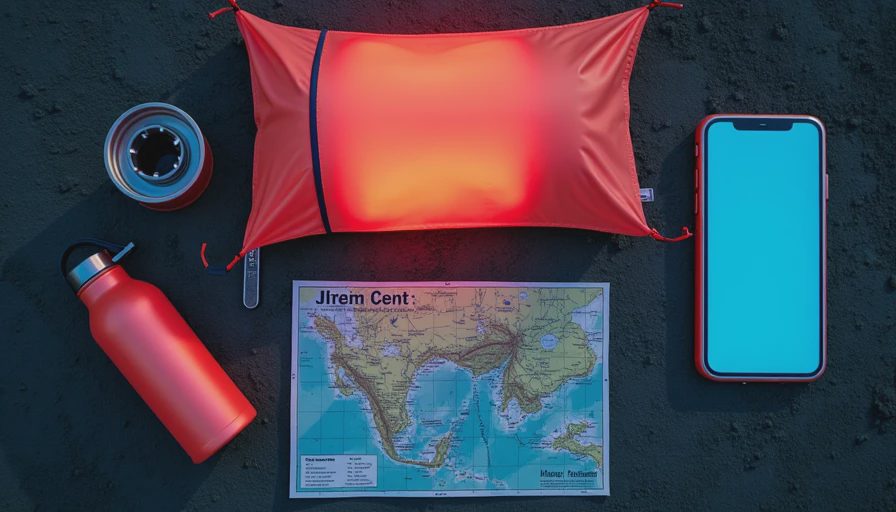
I’ve been obsessed with **ultralight backpacking** for the last three seasons, ever I finished a soggy section of the PCT near Sonora Pass. My pack weighed 38 pounds—including a cast-iron skillet I’ll never forgive myself for—and I swore there had to be a better way. Since then, I’ve shaved my base weight down to under 10 pounds, tested gear in everything from Sierra thunderstorms to coastal fog, and learned that ultralight isn’t just about ounces—it’s about sanity. This is what real, tested ultralight backpacking looks like when the trail gets rough.
The Weight Game: What Ultralight Backpacking Actually Means
For me, ultralight backpacking isn’t a sacrifice fest—it’s optimization. A sub-10-pound base weight lets me move faster, stay less sore, and enjoy camp more because I’m not wrecked from hauling a tank. The philosophy is simple: bring only what you’ll use every day, and make each item earn its place. That means ditching the extra shirt, swapping a heavy tent for a trekking-pole shelter, and cutting your toothbrush in half. I started by weighing every single item on a kitchen scale—it’s humbling. The biggest wins came from swapping my 3-pound sleeping bag for a 15-degree quilt (saved 1.5 lbs) and switching to a DCF tarp instead of a freestanding tent. **Ultralight backpacking** forces you to think about every gram, but it also frees you to cover more ground with less fatigue. I’ve done 20-mile days I never could have managed with a conventional pack.
Essential Gear I Swear By for Ultralight Backpacking
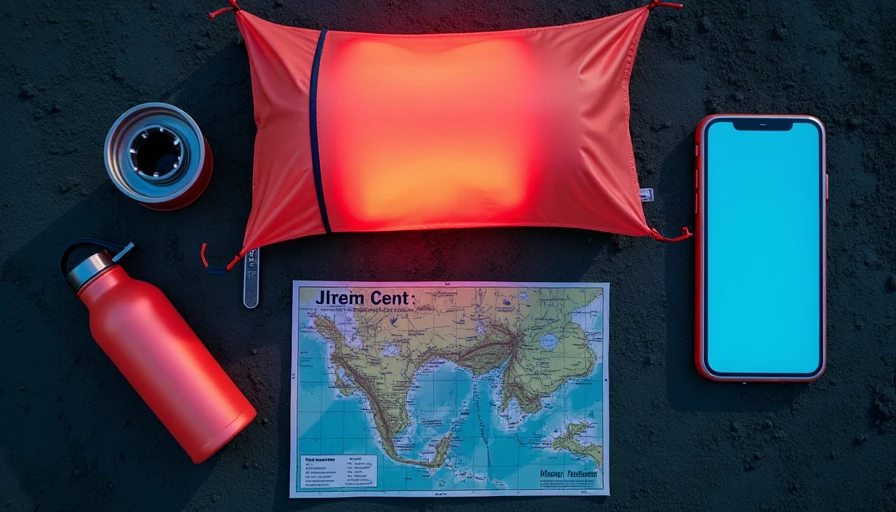
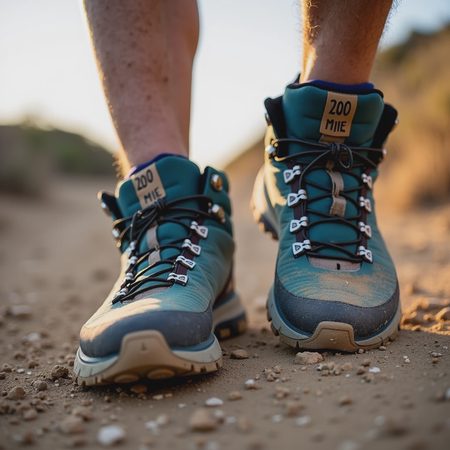
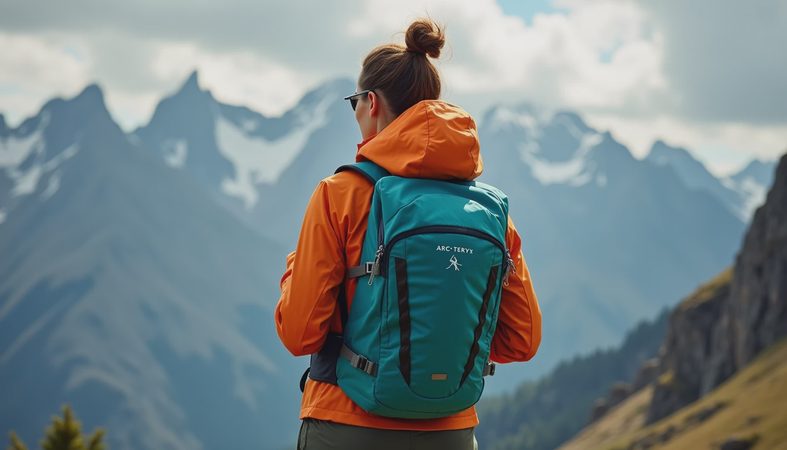
I’ve burned through a lot of gear trying to find the right balance. For ultralight backpacking, my current kit is a mix of high-end and practical: a Palante Joey pack (16 oz), a Borah Gear DCF tarp (7 oz with stakes), an Enlightened Equipment Revelation quilt (20 oz), and a Katadyn BeFree filter (2 oz). For sleep, I use a Therm-a-Rest Uberlite (8 oz) and a DIY foam pad sit-light. Clothing is minimal: a Patagonia Capilene Cool hoody, a wind shirt, a rain jacket, and a down puffy for camp. I wear trail runners (Altra Lone Peaks) with socks I change daily. The key? I test everything in local coastal fog and Sierra granite before trusting it on a long trip. **Ultralight backpacking** requires that you know your gear inside out—if a zipper fails or a seam leaks, you have no backup. That’s why I always carry a small repair kit: tape, needle, thread, and a tiny pot of seam grip.
The Cost of Going Ultralight: Where to Spend and Where to Save
Let’s be honest: ultralight backpacking can get expensive fast. A DCF shelter runs $400–600, and a Gossamer Gear or Zpacks pack can set you back another $300. But not everything has to cost a fortune. I saved money by using a cheap 3/8-inch foam pad ($20) instead of an inflatable, and my alcohol stove (homemade from a cat food can) cost nothing. **Ultralight backpacking** doesn’t require top-tier gear from day one—start by using what you have and gradually replace heavy items. My biggest splurge was the quilt, and it’s worth every penny because sleep quality matters when you’re covering miles. Rain, salt, and real mileage included: I’ve had gear fail from cheap zippers and fragile DCF, so I prioritize durability over extreme weight savings. A 12-pound base weight is often more practical than a 7-pound one if it means your shelter won’t rip in the wind.
Common Ultralight Backpacking Mistakes I Made (So You Don’t Have To)
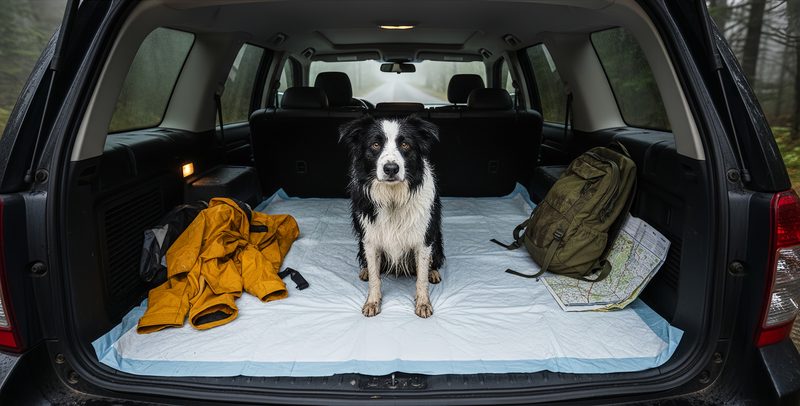
I’ve made plenty of mistakes in my ultralight backpacking journey. First, I brought too little water capacity—one liter on an exposed ridge in the Sierra during a heatwave taught me that. Now I carry two Smartwater bottles plus a collapsible bag. Second, I ignored sleep insulation: a 40-degree quilt in a 30-degree night near Mount Whitney was a long, shivering lesson. **Ultralight backpacking** requires constant weather judgment. Third, I forgot that ultralight means less padding—your body takes more impact from rocky ground, so choose campsites carefully and use trekking poles to save your knees. Finally, don’t go so minimal that you skip safety items like a sat beacon or repair gear. I’ve seen hikers forced to bail because they couldn’t fix a torn pack or a snapped pole. Would I buy it again? Yes—but only the gear that survived my local coastal torture tests. If it can handle fog, salt, and dog slobber on Half Moon Bay’s trails, it’s ready for the backcountry.
Ultralight backpacking changed how I experience the outdoors. I move lighter, see more, and spend less time wrestling with my pack. Start small, test everything, and don’t let gear marketing drive your decisions. Rain, salt, and real mileage included—that’s the only test that matters.
No comments yet — be the first to share a thought.