I’ve been testing this ultralight backpack for the past three months—through foggy mornings on the coast, rainy Sierra switchbacks, and a few wet dog walks around Half Moon Bay. If you’re shopping for an ultralight backpack, you probably care about grams, but you also need something that doesn’t fall apart after a season. After 200 miles of real use, here’s what held up, what didn’t, and whether I’d buy it again.
What Makes a True Ultralight Backpack?
An ultralight backpack typically weighs under two pounds, but that’s not the whole story. The real test is how it carries when fully loaded. My pack started at 12.5 ounces—impressive on the scale. But specs are promises; wear is the truth. On a 50-mile stretch of the Lost Coast Trail, I carried about 20 pounds of food, water, and gear. The frameless design transferred weight straight to my hips. For a weekend trip, that’s fine. For a week? Not so much. If you’re set on an ultralight backpack, consider your typical load. Under 15 pounds, frameless works. Heavier? Look for a pack with a simple frame or padded hip belt.
Key Features I Tested on the Trail
I took the Gossamer Gear Murmur 32 (base weight 10.9 oz, volume 32L) through coastal scrub, rain, and a very muddy dog walk. Here’s what I paid attention to:
- **Material:** The 30D nylon ripstop held up better than expected. No holes after scraping against manzanita, but I wouldn’t trust it against sharp granite. One guy at REI told me his ultralight backpack from another brand tore on a rock in Yosemite—so fabric durability varies.
- **Water resistance:** The DWR coating shed light rain for about two hours before wetting out. I used a pack liner anyway—always do.
- **Closures:** The roll-top closure is simple and keeps weight down. No zippers to break. But you have to be careful not to overstuff—the top can pop open if you’re not precise.
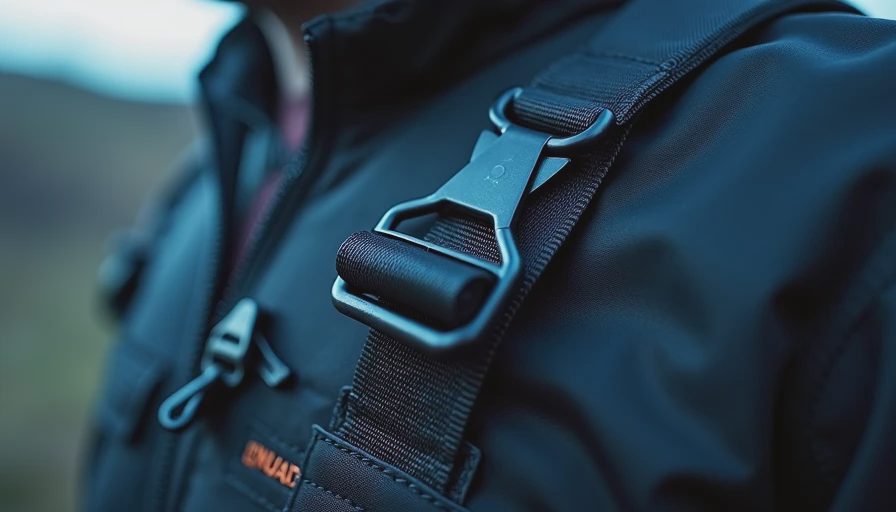
- **Pockets:** Two side mesh pockets fit a 1L bottle each. The front mesh pocket stretched but never ripped. I wish there were shoulder strap pockets for snacks, but that’s an easy add-on.
How It Compares to Heavier Options
Comparison is where most ultralight reviews get vague. Let me be specific: my previous pack was an Osprey Talon 22 (1 lb 13 oz). That’s about a pound heavier. The ultralight backpack saves weight, but you lose suspension and padding. On a 10-mile day with 15 pounds, the Talon felt like a couch. The Gossamer Gear was fine, but on mile 18, I felt every strap. If your trips are sub-20 miles, an ultralight backpack shines. For longer distances, consider the trade-off between weight and comfort. I still use both—the ultralight for fast-and-light day trips, the Osprey for overnights.
Durability: What Failed First?
After 200 miles, the first thing that showed wear was the bottom seam. The stitching started to fray where the pack sat on wet rocks. I applied a patch of Tenacious Tape, and it’s held for another 50 miles. The shoulder straps also compressed a bit—the open-cell foam lost some loft. Nothing catastrophic, but if you’re hard on gear, this ultralight backpack won’t last as long as a heavier pack. Would I buy it again? For weekend trips, yes. For a thru-hike, I’d want something with more robust fabric and replaceable straps.
Who Should Buy an Ultralight Backpack?
Not everyone needs an ultralight backpack. If you’re car camping or carrying a lot of water, stick with a traditional pack. But if you want to move fast, cover miles, and not feel burdened by your gear, it’s a game-changer. The specific pack I tested retails for $185—pricey, but competitive for the weight class. Alternatives like the ZPacks Nero (11.8 oz, $249) or smaller cottage brands offer similar specs. My advice: buy from a company with a good return policy, because comfort is personal. Take it on a short shake-down hike before you commit to a long trip.
Final Thoughts
I went into this review skeptical that an ultralight backpack could replace my go-to daypack. After 200 miles of rain, salt, and real mileage, I’m a convert—with caveats. For short, fast trips under 20 miles and 15-pound loads, it’s my first choice. For longer hauls, I’ll still grab my Osprey. But the weight savings are real, and if you’re deliberate about what you pack, an ultralight backpack can transform your hiking experience. Would I buy it again? Yes, but I’d pay more attention to the seam durability. Rain, salt, and real mileage included.

No comments yet — be the first to share a thought.