If you're new to backpacking and the idea of carrying a massive pack makes you cringe, this ultralight backpacking gear list for beginners is where you start. I've put together a field-tested kit that keeps your base weight under 10 pounds without breaking the bank. Rain, salt, and real mileage included — no fluff, just what works.
Why Go Ultralight?
The biggest mistake new backpackers make is packing too much. Heavier packs mean slower miles, sore shoulders, and less enjoyment. Ultralight isn't about suffering — it's about carrying only what you'll actually use. For a weekend trip, most people don't need three pairs of pants or a full camp chair. Shaving weight starts with your big three: backpack, shelter, and sleep system.
The Big Three: Pack, Shelter, Sleep System
**Backpack:** Look for a frameless or minimal frame pack around 40-50 liters. The Gossamer Gear Gorilla 50 or the Zpacks Arc Haul Ultra are popular choices. I use the REI Co-op Flash 55 for its balance of comfort and weight (under 2.5 lbs). Budget alternative: Granite Gear Crown2 60 (around 2.5 lbs).
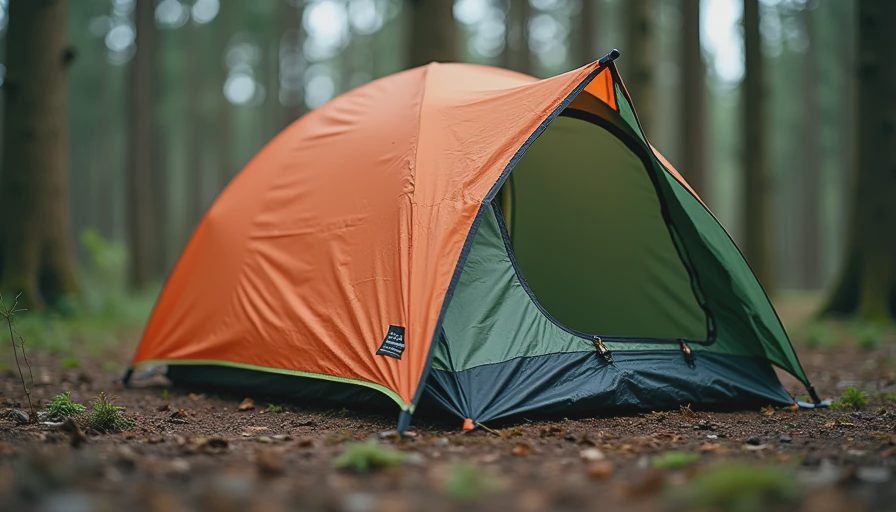
**Shelter:** A trekking pole tent is your lightest option. The Zpacks Duplex (21 oz) is a gold standard, but for beginners, the Six Moon Designs Lunar Solo (26 oz) hits a sweet spot of weight and cost. If you want even simpler, try a flat tarp and bug net — the Borah Gear Ultralight Tarp (7 oz) paired with their bug bivy (6 oz) gives you a 13-oz shelter system.
**Sleep System:** Your sleeping bag and pad together should weigh under 3 pounds. For insulation, consider the Enlightened Equipment Revelation quilt (20°F, around 20 oz) or the Hammock Gear Economy Burrow (20 oz). For a pad, the Therm-a-Rest NeoAir XLite (12 oz) is the standard. Budget option: Nemo Tensor Alpine (16 oz) at a lower price.
Kitchen and Hydration
**Cookware:** A super lightweight stove like the BRS-3000T (25 g) + a 550 ml titanium pot (3 oz) = under 5 oz total. If you need a larger pot, Toaks makes a 750 ml version. **Fuel:** Use isobutane canisters and don't pack extra fuel — one small canister lasts a weekend.
**Water treatment:** Skip heavy pumps. The Sawyer Squeeze (3 oz) or BeFree (2 oz) are fast and reliable. Pair with a 1-liter Smartwater bottle (1 oz) and a CNOC Vecto dirty bag (2.5 oz).
Clothing and Layering
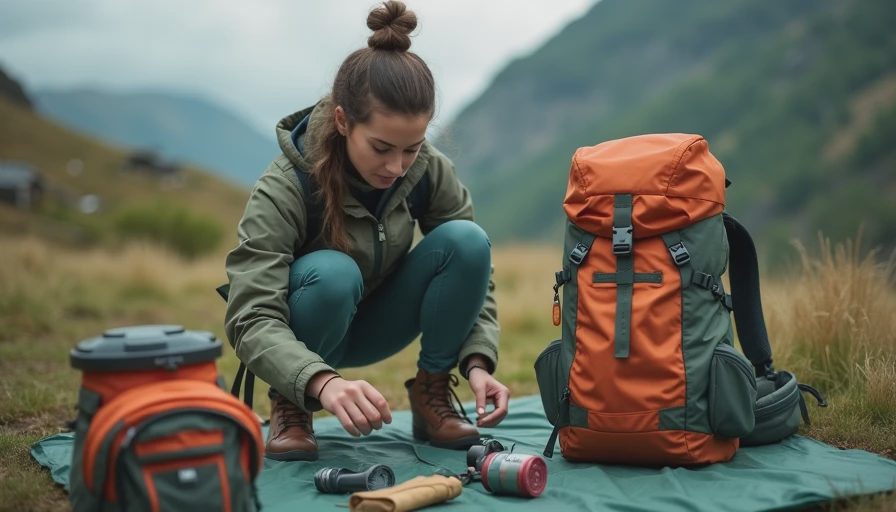
This ultralight backpacking gear list for beginners keeps clothing to a minimum: one hiking outfit worn, one sleep layer in pack. Worn: synthetic or wool tee, shorts or pants, trail runners, socks, hat. In pack: an insulating puffy (e.g., Patagonia Micro Puff Hoody, 9 oz), a rain jacket (Outdoor Research Helium, 6 oz), and a base layer top for sleep. No extra shoes, no extra pants. If rain is likely, add wind pants (3 oz).
Miscellaneous Essentials
**First aid:** Tiny kit: a few bandaids, leukotape for blisters, ibuprofen, antiseptic wipes. **Light:** Nitecore NU25 headlamp (1.2 oz) with shock cord headband. **Navigation:** Download maps on your phone (Gaia or AllTrails) and bring a lightweight compass. **Pack repair:** Small patch kit for your pad/tent.
Sample Lightweight Gear List
Here's a rough base weight breakdown for a three-season overnight trip:
- Pack: 2 lbs
- Shelter (tent + stakes): 1.5 lbs
- Sleep quilt: 1.5 lbs
- Sleep pad: 0.75 lbs
- Cook kit (stove + pot + spoon): 0.3 lbs
- Water filter: 0.2 lbs
- Headlamp: 0.1 lbs
- First aid: 0.1 lbs
- Puffy jacket: 0.6 lbs
- Rain jacket: 0.4 lbs
- Miscellaneous (duct tape, battery bank): 0.5 lbs
Total base weight: ~8 lbs. Add food and water (about 2 lbs per day) and your total pack weight should stay under 20 lbs for a weekend.
Common Beginner Mistakes to Avoid
Many first-time ultralight backpackers stumble on the same issues. Overpacking clothing tops the list: you really only need what you're wearing plus one sleep layer and a puffy. Another frequent error is failing to reduce pack weight before optimizing your shelter. Some beginners buy a 3-pound backpack before they've swapped out a 4-pound tent. Remember the order: shelter and sleep system give the biggest weight savings. Water is another trap — carrying a full 3-liter reservoir instead of a lightweight filter and Smartwater bottle adds over 3 pounds. Test your gear before a real trip; backyard camping reveals problems without penalty. Finally, check the forecast and pack accordingly — no need for a heavy rain jacket if none is predicted. This ultralight backpacking gear list for beginners is designed to help you sidestep these mistakes from day one. Focus on a sub-10-pound base weight and your first trips will be comfortable and fun.
Final Thoughts
If this ultralight backpacking gear list for beginners feels sparse, good. Every ounce counts. Before you buy, test your kit in a backyard or on a short hike. Swap out what doesn't work. And remember: the best gear is the gear you'll actually carry. Happy trails — I'll see you out there.
No comments yet — be the first to share a thought.