I've put the Patagonia Better Sweater through a year of coastal fog, Sierra snow, dog walks, and brewery stops. Here's what held up and what didn't. If you're on the fence about dropping over $150 on a midlayer, read on—this review comes with real mileage, not marketing.
Let's start with the obvious: the Patagonia Better Sweater is everywhere. It's the fleece you see on half the people in any outdoor town. But popularity doesn't always mean quality. I wanted to know if it actually performs, or if it's just a status piece for people who never leave the parking lot.
What Is the Patagonia Better Sweater?
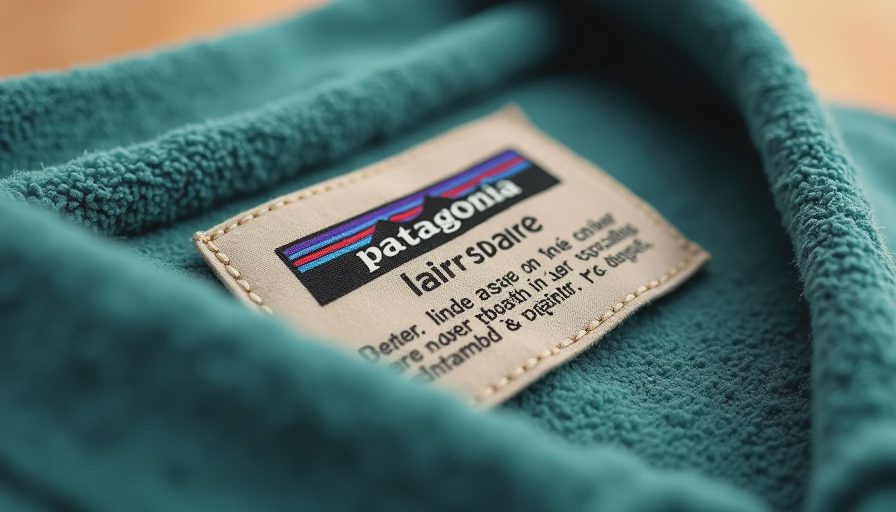
The Patagonia Better Sweater is a midweight fleece jacket made from 100% recycled polyester. It comes in a full-zip jacket, a quarter-zip pullover, and a hooded version. The fabric is a brushed fleece that's soft against the skin but durable enough for light outdoor use. Key features: zippered hand pockets, a chest pocket, and a stand-up collar on the full-zip. Patagonia markets it as a "favorite for years"—and it's been around long enough to earn that title.
But specs are promises. Wear is the truth. So I put mine through four seasons of California and Sierra terrain.
How It Held Up in Real Conditions
Coastal Fog (Half Moon Bay)
I live within a mile of the Pacific, so fog and damp are daily realities. The Patagonia Better Sweater handles humidity decently—it doesn't soak up moisture like cotton, and it dries fast. But it's not windproof. On blustery beach walks, I needed a shell over it. The fleece breathes well, which is great for cool mornings that warm up, but don't count on it as a standalone in gusty weather.
Sierra Snow (Late Spring & Early Winter)
I took it to Yosemite in April and the Eastern Sierra in November. As a midlayer under a waterproof shell, it's excellent. The weight traps heat effectively without being bulky. After a full day of hiking, the Patagonia Better Sweater kept me warm during a sudden snow squall above 9,000 feet. However, the brushed fleece does collect snow and ice if worn as an outer layer in wet snow—the snow melted on contact and soaked through after about 20 minutes. Lesson: this is a midlayer, not a rain jacket.
Daily Use & Durability
Over a year, I've worn the Patagonia Better Sweater at least three times a week. The fabric pilled lightly under the backpack straps and at the cuffs after about 50 wears—a common complaint online. The zippers are YKK and still smooth. The hand pocket lining started fraying at the corners after six months. Not catastrophic, but for the price, I expect a little more longevity. That said, it still looks presentable. I'd call it durable for casual use, but if you're bushwhacking or scrambling regularly, choose a more rugged fleece.
Versatility: Trail First, Town Second
The Patagonia Better Sweater is a champion of the trail-to-town transition. I've worn it to a brewery after a muddy hike, and it brushed off well. The color options are earthy enough to not look like gear-head garb. Over chinos or jeans, it works as a casual jacket. The full-zip version is easier to layer than the pullover, but both look good.
Who Should Buy the Patagonia Better Sweater?
**Buy it if:** You want a comfortable, everyday midlayer that transitions from trail to town. You appreciate recycled materials and Patagonia's repair warranty. You live in a mild climate where you need one jacket for fall/winter that can handle cool, dry conditions with a shell for wet days.
**Skip it if:** You need a dedicated outdoor piece for serious alpine or wet conditions. You're on a tight budget—there are cheaper fleeces (like the REI Co-op Fleece or Outdoor Research Vigor) that perform similarly. You hate pilling. Also, if you run hot, the Better Sweater can get warm during active use; it's better for low-output activities or cold weather.

Alternatives to Consider
- **REI Co-op Fleece:** Around $70–90, similar weight, but not as refined—the fit is boxier and the fabric feels less substantial. Great value.
- **Outdoor Research Vigor:** More breathable and athletic fit, about $120. Better for high-output activities.
- **Arc'teryx Covert:** $200+. More stylish, less pilling, but also less casual. Overpriced for most.
- **Used Patagonia Better Sweater:** Check Worn Wear or eBay. I've seen them for $50–80. That's the real sweet spot.
Would I Buy It Again?
Honestly? Maybe. I love the look and versatility, but the pilling and fraying make me pause. If you can find one secondhand for under $70, absolutely. At full retail, it's good—but not flawless. For most people, the Patagonia Better Sweater is a solid investment if you prioritize style and brand over absolute durability. For me, I'll keep wearing mine until it falls apart, then probably switch to a tougher fleece that can handle more Sierra abuse.
Rain, salt, and real mileage included. That's the truth.
*Got questions about the Patagonia Better Sweater? Drop a comment or message me on Instagram @sloanesfieldnotes.*


No comments yet — be the first to share a thought.