I spent last October slogging through a cold rain on the Lost Coast Trail, soaked to the bone because I ignored my own rule on what to wear for trekking. My cotton shirt was a sponge, my cheap rain jacket wetted through in an hour, and my boots turned into buckets. I learned that lesson the hard way so you don't have to. Whether you're heading into the Sierra or just doing a day hike on the Peninsula, the right layering system makes the difference between a miserable slog and a memorable adventure. Here's my real-world breakdown of what to wear for trekking, tested in rain, salt, and real mileage.
Start with the Right Base Layer
The base layer is the foundation. It should wick moisture away from your skin, dry fast, and not stink after one day. Merino wool is my go-to: I've worn a 150-weight Icebreaker tee for three days straight on the John Muir Trail with no odor issues. Synthetic options like Patagonia's Capilene Cool Daily are cheaper and dry faster, but they hold smell. For colder treks, a 250-weight merino top adds warmth. Avoid cotton at all costs—it chills you when wet and takes forever to dry. Price range: $40–$90 for merino, $30–$50 for synthetic.
Mid Layers: Insulation That Works
Your mid layer traps heat. For most trekking, a lightweight fleece like the Patagonia R1 Air ($139) or a budget-friendly Decathlon MH100 ($15) is enough. In wet conditions, consider a synthetic puffy jacket—the Arc'teryx Atom LT ($300) is a favorite for its breathability and water resistance, but the Uniqlo ultralight down ($80) works for dry, cold trips. I've used the Atom LT on foggy Half Moon Bay mornings and it performed perfectly. Avoid down if rain is likely; synthetic retains warmth when damp. Pro tip: layer a fleece over a merino base, then add a shell if needed.
Outer Shell: Your First Line of Defense
A waterproof-breathable shell is non-negotiable if there's any chance of rain or wind. I've tested the Outdoor Research Helium Rain Jacket ($189) on dozens of coastal hikes—it's lightweight (6.9 oz) and packs small, but the fabric isn't the most durable. For heavier use, the Arc'teryx Beta AR ($599) is bombproof but overkill for most. A solid middle ground is the Marmot PreCip ($100), which I've used for years in Pacific Northwest drizzle. Look for pit zips for ventilation, a hood that fits over a helmet, and sealed seams. If you run hot, a breathable softshell like the Black Diamond Alpine Start ($199) works for dry, cold treks.
Footwear: Trail Runners or Hiking Boots?
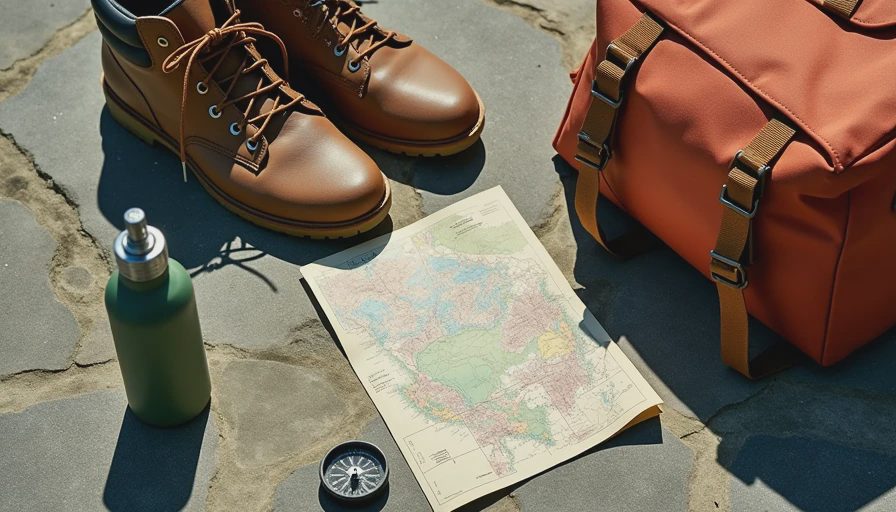
This is the most personal choice. I've done 15-mile days in both. For light loads and well-maintained trails, trail runners like the Hoka Speedgoat 5 ($155) offer more comfort and dry faster than boots. I wore them on the Zion Narrows with neoprene socks and they were perfect. For heavy packs or rocky, off-trail terrain, boots like the Lowa Renegade ($250) give better ankle support and durability. If you buy boots, make sure they have a stiff enough sole for scrambling. Whatever you choose, break them in before a long trek. Blisters will ruin any trip.

Pants and Accessories
For pants, I swear by the Outdoor Research Ferrosi ($89). They're stretchy, breathable, and dry quickly after a stream crossing. In cold weather, add a merino long john or fleece-lined pants. If rain is heavy, bring a waterproof rain pant—the Zpacks Vertice ($150) is ultralight. Don't forget a hat (sun or warm), gloves (a thin merino liner like Smartwool ($25) works for most conditions), and a buff or gaiter (I use a Buff Polar ($30) for cold). Socks are critical: wear a mid-weight merino wool sock like Darn Tough ($25) and bring a spare pair. On multi-day treks, wash socks in streams and air dry.
Build Your System
Layering is about mixing and matching. On a typical Sierra summer day, I wear merino base, an R1 fleece mid, and carry a Helium shell in my pack. If the wind picks up, the shell goes on. If it's cold at camp, I add the Atom LT. The beauty of this system is versatility. You can add or remove a layer without stopping to change everything. I've used this setup from the California coast to the Rocky Mountains. For winter trekking, swap the fleece for a synthetic puffy and add a thicker base layer.
Final Thoughts
The best gear is the gear you actually wear. I've seen people carry three pounds of puffy jackets they never use because they're too hot to hike in. Instead, focus on versatility and comfort. What to wear for trekking comes down to understanding your conditions and moving with weather changes. Test your system on short hikes first. A $10 thrift store fleece can work as well as a $200 brand name if it fits your needs. Stay dry, stay warm, and enjoy the trail.


No comments yet — be the first to share a thought.