If you’re wondering what to wear on a hike, the answer isn’t a single outfit—it’s a system. I’ve tested layers from Half Moon Bay fog to Sierra granite, in rain, salt, and real mileage. Whether you’re new to hiking or just tired of sweating through your backpack straps, this guide covers the how and why behind every piece.
Start with the Right Base Layer
Your base layer is the closest thing to your skin. Its job is to wick moisture away, not absorb it. Cotton is the enemy—it soaks up sweat and stays wet, which can lead to chills even on a mild day. I’ve made that mistake on a 50-degree coastal hike and spent the last two miles shivering. Instead, choose synthetic merino wool or a polyester blend. My go-to is a 150-weight merino tee from Smartwool or the Patagonia Capilene Cool Daily shirt. For cool mornings, a long-sleeve merino top works wonders. Expect to spend $40–$80 for a quality piece, but it’ll last years if you care for it.
The Mid-Layer: Insulation That Moves with You
When the temperature drops or the wind picks up, your mid-layer provides warmth. This is where a fleece or a lightweight insulated jacket shines. For most three-season hiking in California, a fleece like the Patagonia R1 or the Outdoor Research Vigor is perfect. It breathes well and dries fast. On colder spring mornings in the Sierra, I swap to the Arc’teryx Atom LT (a synthetic insulated jacket) which adds warmth without bulk. Avoid down as a mid-layer unless you’re sure it won’t get wet; once damp, down loses all insulating power. If you do buy down, make sure it’s treated with a water-resistant finish. Prices for a solid mid-layer range from $50 for a budget fleece to $200 for a premium insulated jacket. Consider what to wear on a hike by thinking about the range of temperatures you’ll face—layering allows you to adjust.
Outer Shell: Don’t Skimp on Weather Protection
Your outer shell is your first defense against wind, rain, and snow. A good rain jacket is non-negotiable on the coast. I’ve been caught in sudden Pacific squalls where a packable shell saved my hike. Look for a jacket with pit zips for ventilation, a hood that fits over a helmet or cap, and taped seams. My current favorite is the Outdoor Research Helium—lightweight, packable, and surprisingly durable for its weight at around 6 ounces. For wetter climates, a Gore-Tex jacket from Arc’teryx (like the Beta LT) offers bombproof waterproofing but costs upward of $400. If you’re on a budget, the REI Co-op Rainier is a solid performer at $100. The key is to match the shell to your typical conditions. And remember: what to wear on a hike is a system—your shell is only one piece.
Bottoms: Flexibility Meets Durability
I used to hike in old basketball shorts, and I regretted it every time brush snagged and brambles tore. For most day hikes, a pair of durable hiking pants or convertible pants does the job. I prefer a slim-straight fit in a stretchy nylon-spandex blend like the Outdoor Research Ferrosi or the Prana Stretch Zion. They dry fast, resist dirt, and offer full range of motion. In warmer weather, I switch to short-length hiking-specific leggings or shorts. Avoid jeans like the plague—they’re heavy, slow-drying, and restrict movement. If you hike in a hot climate, look for pants with zip-off legs. Expect to pay $60–$100 for a good pair. For cold or wet trail runs, a softshell pant with light insulation can replace the base+mid+shell combo on your lower half.

Footwear and Socks: Where Most People Get It Wrong
I cannot stress this enough: your choice of footwear and socks is the single most important part of what to wear on a hike. Blisters, sore feet, and rolled ankles ruin a trip fast. I hike in trail runners for most day hikes—specifically the Hoka Speedgoat or Brooks Cascadia—because they’re lighter and breathe better than boots. But if you’re carrying a heavy pack or doing technical terrain, a mid-height boot with good ankle support, like the Salomon X Ultra 4 Mid GTX, is worth the weight. Whichever you choose, make sure you have a thumb-width of space between your longest toe and the front of the shoe. And never wear cotton socks. Wool or synthetic sock liners paired with a cushioned wool hiking sock (Darn Tough or Smartwool) are the only things that have kept my feet dry and happy for miles. A good pair of socks costs $15–$25, and they’re worth every penny.
Accessories and Packing: The Small Stuff Matters
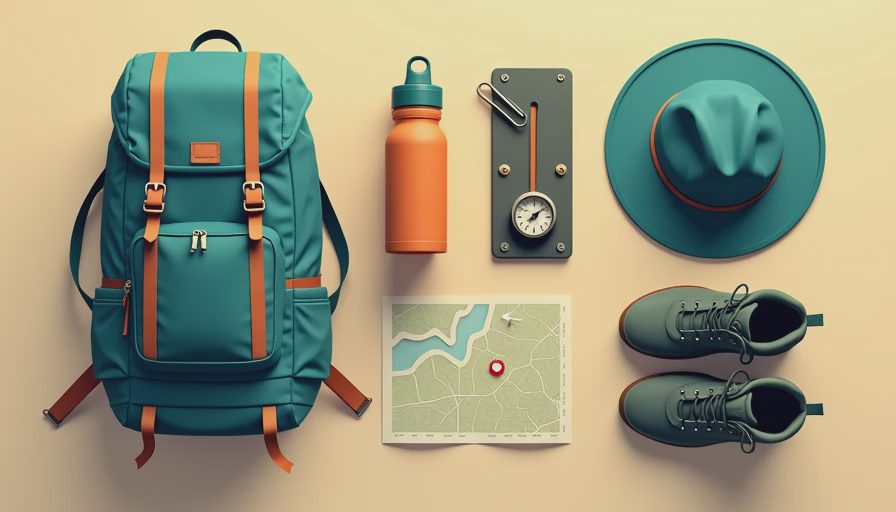
Hats, gloves, buffs, and sun protection aren’t optional—they’re part of a complete system. A wide-brimmed sun hat or a trucker cap (with a neck flap, if you’re in high UV) prevents burns and keeps the sun out of your eyes. A buff or lightweight neck gaiter works as a headband, face cover, or emergency towel. For hands, a thin pair of fleece gloves (like the Outdoor Research Vigor) is fine for most California seasons. And don’t forget the sunscreen and sunglasses. If you carry a small daypack, layer your clothing so you can peel off and stow layers as the day warms up. One final tip: always bring a lightweight puffy jacket for breaks (even in summer, I take the Patagonia Micro Puff)—you will cool down fast once you stop moving. Knowing what to wear on a hike isn’t about buying a whole new wardrobe; it’s about choosing the right combination of layers for the day’s conditions. Rain, salt, and real mileage included, I’ve settled on a core kit that works from the coast to the peaks. Give it a try, and adjust as you go.


No comments yet — be the first to share a thought.