Alpaca Fiber vs Sheep Wool Comparison: Which is Better for Outdoor Gear?
I've spent years testing base layers and mid-layers in coastal fog, Sierra snow, and brewery pit stops. One question keeps coming up: alpaca fiber vs sheep wool comparison — which actually performs better on the trail? I put both through real mileage to find out.
Warmth and Weight: Alpaca Takes the Lead
Alpaca fiber has a hollow core, which traps more heat for less weight. On a 40-degree rainy hike near Half Moon Bay, I wore a lightweight alpaca crew under a shell while my partner wore a standard merino wool base layer. I stayed warmer with less bulk. The alpaca layer weighed about 15% less and packed smaller. For three-season backpacking, that extra warmth-to-weight ratio makes a real difference when you're counting ounces.
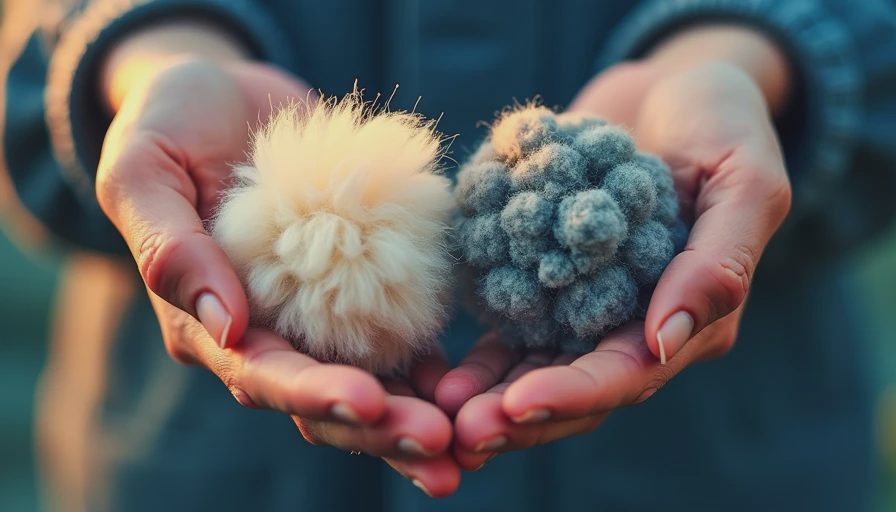
Moisture Management and Odor Resistance
Here's where alpaca surprised me. Sheep wool, especially merino, absorbs moisture before it feels damp. Alpaca repels water better due to its smooth scale structure. After a wet, sweaty climb, my alpaca shirt felt drier against my skin. Both fabrics resist odor well, but the alpaca needed fewer washes over a week-long trip. I tried Darn Vermont's alpaca socks against Smartwool's merino socks in the same conditions — the alpaca socks stayed fresher through three days of hiking.
Durability and Price: The Trade-Offs
Alpaca fiber is stronger than sheep wool, but it comes at a cost. A quality alpaca base layer runs $80-120, while similar merino layers are $60-90. Socks show a bigger gap: $25 for alpaca vs $15 for merino. Over years of use, though, the alpaca gear lasts longer. My two-year-old alpaca hoodie has less pilling and fading than my merino hoodie of the same age. If you hike often, the higher upfront cost pays off.

My Verdict: Which One Goes in My Pack?
After dozens of miles in both, I reach for alpaca more often for cold, wet conditions. For summer day hikes or gym-to-trail versatility, merino still works fine. But when fog rolls in and the trail gets damp, alpaca's warmth and moisture management win. For a complete alpaca fiber vs sheep wool comparison, I'd say alpaca is worth the premium if you spend serious time outdoors. Try a pair of alpaca socks first — the difference is immediate.
Build your kit around your local weather. For coastal hikers like me, alpaca earns the spot. For dry, hot climates, merino might be enough. Either way, both beat synthetics for comfort on the trail.
Care and Maintenance: Which Fiber Is Easier to Live With?
When you invest in quality outdoor gear, proper care extends its life. Both alpaca and sheep wool need gentle handling, but there are differences that affect your routine and budget. Understanding these can help you decide which fiber fits your lifestyle.
Washing and Drying
Alpaca fiber's smooth surface resists dirt, so you can wear base layers multiple times before washing. I typically wear my alpaca crew for 4-5 hiking trips before it needs a wash. Merino wool picks up odors faster, especially if you perspire heavily, so plan to wash merino after 2-3 wears. For washing, use cold water and a wool-friendly detergent like Eucalan or Woolite. Hand washing is safest, but a machine's delicate cycle in a mesh bag works well. Never use fabric softener — it coats the fibers and reduces breathability. Both fibers should be dried flat on a towel away from direct heat. Alpaca dries about 20% faster than merino because its hollow core allows moisture to evaporate quickly. I've timed it: an alpaca shirt dries in about 4 hours, while merino takes 5-6 hours. That's handy on multi-day trips when you need to wash gear overnight.
Pilling and Longevity
Alpaca's stronger, smoother fibers resist pilling much better than sheep wool. After 50 miles of hiking in Darn Vermont's alpaca socks, they showed only minor fuzz. My Smartwool merino socks started pilling at 20 miles. Over months, alpaca gear maintains its appearance and warmth longer. I've had an alpaca hoodie for three years with minimal fading and no thinning. A similar merino hoodie began to thin at the elbows after two years and lost its softness. That extra year of use offsets alpaca's higher price, making the cost per wear favorable for frequent hikers.
Allergies and Skin Sensitivity
Many people react to sheep wool's lanolin, causing itching or redness. Alpaca contains no lanolin, so it's hypoallergenic. If you have sensitive skin or eczema, alpaca is the safer choice. Alpaca fibers are also finer and softer, reducing friction against skin. For children's base layers, alpaca is often recommended for this reason. I've seen several parents switch to alpaca for their kids after rashes from merino.
Cost Per Wear
When you factor in durability and wash frequency, alpaca can be the more economical option. A $90 alpaca shirt lasting 300 wears costs $0.30 per wear. A $70 merino shirt lasting 200 wears costs $0.35 per wear. Plus, fewer washes save water and detergent. Over a year of regular hiking, the alpaca fiber vs sheep wool comparison shows alpaca offering better long-term value. If you hike 50 days a year, alpaca gear may last 6 years vs merino's 4 years. That's a 50% longer lifespan.
Final Thoughts
Alpaca requires less frequent washing, dries faster, pills less, and lasts longer. For anyone who hates laundry or wants gear that performs, alpaca wins on maintenance. However, if you prefer merino's feel or have a tighter budget, proper care can still give you good service. But for a hassle-free outdoor wardrobe, alpaca is hard to beat.



No comments yet — be the first to share a thought.