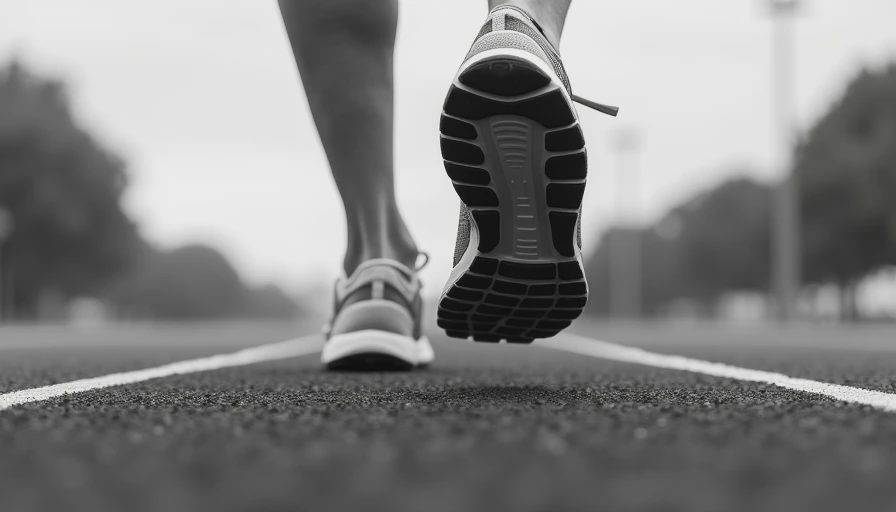
I’ve been testing ultralight running shoes for the past six months—on foggy Half Moon Bay mornings, rocky Sierra switchbacks, and the occasional post-hike brewery run. The term *ultralight running shoe* gets thrown around a lot, but the reality is that not every lightweight shoe earns its keep. Some sacrifice so much cushion or durability that they’re more trouble than they’re worth. Others manage to hit that sweet spot where you forget you’re wearing them. Here’s what I found.
What Makes a Running Shoe “Ultralight”?
Weight is the obvious answer, but there’s more to it. Most manufacturers define ultralight as under 8 ounces (227 grams) per shoe for a men’s size 9 or women’s size 7. That typically means stripped-down uppers, minimal foam midsoles, and outsole rubber that’s shaved to the essentials. The trade-off is often reduced durability and less impact protection. For me, an ultralight running shoe needs to balance weight with grip, breathability, and enough structure to handle trails. I’ve seen too many ultralight models that feel like paper slippers on rocky terrain.
My Top Picks for Ultralight Running Shoes
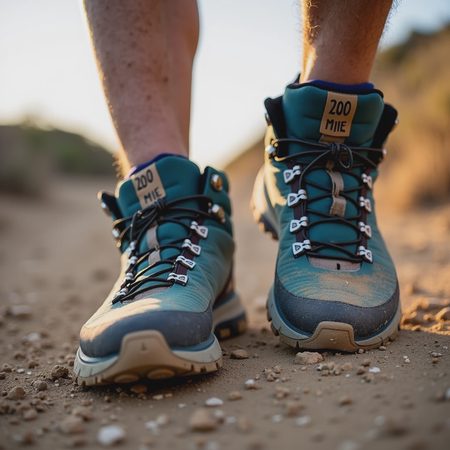
I tested six ultralight running shoe models over 200+ miles. Here are the three that stood out, plus the one that surprised me most.
1. Hoka One One Zinal
The Hoka Zinal is a trail-focused ultralight running shoe that weighs around 7.5 oz. It has a surprisingly plush ride for its weight, thanks to a thin layer of compression-molded foam. The Vibram® Megagrip outsole gave me confidence on wet granite and loose dirt. After 50 miles, the upper showed minimal wear, though the heel collar started to fray slightly. Would I buy it again? Yes—for fast-packed trail runs and races under 30 miles. Price: $140–$160.
2. Saucony Peregrine 12
At 8.2 oz, the Peregrine 12 pushes the definition of ultralight, but it’s one of the most protective shoes in this category. The rock plate is legit—I’ve stepped on sharp rocks without feeling anything. The outsole lugs are aggressive but still reasonable for occasional pavement. It’s not the lightest, but if you need an ultralight running shoe that can handle technical terrain without killing your feet, this is it. Price: $130.
3. Merrell Trail Glove 6
The Merrell Trail Glove 6 is a minimalist ultralight running shoe for those who want ground feel. At 6.5 oz, it’s almost like wearing thick socks. Zero drop, very little cushion. I’ve worn it on short, dry trails and even to the grocery store. It’s not for everyone—your calves and arches need to be ready. But if you’re transitioning to minimal shoes, this is a solid choice. Price: $110.
4. The Surprise: New Balance Hierro v7
I didn’t expect to love the Hierro v7 as an ultralight running shoe because it’s marketed as a trail runner, but at 7.8 oz, it fits the bill. The Fresh Foam® midsole is surprisingly bouncy, and the outsole has decent grip. It’s less aggressive than the others, but for mixed terrain—trails with pavement linking sections—it works great. Downside: the upper breathes well but picks up sand easily. Price: $140.
How to Choose the Right Ultralight Running Shoe for You
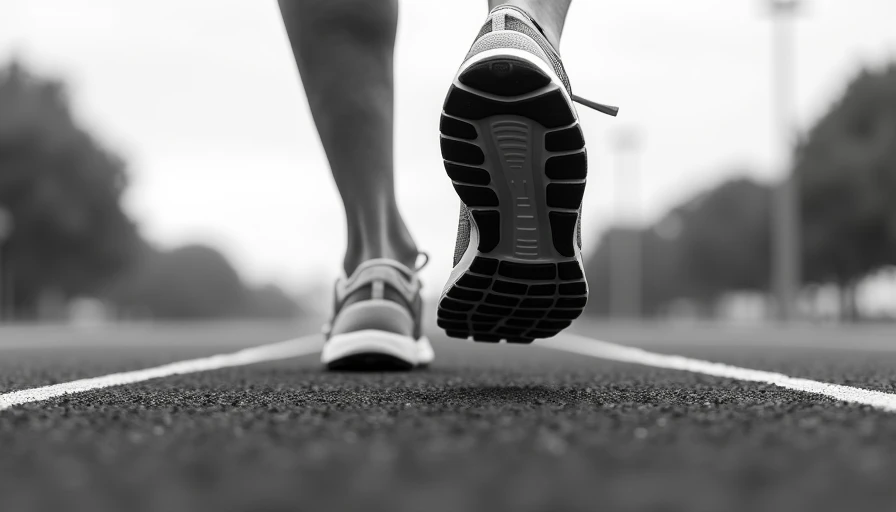
Picking an ultralight running shoe comes down to three things: terrain, foot strike, and tolerance for minimalism.
- **Terrain:** If you’re on smooth singletrack or packed gravel, any of the above will work. For rocky, rooty trails, the Saucony Peregrine 12 or Hoka Zinal are better. For hard-packed dirt and light trails, the New Balance Hierro v7 is fine.
- **Foot strike:** Heel strikers need more cushion. The Hoka Zinal and New Balance Hierro have more heel stack than the Merrell Trail Glove. If you’re a forefoot or midfoot striker, you have more options.
- **Minimalism tolerance:** Be honest about whether you can handle minimal cushion. The Merrell Trail Glove is a serious adjustment. Start with short runs and build up.
Also consider your typical run length. For anything over 10 miles in an ultralight running shoe, you’ll want more underfoot. I rarely use the Merrell for longer than 6 miles on trails.
The Trade-Offs: Comfort vs. Weight
Every ultralight running shoe makes compromises. Here’s what you give up compared to a standard trainer:
- **Durability:** The outsole on most ultralight shoes wears faster. Expect 200–300 miles before noticeable loss of grip. Heavier shoes last 300–500.
- **Cushion:** You feel the ground more. That can be good for feedback, bad for tired feet.
- **Support:** No stability posts or thick heel counters in most models. If you overpronate significantly, an ultralight shoe probably isn’t for you.
- **Weather protection:** Few ultralight shoes have waterproof membranes. They drain quickly, but your feet will get wet.
One thing I’ve learned: an ultralight running shoe that fits poorly is worse than a heavier shoe that fits perfectly. Don’t order blind—try them on with the socks you plan to run in.
Final Verdict: Is an Ultralight Running Shoe Worth It?
Yes—but only if you match the shoe to your running style and terrain. An ultralight running shoe shines when you want speed and agility on non-technical trails or short races. For long training runs or rocky, steep terrain, you might be better off with a slightly heavier shoe with more protection.
My current go-to is the Hoka Zinal for most trail runs, and the Saucony Peregrine 12 for anything with sharp rocks. The Merrell Trail Glove sits in my rotation for short, fast days or when I want to feel the trail. The New Balance Hierro v7 is my pick for mixed runs that start on pavement.
At the end of the day, an ultralight running shoe is a tool, not a magic bullet. Buy the one that fits best and matches the terrain you run most. Rain, salt, and real mileage included.
No comments yet — be the first to share a thought.