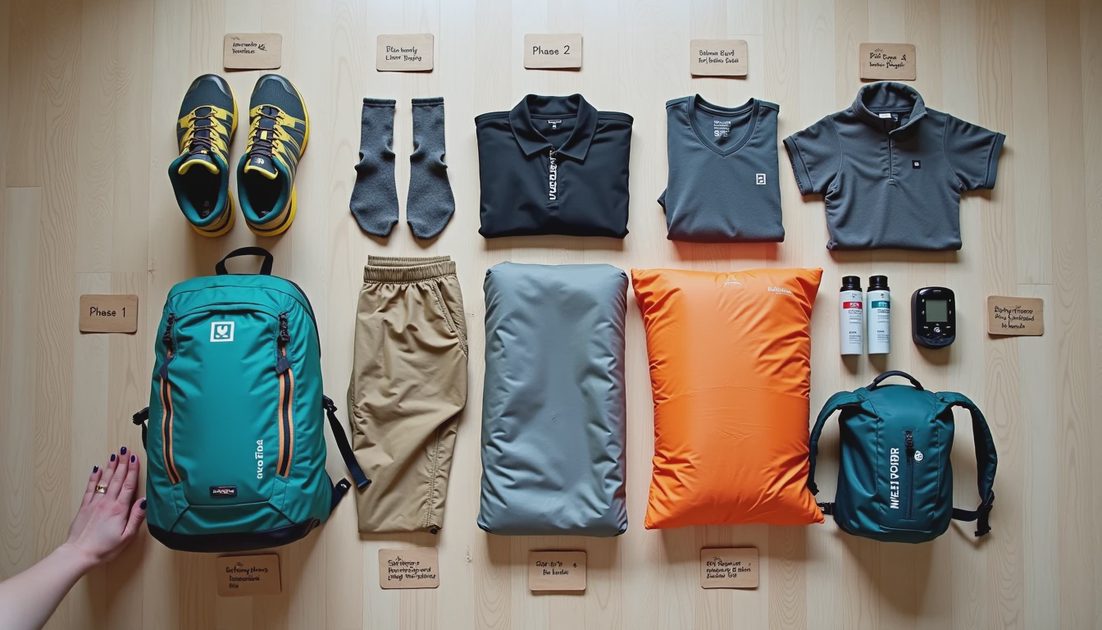
If I lost every piece of gear I own tomorrow — fire, theft, a freak shipping container accident, whatever — and had to rebuild from zero with the knowledge I have now, here's exactly what I'd buy. Not the gear I own today. Not the gear I've accumulated over a decade. The ten pieces I'd buy first, in order, with my own money, knowing what I know after ten years of getting it wrong.
This is a weekend kit. Friday afternoon to Sunday afternoon. Three-season conditions — roughly 35°F to 75°F. Day hikes and overnighters. Everything fits in one pack. Nothing is aspirational. Every piece has earned its place through real use, not marketing.
The budget is reasonable but not dirtbag — roughly $1,200 total, with alternatives at lower and higher price points. If you're starting from nothing, this is the order I'd buy in.
The 10 Pieces
# | Category | Item | Price | Why First |
|---|---|---|---|---|
1 | Footwear | Salomon X Ultra 4 (non-GTX) | $145 | Bad boots end trips. Start here. |
2 | Socks | Darn Tough Hiker (2 pairs) | $28 | Blisters end trips. $14 prevention. |
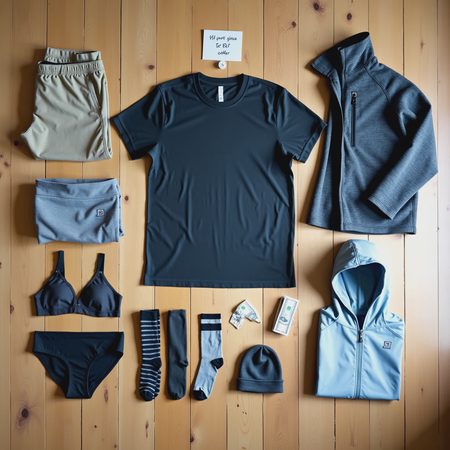
3 | Base layer | Ridge Merino Wanderer T-shirt | $55 | What touches your skin matters most. |
4 | Pants | REI Co-op Sahara | $45 | Functional, cheap, durable. |
5 | Fleece | Decathlon MH100 1/4-zip | $15 | Warmth for $15. No excuse not to. |
6 | Rain shell | Frogg Toggs Xtreme Lite | $59 | Waterproof, pit zips, under $60. |
7 | Daypack | REI Co-op Flash 22 | $55 | Light, simple, right size. |
8 | Sleep system | Big Agnes Copper Spur HV UL2 + pad + bag | $550 | The big investment. Do it once. |
9 | Hydration | SmartWater bottles (2) + Sawyer Squeeze | $40 | Simple, reliable, PCT-approved. |
10 | Emergency | Garmin inReach Mini 2 | $299 | The heaviest "maybe" that always comes. |
Total: $1,291
The Order Matters
I didn't list these in order of price or category. I listed them in the order I'd buy them, because the sequence matters when you're starting from nothing.
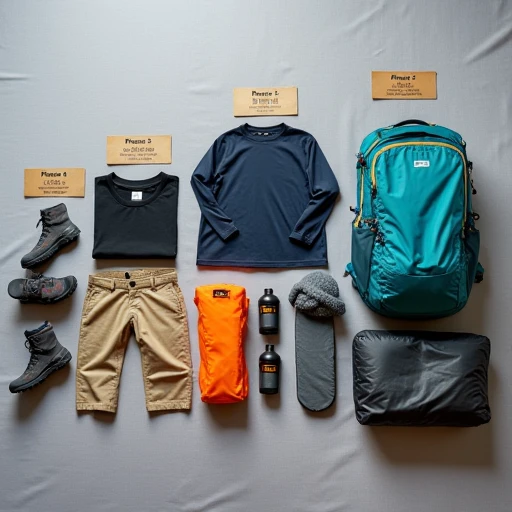
Items 1–4 go on your body. You can day hike in these four pieces while you save for the rest. Boots, socks, base layer, pants — that's a complete hiking outfit. Start here. Go outside immediately. Don't wait until you own everything.
Items 5–7 expand your range. Fleece, rain shell, and a daypack turn your hiking outfit into a three-season day hiking system. You can now hike in rain, stay warm when the temperature drops, and carry food and water for a full day. You're a functional day hiker at $347 total.
Items 8–10 turn you into an overnight backpacker. The sleep system is the single largest investment because it's the single largest impact on your experience. A bad night's sleep ruins a trip. A good night's sleep makes you want to go again. The inReach is the piece you hope never to use, but it's also the piece that lets you text "camp here, all good" to the person waiting at home.
Piece 1: Salomon X Ultra 4 (Non-GTX) — $145
Why this boot: Light enough for day hikes, supportive enough for weekend loads, wide enough for feet that spread during descents. The non-GTX version breathes better than the waterproof version and dries faster after creek crossings. I've written a full 200-mile review of the GTX version elsewhere on this site. For a starting kit, the non-GTX is the smarter buy — more breathable, lower price, and for most three-season conditions, you don't need a waterproof membrane on your feet.
Why not trail runners: Trail runners have their place — fastpacking, thru-hiking, dry trails. But for a beginner carrying weekend weight over variable terrain, a lightweight boot offers more ankle support and underfoot protection. Start with the boot. Switch to trail runners later if you want.
Alternatives: Merrell Moab 3 ($120) for a budget pick with wider fit. Hoka Anacapa 2 Mid ($185) for maximum cushioning.
Piece 2: Darn Tough Hiker Micro Crew Socks (2 Pairs) — $28
Why this sock: Merino-nylon blend, lifetime warranty, and the pair I'm wearing right now has 400 miles on it with zero holes. Two pairs: one on your feet, one in your pack. Swap at lunch on long days. Dry feet are blister prevention, and blister prevention is the difference between finishing a hike and limping back to the car.
Why Darn Tough specifically: The warranty. When they finally wear through — and everything wears through eventually — you mail them back and get a new pair. I've done it. It's real.
Alternatives: REI Co-op Merino Hiking Crew ($16/pair) for a solid budget option. Smartwool PhD Outdoor ($24/pair) for more cushioning.
Piece 3: Ridge Merino Wanderer T-Shirt — $55
Why this shirt: 150gsm merino wool. Flatlock seams. Shaped hem that stays tucked in. I've worn mine for two years and it doesn't stink after a full day of sweating — unlike every synthetic base layer I've owned before it. Merino is the single best investment in your kit because it touches your skin for 12 hours straight. If it fails — chafes, stinks, soaks through — you're miserable regardless of what's on top.
Why not cheaper: You can buy a $25 synthetic hiking shirt. It will stink after one use. It will feel clammy when you stop moving. Spend the $55 on merino. You'll wear it hiking, traveling, and on every casual Friday for the next three years.
Alternatives: Decathlon Forclaz Merino T-shirt ($25, 190gsm) for the budget version that’s 80/20 (wool blend), $80 (130gsm) for a lighter, more refined option.
Piece 4: REI Co-op Sahara Pants — $45
Why these pants: Nylon-spandex, DWR finish, zip-off legs convert to shorts, UPF 50+. I've recommended these in multiple Build Your Kit pieces because they do the job without costing $100. They're not stylish. They're functional. For a starter kit, that's the right priority.
Why not Prana or Fjällräven: The Prana Stretch Zion ($95) and Fjällräven Keb ($200) are better pants — more durable, more comfortable, better fit. But they cost twice to four times as much. The Sahara is a placeholder that works well enough to keep for years. Upgrade when they wear out.
Alternatives: Columbia Silver Ridge Convertible ($50) for another budget option. Fjällräven Keb ($200) when you're ready to invest in pants that'll last a decade.
Piece 5: Decathlon MH100 1/4-Zip Fleece — $15
Why this fleece: 200gsm polyester fleece, 1/4-zip, two hand pockets, 7.1 ounces, $15. This is the best value in outdoor gear. I’ve used mine for three years. It’s not technical. It’s not stylish. It’s a fleece. It does fleece things — traps warm air, breathes when you unzip, dries fast. At $15, there's no excuse not to have one.
Why not a puffy: A puffy is better for static warmth at camp. A fleece is better for active warmth while hiking. For a starting kit, active warmth is more important — you'll be moving more than you'll be sitting. Add a puffy later when you have the budget.
Alternatives: Patagonia Micro D 1/4-Zip ($59) for a softer, more durable version. Arc'teryx Kyanite LT ($169) for a fleece that looks like regular clothing.
Piece 6: Frogg Toggs Xtreme Lite Rain Shell — $59
Why this shell: Waterproof-breathable membrane, fully taped seams, adjustable hood, pit zips, 10.5 ounces, $59. This is the updated version of the classic Frogg Toggs that thru-hikers have used for years. Pit zips at this price point are rare — most $100 shells don't have them. The membrane breathes acceptably. The fit is boxy but functional.
Why not Gore-Tex: A Gore-Tex shell costs $200 minimum. For a starting kit, the Frogg Toggs membrane keeps you dry for two seasons while you save for something better. And you still get pit zips, which many entry-level Gore-Tex shells lack.
Alternatives: REI Co-op Rainier Jacket ($99) for a more refined fit and better breathability. Arc'teryx Beta LT ($450) when you're ready for the last shell you'll buy for a decade.
Piece 7: REI Co-op Flash 22 Daypack — $55
Why this pack: 22 liters, 14 ounces, hydration sleeve, ice axe loop, mesh side pockets. The Flash 22 is the right size for day hiking — big enough for layers, food, water, and the ten essentials, but not so big that you'll fill it with things you don't need. The mesh back panel provides ventilation. The side pockets hold SmartWater bottles within reach.
Why not a bigger pack: A 35-liter or 45-liter pack is better for overnights. But you're building this kit in order, and for the first 7 pieces, you're a day hiker. The Flash 22 is perfect for day hiking and remains useful even after you buy an overnight pack.
Alternatives: Osprey Daylite Plus ($75) for a more padded suspension. REI Co-op Flash 55 ($199) when you're ready for an overnight pack that weighs under 3 pounds.
Piece 8: Sleep System — Big Agnes Copper Spur HV UL2, Sleeping Pad, Sleeping Bag — ~$550
Why this tent: The Copper Spur is the tent I bought after selling my ultralight mistake. Two-person (space for you and your gear), double-walled (condensation management), freestanding (pitch it anywhere), and a real floor that keeps bugs out. At 3 pounds, it's not ultralight. It's durable, livable, and won't make you miserable in the rain.
Sleeping pad: Therm-a-Rest NeoAir XLite ($210). R-value 4.5, 12 ounces, packs to the size of a Nalgene. Warm enough for three-season use. The horizontal baffles work for side-sleepers.
Sleeping bag: REI Co-op Magma 30 ($329) or Kelty Cosmic Down 20 ($160). The Magma is lighter and more packable. The Kelty is heavier but nearly half the price. Both are 20–30°F rated, which is the right range for three-season California hiking.
Total sleep system: 539-700 depending on bag choice. This is the single largest investment in your kit because sleep quality determines whether you enjoy backpacking or quit after one trip. Don't skimp here. Buy once.
Alternatives: REI Co-op Half Dome SL 2+ ($329) for a heavier but cheaper tent. NEMO Disco 15 ($320) for a spoon-shaped bag that works for side-sleepers. NEMO Tensor pad ($200) for a quieter alternative to the NeoAir.
Piece 9: Hydration — 2 SmartWater Bottles + Sawyer Squeeze — ~$40
Why this system: SmartWater bottles are $2 each, weigh 1.3 ounces empty, and the threads match the Sawyer Squeeze filter perfectly. Fill one bottle with dirty water, screw on the Sawyer, and drink directly through the filter. Fill the other bottle with clean water for mixing electrolytes. No bladder to clean, no mold to manage, no tube to freeze.
Why not a bladder: I wrote about this in my gear regrets piece. Bladders are hard to fill inside a packed bag, impossible to see water levels in, and prone to mold if you don't dry them completely. SmartWater bottles are transparent, replaceable, and cost $4 total.
Alternatives: Katadyn BeFree ($45) for faster flow rate but proprietary bottle threads. Platypus QuickDraw ($40) for a lighter filter that can be backflushed without a syringe.
Piece 10: Garmin inReach Mini 2 — $299
Why this device: Satellite communication for places without cell service. Text your emergency contact "camp here, all good." Check weather from a ridgeline. Trigger SOS if something goes catastrophically wrong. I carry mine on every solo trip and every trip where I'm the most experienced person in the group.
Why it's last on the list: Because you can day hike without it if you're in cell range and on well-traveled trails. But it moves from "optional" to "essential" the moment you start overnight trips or solo hiking. Budget for it. Carry it. Hope you never need the SOS button.
Alternatives: Zoleo Satellite Communicator for a cheaper device with higher subscription costs. SPOT Gen4 ($150) for basic check-in and SOS without two-way messaging. Your phone, if you're only hiking in areas with reliable cell service.
What's Not on This List — and Why
No trekking poles. You can hike without them. Many hikers prefer them. I use them on steep descents. But they're not essential for a starter kit. Add a pair of Cascade Mountain Tech carbon poles ($45) when budget allows.
No camp stove. For day hiking, you don't need one. For overnighters with this kit, cold food is fine for your first few trips. Add an MSR PocketRocket 2 + Toaks 750ml pot ($60 total) when you want hot coffee at camp.
No puffy jacket. Your fleece + rain shell handles active warmth down to 35°F. A puffy is for static camp warmth.
Add a Patagonia Micro Puff ($299) or Decathlon Forclaz Down Jacket ($80) when you start doing trips where you spend significant time at camp in cold weather.
No camp chair, no pillow, no luxury items. Start minimal. Add luxuries one at a time once you know which ones you'll actually use. I bring a pillow now. I didn't for my first three years.
How to Buy This Kit
Phase 1: Buy pieces 1–4 ($273). Boots, socks, base layer, pants. Go on a day hike this weekend. Stop waiting for the full kit.
Phase 2: Add pieces 5–7 ($129). Fleece, rain shell, daypack. You're now a fully equipped three-season day hiker. Total spent: $402.
Phase 3: Add pieces 8–10 ($889). Sleep system, hydration, satellite communicator. You're now an overnight backpacker. Total spent: $1,291.
You don't need to spend it all at once. Phase 1 gets you outside tomorrow. Phase 2 covers 80% of the hiking most people do. Phase 3 is for when you're ready to sleep in the backcountry.
The Bottom Line
Ten pieces. $1,291 total. Three phases that get you hiking immediately and building toward overnight capability.
The outdoor industry wants you to believe you need a 400 shell,a 350 ultralight tent, and a full quiver of technical layers before you can walk up a hill. You don't. You need boots that fit, socks that prevent blisters, a base layer that doesn't chafe, and a willingness to go outside in less-than-perfect weather. Everything else you accumulate over time, piece by piece, as you learn what you actually need.
This is the kit I'd build from zero. Not the fanciest, not the lightest, not the kit that'll impress anyone on Reddit. The kit that works — for real weekends, real conditions, real beginners who want to stop reading about gear and start using it.
Gear up. Get out.
No comments yet — be the first to share a thought.