
If you keep bouncing between **Patagonia vs REI**, I get it. I’ve done the same thing standing in coastal fog before a weekend hike, one hand on a Patagonia shell and the other on an REI Co-op fleece, trying to decide whether the price jump actually buys better days outside. After years of wet dog walks in Half Moon Bay, Sierra weekends, airport travel, and a lot of clothes that looked great until mile 40, here’s the plain answer: these brands overlap, but they are not trying to do the exact same job.
Patagonia is a gear-and-apparel brand with a strong identity around technical performance, repair, and long-term durability. REI is both a retailer and a house brand. That matters. When people compare Patagonia vs REI, they’re usually comparing Patagonia gear to REI Co-op branded gear, not the whole REI store. And in real use, the choice often comes down to whether you want premium materials and stronger resale value, or solid function at a more forgiving price.
Brand identity: what you are actually comparing
Patagonia tends to build products that feel more purpose-driven from the start. The fabrics are often nicer in hand, the trims are cleaner, and the pieces usually have a clear lane: alpine shell, synthetic belay layer, everyday fleece, travel pant. Even when Patagonia does lifestyle gear, it still feels trail first, town second — but both matter. I’ve had Patagonia layers hold shape better after repeated washing, salt air, and stuffing into a duffel.
REI Co-op, by contrast, is usually strongest when it aims for practical middle ground. Think rain jackets for occasional storms, puffies for shoulder season camping, hiking pants that can survive brush and brewery patios, and base layers that don’t demand luxury-brand money. The best REI pieces are not flashy; they’re useful. Specs are promises. Wear is the truth. In that truth-based test, REI often wins on value.
That’s the first filter in Patagonia vs REI: Patagonia usually leads on brand consistency and premium feel, while REI Co-op is often the smarter move for shoppers building a functional kit without overspending.
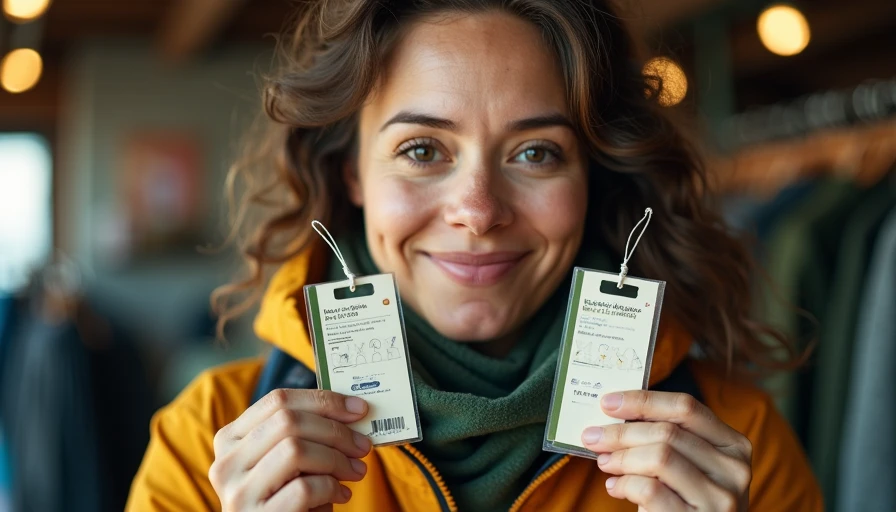
Price and value: where the gap really shows up
Patagonia is usually more expensive, sometimes by a little and sometimes by a lot. A fleece or insulated jacket can easily run noticeably higher than an REI Co-op equivalent. The obvious question is whether it performs that much better. Sometimes yes, sometimes no. If you’re buying a technical shell, insulation for cold and wet trips, or a piece you expect to wear for five or more years, Patagonia often justifies the premium better.
But a lot of hikers do not need top-shelf everything. For weekend trail use, everyday layering, and entry-level backpacking, REI Co-op frequently lands in the sweet spot. I’ve worn REI midlayers through damp 50-degree mornings on the coast and they handled the job fine. Not magical. Just competent, comfortable, and cheaper.
Where Patagonia can pull ahead is cost per wear. If a jacket lasts longer, looks better beat up, and keeps getting used for travel, work-from-home walks, and shoulder season hikes, the math changes. Still, if your budget is tight, I would rather see someone buy three well-chosen REI pieces than one Patagonia item and then skimp on the rest of the system.
Performance on trail: rain, wind, abrasion, and daily wear
This is where Patagonia vs REI gets more interesting than the price tag. Patagonia tends to feel more dialed in under harder use. In wind, cold rain, and repeated pack friction, I’ve generally found Patagonia outerwear a little more refined in cut and weather handling. Seams, cuffs, zippers, and hoods often feel like they were argued over by people who actually go outside in ugly conditions.
REI Co-op gear usually performs best when expectations are realistic. Their rainwear and insulation can be very good for moderate use, but I’ve seen some pieces lose that crisp, confidence-building feel sooner. What failed first? Often it’s the small stuff: face fabric looking tired, cuffs wearing out, a zipper feeling rough, or a fit that shifts awkwardly once you add layers.
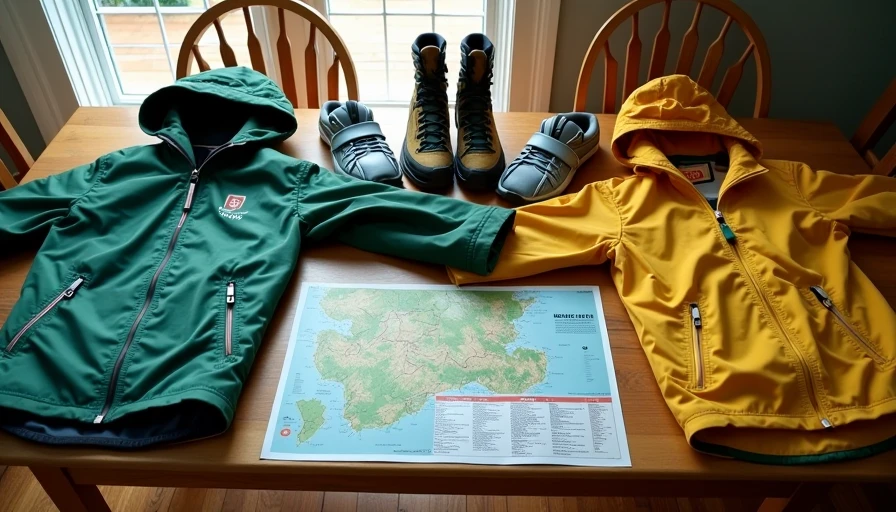
That said, not every Patagonia piece is automatically better. Some casual fleece and logo-heavy staples trade on the badge a bit. Meanwhile, REI has made plenty of jackets, pants, and base layers that quietly punch above their price. If you hike in mixed use conditions — local trails, travel, commute, dog walks, campground mornings — REI can absolutely be enough. If you’re hard on gear, carry a pack often, and keep clothes for years, Patagonia usually earns its reputation.
Fit, style, and the trail-to-town factor
Fit is one of the biggest practical differences. Patagonia often has a more tailored, slightly trimmer shape, especially in technical pieces. That can feel great if you like cleaner lines and efficient layering, but not every body type will love it. Some hikers find Patagonia sleeves and torso cuts just right; others feel squeezed once a fleece goes under a shell.
REI Co-op usually goes a little more forgiving and less fashion-opinionated. That makes it easier for a wider range of people to wear comfortably, especially for casual outdoor use. If you want one pair of pants for a day hike, grocery stop, and long drive home, REI often nails that middle ground better than premium brands trying to look overly mountain-serious.
Style-wise, Patagonia has stronger brand recognition and often better color palettes. Some pieces look good for years, even when they’ve been through rain, salt, and real mileage included. REI gear can lean more anonymous, which is either a plus or a minus depending on your taste. I like Patagonia more for staple outerwear and fleeces. I like REI more for practical basics that do not need to impress anyone.
Sustainability, returns, and would I buy it again?
Patagonia has built real credibility around repair, used gear, and keeping products in circulation longer. That matters if you’re trying to buy less and buy better. The company’s Worn Wear ecosystem gives older pieces a second life, and Patagonia’s overall repair-first mindset is still one of the stronger ones in outdoor gear.
REI deserves credit too, especially for giving shoppers a lower entry point and for its strong retail experience. If you are still figuring out what kind of hiker you are, REI is a great place to test categories without immediately paying premium-brand prices. The Co-op return policy and member perks also make gear experimentation less risky, though policies can change over time.
So, Patagonia vs REI — which would I buy again? For core pieces like shells, insulated jackets, and a few everyday fleeces I plan to abuse for years, I’d lean Patagonia if the budget allows. For hiking pants, base layers, starter outerwear, and smart budget kit building, REI Co-op is often the better buy. Skip the obvious brand worship. Buy the piece that fits your climate, your mileage, and your actual life.
No comments yet — be the first to share a thought.