
A few years ago, I packed for a three-day solo trip in the Emigrant Wilderness with a base weight of just under 11 pounds. I’d spent the previous month weighing my stakes, cutting tags off my clothes, and convincing myself that cold-soaked couscous was a personality trait. I left behind my stove, my pillow, and my tent’s footprint. I felt smug at the trailhead. I felt stupid 36 hours later, sitting on a folded square of foam in the rain, eating lunch that tasted like wet cardboard, having not slept the night before because my ultralight shelter sounded like a plastic bag in a wind tunnel.
That trip didn’t make me swear off lightweight gear. It made me realize that the number on my scale is only one measure of a good decision — and often not the most important one. The ultralight doctrine has consumed backpacking culture to the point where “3 lbs.” is praised as a base weight and “13 lbs.” is treated like a moral failure. But ounces don’t exist in a vacuum. They’re traded for other things: warmth, durability, comfort, safety, cost, and the kind of quiet satisfaction that comes from actually enjoying the time you spend out there.
Here’s why ultralight isn’t always the smartest choice — and how to know when to stop cutting and start carrying.
The Allure of the Number
There’s something deeply satisfying about a clean number. A base weight under 10 pounds feels like a trophy. Under 8 pounds feels elite. Under 5 pounds — well, now you’re in a very specific corner of the internet where people drill holes in their spoons.
But the number is just that — a number. It doesn’t tell you whether your shelter will pitch securely above treeline. It doesn’t tell you whether your sleep system will actually let you rest, or whether your rain gear will survive a genuine downpour. The number captures one dimension of gear performance: mass. And mass matters, especially over long distances. But mass isn’t the only thing that matters, and pretending otherwise leads to bad decisions.
I see this most painfully in beginners. Someone new to backpacking walks into an REI or goes down a YouTube rabbit hole, and the first coherent message they absorb is “lighter is better.” They buy an ultralight tent without learning how to pitch it in wind. They buy a frameless pack before their muscles can support the load. They end up cold, tired, and discouraged — and sometimes they quit altogether, convinced they’re not cut out for this, when really they just skipped the part where you learn to take care of yourself before you cut the handle off your toothbrush.
Trade-off #1: Durability vs. Weight
This is the most straightforward tradeoff, and the one ultralight marketers tend to gloss over. Ultralight materials — Dyneema Composite Fabric (DCF), 7-denier nylon, titanium foil — are chosen for their strength-to-weight ratio, not their absolute strength. Side by side, a 30-denier ripstop nylon fabric is many times more abrasion-resistant than a 10-denier version. A DCF tent is incredibly strong in tension for its weight, but it won’t take the same puncture or abrasion stress as a heavier nylon canopy.
For a thru-hiker covering 2,600 miles in five months, the tradeoff can make sense. They’ll likely replace or repair gear along the way, and the cumulative fatigue savings of a lighter pack can justify shorter gear lifespans. But for a weekend backpacker doing 10–20 miles a month, the same gear may wear out in two seasons instead of five, simply because the thinner fabrics and lighter components are less tolerant of regular handling, car-trunk abrasion, and the occasional rock scrape.
Consider the Big Three:
Tent: A sub-2-lb DCF shelter can run $600+. A 3-lb Big Agnes Copper Spur costs $550 and will typically last three times as many nights, with better interior space and fewer condensation issues. If you're not counting grams for a months-long hike, that extra pound buys years of additional service life — and better sleep.
Pack: A frameless ultralight pack weighs under 2 lbs. It also relies on careful packing and often has a comfortable carry limit around 20–25 lbs. A framed pack adds a pound but carries comfortably up to 35 lbs, making it far more versatile for variable water carries or gear-laden beginners.
Sleeping pad: Closed-cell foam pads weigh 7 oz and cost $45. An inflatable NeoAir XLite weighs 12 oz and costs $210. The foam pad essentially never fails; the inflatable will eventually puncture. But for most side-sleepers, the inflatable is the difference between waking up every 20 minutes and sleeping through the night. That ounce saving can ruin a trip.
The smart move isn’t “buy the lightest.” It’s “buy the lightest gear that meets your durability requirements for your actual use pattern.”
Trade-off #2: Comfort vs. Weight
A 3-oz foam sit pad weighs nothing. It also does the job of nothing — on a cold, damp evening, it provides almost no insulation from the ground and turns a long sit at camp into a endurance test. I carry a 2-oz inflatable seat pad and a 2.8-oz pillow now. Together they weigh less than a Snickers bar. I’ve had ultralight purists tell me I’m carrying “unnecessary luxury,” which is objectively true — but so is the dry pair of socks I also carry. Comfort is not a secondary concern. It’s the reason most of us go outdoors in the first place.
Comfort doesn’t just affect enjoyment. It affects safety. The hiker who slept badly and ate cold mush for dinner makes worse decisions the next day — route-finding, pacing, recognizing early signs of hypothermia. I’ve been that hiker. I called a trip early once because I was too tired to make good choices, and the root cause wasn’t the terrain or the weather. It was sleeping on a foam pad that was a half-inch thick and being too cold to sleep properly.
The same logic applies to nutrition. Cold-soaking reduces weight by eliminating a stove, fuel canister, and pot — roughly 11–16 oz total. But a hot meal and a hot drink at the end of a hard day isn’t just psychological fluff. It raises your core temperature, helps you rehydrate, and signals to your body that it’s time to rest and recover. I’ve tried the cold-soaking thing. I understand the appeal. But after five days of cold lentils in a Ziploc bag, my morale was underground. The weight of a stove is an investment in resilience — physical and mental.
Trade-off #3: Skill vs. Weight
Ultralight gear is often less forgiving. A tarp shelter can be lighter, but it requires careful campsite selection, skilled pitching, and a tolerance for exposure to wind, bugs, and condensation. A frameless pack works beautifully if you’ve mastered the art of packing soft items against your spine. An alcohol stove or an esbit setup demands fuel management and fire safety awareness that a canister stove doesn’t.
When things go wrong — wind shifts, rain arrives, a pack gets loaded awkwardly — ultralight gear gives you less margin. A heavier, more conventional kit can absorb mistakes. And everyone makes mistakes, even people who’ve been backpacking for years.
Expecting a beginner to start with a tarp and a 8-lb base weight is like teaching someone to drive in a Formula 1 car. They might get there, but they’re far more likely to crash and walk away thinking they’re a bad driver.
The smartest choice is the gear that matches your skill level and your margin for error. If you’re new, carry the tent with a floor. Carry the sleeping bag that’s rated 10 degrees warmer than the forecast low. Carry the extra layer. As you build skills, you’ll know what you can safely leave behind — and the process will be your own, not a stranger’s spreadsheet.
When Ultralight Is the Smartest Choice
None of this is to say that ultralight gear doesn’t have a place. It does — for specific hikers and specific objectives.
Thru-hiking. On a 2,000+ mile trail, the cumulative impact of weight on your body is enormous. Shaving pounds can prevent overuse injuries and allow you to cover the daily mileage necessary to finish before winter. The cost-per-mile of ultralight gear becomes reasonable when you’re spending five months in the same tent.
Speed records and FKT attempts. If speed is the explicit goal, weight is the primary lever. Every ounce matters when you’re trying to move fast through the mountains for 20 hours a day.
Physical limitations. For hikers with joint issues, back injuries, or chronic conditions, reducing pack weight can be the difference between being able to backpack at all and staying home. In these cases, ultralight gear is an accessibility tool, not a lifestyle choice.
Minimalist preference. Some people genuinely enjoy the puzzle of minimalist packing and the freedom of a light load. That’s a valid preference. The problem isn’t ultralight; it’s the assumption that ultralight is the only “correct” approach and everyone else is just too soft or too ignorant to get it.
The Smarter Middle Ground: “Thoughtful Light”
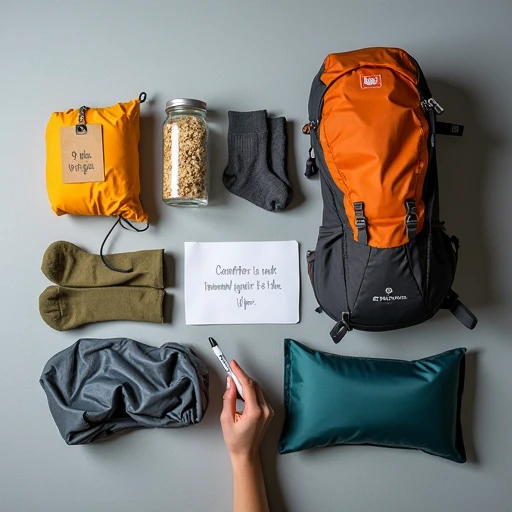
I’ve settled into something I call “thoughtful light.” I don’t have a target base weight. I have a target experience. I want to hike without my shoulders aching at mile 15. I want to sleep well enough to enjoy the next day. I want a hot meal and a hot drink at camp. I want enough safety margin to survive an unexpected storm or a wrong turn.
These priorities set a baseline of gear. From that baseline, I can reduce weight where it makes sense — lighter fabrics, more compact designs, multi-use items — without sacrificing the non-negotiables. My base weight for three-season trips hovers around 15–18 lbs. That’s not ultralight. It’s not even particularly light by some standards. But it’s a system that lets me hike comfortably, sleep soundly, and feel genuinely happy at camp.
And here’s the thing: I’ve hiked with ultralight packs before. I came back faster but more exhausted. I missed the warmth of a stove. I missed the quiet calm of a tent that felt like a small room, not a survival bivy. The lightness I saved on my back, I paid back in discomfort. The total cost was higher, not lower.
How to Decide What Weight Is Right for You
If you’re standing in front of a gear list wondering where to draw the line, here’s how I think about it now.
1. Start with non-negotiables.
What do you need to feel safe and reasonably comfortable? For me, that’s a fully enclosed tent, an inflatable sleeping pad, a stove, a pillow, dry socks, and a satellite communicator. Write your list. That’s your baseline weight. You don’t cut from the baseline unless you’re actively choosing to replace comfort with another priority — and you should do that deliberately, not by default.
2. Consider your actual trip profile.
Are you hiking 8 miles a day or 22? Is it a one-nighter or a month-long push? Are the nights cold, wet, buggy? The same base weight that’s “too heavy” for an FKT attempt might be perfectly appropriate for a weekend in the Sierra.
3. Weigh cost, literally.
Every ounce saved costs money. Saving a full pound from your tent might cost 300.Saving a pound from your pack might cost 300.Saving a pound from your pack might cost 150. Is there a less expensive way to reduce your carried weight — better fitness, lighter food packaging, leaving extra clothes at home? Spend money on ounces last, not first.
4. Be honest about who you are.
Don’t buy gear for the hiker you imagine you’ll be in two years. Buy gear for the hiker you are right now. If you’re a weekend warrior who loves campfires and hot meals, build a kit around that. The gear that fits your life is always the smarter choice than the gear that fits an ideal.
The Bottom Line
Ultralight is a tool, not a theology. It’s the right call for some people, on some trips, in some conditions. It’s the wrong call for others.
The number on the scale is one data point. It doesn’t measure whether you slept well, whether you were warm, whether you genuinely enjoyed the time you spent outside. An 8-pound base weight that leaves you cold and exhausted is a worse choice than an 18-pound base weight that keeps you safe and happy.
Be thoughtful. Be honest. Carry what you need — and leave behind the idea that anyone else gets to decide what that means for you.
Gear up. Get out. (With the pack that’s right for your back.)
No comments yet — be the first to share a thought.