
If you landed here looking for a **One jacket finder**, you probably want the same thing I wanted after too many foggy dog walks and damp ridge hikes: one jacket that earns its space, handles real weather, and does not feel ridiculous in town. Around Half Moon Bay, that means salt air, sideways drizzle, chilly mornings, and the kind of layering puzzle that exposes bad gear fast. Rain, salt, and real mileage included. The truth is simple: a good One jacket finder is less about chasing the fanciest logo and more about matching fabric, weight, and fit to how you actually live.
Start With Weather, Not Marketing
Most people shop jackets by category names that sound impressive. Alpine. Technical. Expedition. Urban shell. That is backward. A better One jacket finder starts with your weather and your routine. Ask what you really face in a normal month. For me, that is cool coastal wind, mist, light rain, muddy trailheads, and occasional Sierra trips where temperatures swing hard after sunset.
If your life looks similar, a huge insulated parka is overkill and an ultralight emergency shell is not enough. You probably want a versatile shell or insulated layer that can handle a two-hour hike, a grocery stop, and a windy brewery patio without drama. Trail first, town second — but both matter.
Think in use cases. A rain shell works best if you often hike in wet weather and already own warm midlayers. A synthetic insulated jacket makes more sense if you run cold, stop often, or want one easy daily piece. Fleece is still excellent, but it is not a weather shield by itself. A practical One jacket finder keeps you from buying all three before you know what problem you are solving.

Know the Three Jacket Types That Matter Most
Here is the blunt version. Most closets do not need ten jackets. They need one smart choice first.
A hard shell or rain shell is your waterproof option. It blocks wind, handles steady rain, and layers well over a fleece or puffy. This is the move if you live in wet places or hike year-round. Look for pit zips if you run hot, a hood that adjusts easily, and a hem long enough to cover your waistband when you bend over. What failed first on cheap shells I have worn? Usually clammy fabric, leaky zippers, or a hood that turns with the wind instead of with your head.
A synthetic insulated jacket is the easiest all-rounder for many readers using a One jacket finder. It stays warmer when damp than down, works for shoulder season, and transitions nicely from trail to errands. It is not as stormproof as a shell, but for dry cold or light mist it is often the jacket people actually wear most.
A fleece jacket is breathable, comfortable, and usually cheaper. It is perfect under a shell, less perfect as your only layer in real rain. Specs are promises. Wear is the truth.
Fit, Layering, and the Details That Actually Change Comfort
A One jacket finder should save you from one of the most common buying mistakes: choosing by size tag instead of layering reality. Try jackets over the clothes you actually wear. If you hike in a sun hoodie or light fleece, bring one. If you want a winter-around-town piece, test it over a sweater. Raise your arms, zip it fully, sit down, bend forward, and check the hem.
The best jacket is not the one with the longest feature list. It is the one you reach for without thinking because it moves well and does not annoy you. A stiff collar rubbing your chin, a hood that blocks side vision, or pockets buried under a hip belt will get old fast.
I also care about cuff design, zipper feel, and face fabric noise more than catalogs do. On windy coastal walks, a soft fabric is easier to live with than a crinkly shell that sounds like a snack bag. For daily wear, hand-warmer pockets matter. For hiking, chest pockets and ventilation matter more.
A solid One jacket finder balances all of that instead of chasing a lab-perfect spec sheet.
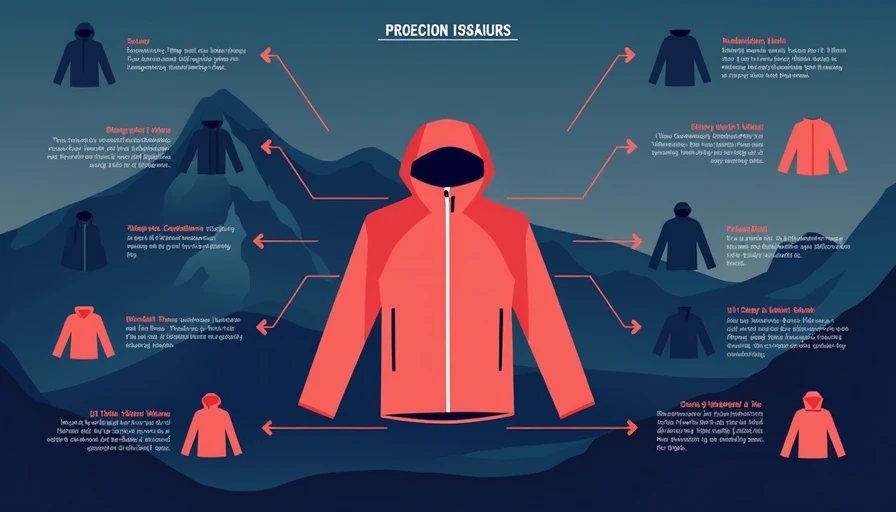
Budget Picks, Premium Picks, and What Is Worth Paying For
This is where outdoor marketing gets loud. You do not need the most expensive jacket to get good performance. In many cases, the sweet spot is around $120 to $250 for a shell or synthetic jacket that will serve most hikers and everyday users well. Once you push past that, you are often paying for lower weight, more premium fabrics, cleaner patterning, or brand cachet.
Brands like Patagonia, Outdoor Research, Columbia, REI Co-op, Marmot, and Arc'teryx all play in this space, but they do not serve the same buyer. Columbia often wins on budget. REI Co-op usually offers sensible value. Patagonia tends to do durability and repair culture well. Arc'teryx can be excellent, but not everyone needs to spend that much for dog walks and weekend trails.
If I were using a One jacket finder for a first serious purchase, I would spend more on waterproof reliability and zipper quality than on ultra-light bragging rights. Cheap insulation can flatten early. Cheap shells can wet out fast. But you can absolutely skip premium status signaling if the fit and fabric on a mid-priced option work for your climate.
Would I buy it again is the better question than is it elite.
My Practical One Jacket Finder Framework
Here is the fast framework I wish more people used. If you mostly deal with rain and wind, buy a shell first. If you mostly deal with dry chill and casual daily wear, buy synthetic insulation first. If you are always moving hard and overheating, start with fleece and add a shell later.
If you want the closest thing to a universal answer from a One jacket finder, I would point most coastal and shoulder-season readers toward a lightweight synthetic insulated jacket with decent wind resistance, or a clean-fitting rain shell if wet weather is the bigger issue. Those two categories cover the most real life for the fewest dollars.
Before you buy, ask four questions: How often will I wear it each week? Can I layer under it? Will I still like it in town? What failed on my last jacket? That last one matters. If your old jacket soaked through, go shell. If it felt bulky and never got worn, go lighter. If it lost warmth after one season, look harder at insulation quality and stitching.
A good One jacket finder does not push you toward more gear. It helps you buy one useful jacket, wear it hard, and know exactly why it works.
No comments yet — be the first to share a thought.