
Pants walking sounds almost too basic to need a guide, right up until you spend six damp miles tugging at a waistband, overheating on a climb, or wishing your phone pocket did not slap your leg every step. Around Half Moon Bay, I test pants on bluff trails, wet dog walks, grocery runs, and the kind of breezy mornings that start in fog and end in sun. Rain, salt, and real mileage included. If you want one pair that can handle trail first, town second — but both matter — fabric, cut, and small details decide whether a pair earns closet space.
What matters most in walking pants
The first thing I look at for pants walking is not the brand tag. It is the fabric blend and how it behaves after a few hours. Nylon-spandex mixes usually beat stiff cotton for most walkers because they dry faster, stretch better, and do not stay clammy after mist, sweat, or a surprise drizzle. Polyester can work too, but some cheaper versions hold odor faster and feel shinier than I want for daily wear.
Fit matters just as much. A slightly tapered leg tends to move better than a wide, floppy cut on narrow trails or windy sidewalks. I also want enough room through the seat and thighs for long strides, steep steps, and crouching to tie a shoe without feeling seam tension. High-rise or mid-rise is mostly personal, but the waistband should stay put without needing constant adjustment.
Then there are the boring details that become important by mile four: pocket depth, zipper quality, ankle opening, and whether the fabric gets noisy. Specs are promises. Wear is the truth.

Best fabrics and fits for real-world miles
For cool mornings and year-round coastal use, my favorite pants walking setup is a light to midweight stretch woven fabric. Think something in the outdoor lane from Patagonia, prAna, Outdoor Research, or REI Co-op, usually in the $70 to $120 range full price, with better sales if you are patient. These are not miracle pants, but they generally breathe well, resist brush snags, and look normal enough for coffee after a walk.
If your usual route is flat neighborhood pavement, travel days, and casual park loops, jogger-style pants can work surprisingly well. The trade-off is durability. I have had soft knit joggers feel great for two months, then pill badly where a crossbody bag rubbed or where salt air and repeated washing hit the fabric. What failed first? Usually the knees losing shape or the waistband stretching out.
For rougher use, skip heavy canvas unless it is truly cold. It lasts, sure, but for most walkers it runs hot, dries slowly, and feels like overkill. Would I buy it again for everyday miles? Usually no.
Weather changes everything
A pair that feels perfect on a dry 55-degree morning can feel awful when the sun pops out or wind starts driving mist sideways. That is why pants walking should be matched to your local weather, not just a store mannequin.
On the coast, I want light wind resistance and quick drying. Full waterproof pants are too much for regular walking unless it is genuinely raining hard, because they trap heat and turn a simple walk into a sauna. A durable water repellent finish helps for drizzle, wet benches, and dewy grass, but it will wear down over time, especially with frequent washing.
In warmer inland conditions, breathability matters more than weather resistance. Look for vented pockets, thinner fabric, and a cut that does not cling. If you hike or walk in bug-heavy areas, a loose-but-not-baggy fit is more comfortable than leggings or tight joggers.
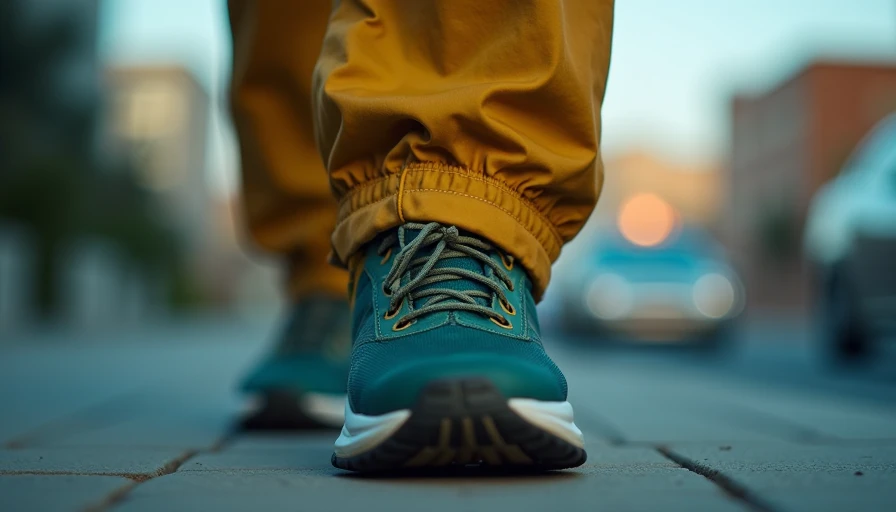
Cold weather changes the equation again. Fleece-lined walking pants sound great, but many are too warm once you build heat. I usually get better mileage from standard stretch pants plus a thin base layer when needed. More flexible, easier to wash, and less likely to become one-season closet clutter.
Trail style without looking over-geared
This is the part outdoor brands often miss. A lot of people want pants walking options that can handle a two-hour trail loop and still look fine grabbing lunch after. That means avoiding the extremes: not too tactical, not too yoga-studio, not too mountaineering-extra for a local path.
The easiest win is color. Earth tones, charcoal, muted olive, deep navy, and clean black are easier to wear than loud technical shades. They also hide trail dust better than pale khaki. I like a matte fabric with a little structure because it reads less like gym wear and more like actual clothing.
Pocket placement matters for style too. Giant cargo pockets usually make a pair feel bulky, while one zip pocket hidden at the thigh or back is genuinely useful. Pair these pants with trail runners, a fleece, and a plain tee, and you have a trail-to-town uniform that works without trying too hard.
Premium brands can nail this, but you do not always need Arc'teryx prices. Some of the best value lives in sales racks, secondhand sites, and last season's colors.
My practical buying checklist
If I am shopping specifically for pants walking, I keep the checklist simple. First, can I walk at least a few miles without thinking about them? That sounds obvious, but many pants fail here because of seams, rise, or pocket bounce. Second, will they still feel good in mixed conditions: cool start, warmer finish, maybe wind, maybe damp air? Third, do they look decent enough that I will actually wear them often?
I also check care instructions. Pants that need delicate treatment rarely survive real life in a house with dirt, dog hair, salt air, and repeated washes. Abrasion points matter too. Look at inner thigh wear, pocket corners, and cuff scuffs. Those areas tell you more about long-term value than marketing copy ever will.
My short version: for pants walking, buy lightweight stretch woven pants before buying heavy hikers, and buy one solid pair before chasing five cheap mediocre ones. Trail first, town second — but both matter. If a pair feels good in fog, on pavement, and after mile six, that is the one worth keeping.
No comments yet — be the first to share a thought.