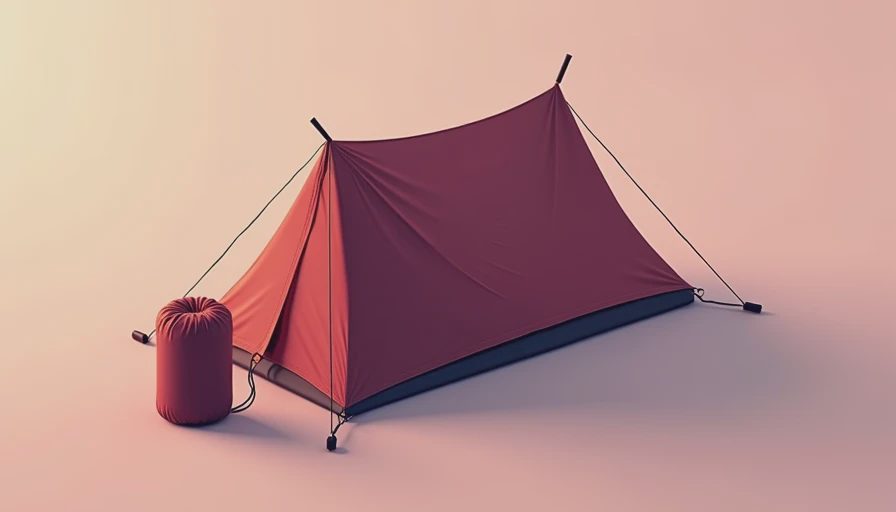
ultralight is one of those words that starts as a useful idea and quickly turns into a personality contest. I live on the coast near Half Moon Bay, and most of my gear gets tested in fog, wind, salt air, wet trail dust, and the kind of weekend mileage that exposes bad buying decisions fast. My version of ultralight is simple: carry less, move better, and stop paying premium prices for things that save ounces but fail early. Rain, salt, and real mileage included.
What ultralight should actually mean
At its best, ultralight is not about bragging rights. It is about reducing the stuff that slows you down, digs into your shoulders, or stays unused at the bottom of your pack for three seasons straight. On a 10 to 14 mile day hike, dropping even 4 to 6 pounds from your load changes how your hips, knees, and feet feel by mile eight. That part is real.
Where people get sideways is treating every item like a spreadsheet win. Specs are promises. Wear is the truth. A shelter that saves 8 ounces but gets miserable in wind is not a smart buy for exposed Sierra camps. A wafer-thin rain shell that wets out in coastal drizzle after one season is not clever, just annoying. My rule is boring but effective: cut dead weight first, then cut duplicate functions, then spend money only where lighter gear also improves comfort.
The easiest wins are usually your pack, shelter, sleep system, water setup, and extra clothing. You do not need five gadgets to make coffee, three backup lights, or a camp chair for every overnight. But you also do not need to suffer to earn the ultralight label.
The items worth trimming first
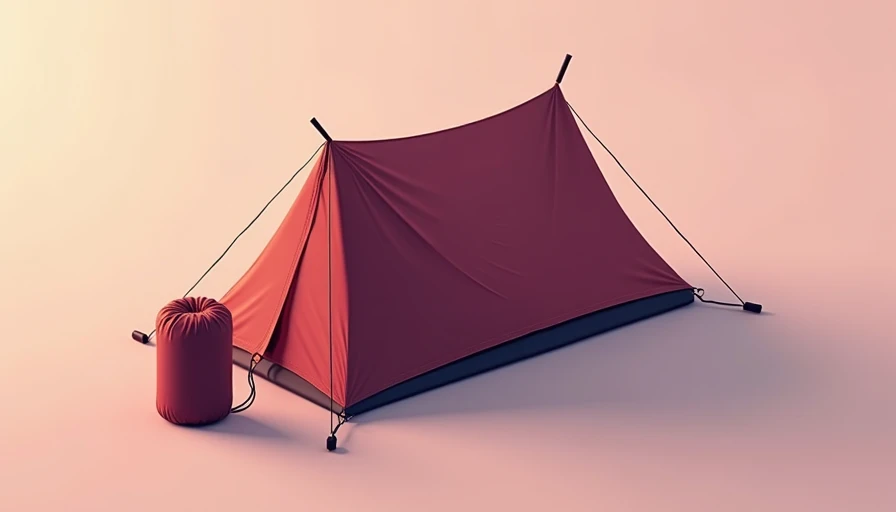
If you want an ultralight kit without turning your trip into an endurance stunt, start with the big pieces. A traditional backpacking pack can weigh 4 to 5 pounds before you add a single snack. Many lighter framed packs land closer to 2 to 3 pounds and still carry well if your total load stays reasonable. That is a huge difference you feel all day.
Sleeping bags and pads are another place where ounces matter, but this is where cheap mistakes happen. I would rather carry a few extra ounces than spend a cold night shivering because a bag looked good on a product page. Same with shelters. A simple trekking-pole tent or tarp setup can save real weight, but only if you are willing to learn the setup and accept the trade-offs in condensation, space, and storm comfort.
Clothing is where most people quietly overpack. For a normal three-season trip, one hiking outfit, one dry sleep layer, one insulation piece, and one rain layer often covers it. That extra cotton shirt for the drive home? Leave it in the car.
Where ultralight gear gets dumb fast
This is the part outdoor marketing loves to skip. Some ultralight products are brilliant. Others are expensive little ego trophies. I have used enough coastal trail gear to know that super-thin fabrics can look heroic online and feel sketchy after a few weeks of brush, grit, and salt.
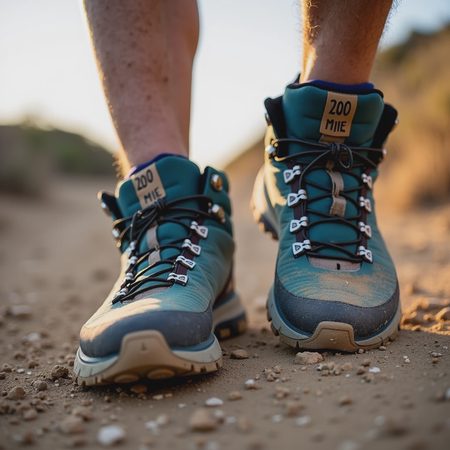
Trail runners are a good example. Lighter shoes usually help more than shaving a few ounces from a spoon or stuff sack. But the lightest option on the wall is not automatically the best one. If the upper blows out at 120 miles or the outsole turns slick on wet rock, what exactly did you buy? What failed first? That matters more than a catalog number.
The same goes for jackets, packs, and tiny titanium everything. I like light gear. I do not like fragile gear disguised as advanced design. For most hikers, the sweet spot is durable-light, not absolute-light. Think practical brands and proven models, not the most stripped-down thing in the store. Would I buy it again is a better test than would it impress the internet.
A practical ultralight setup for normal hikers
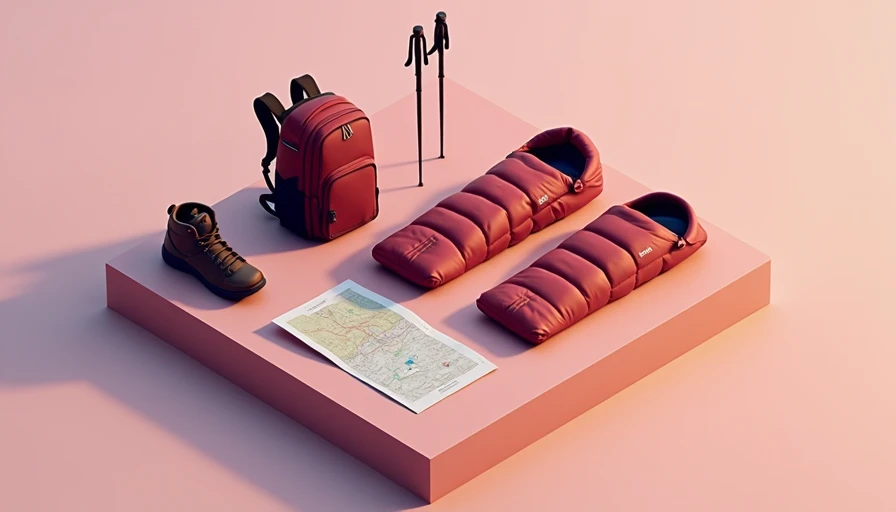
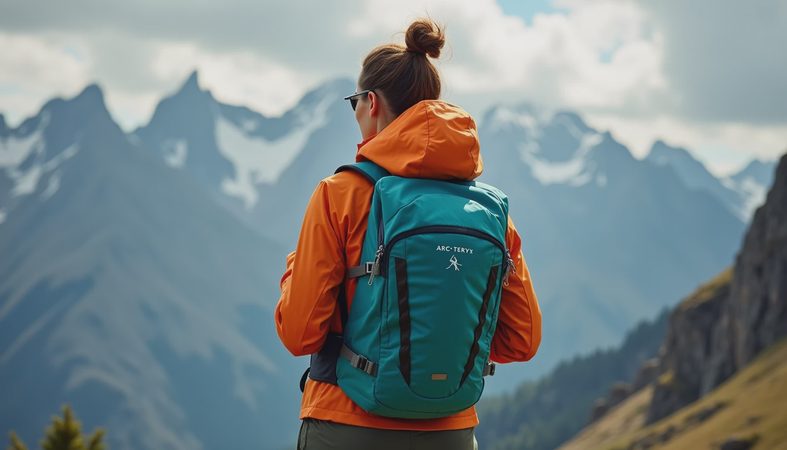
For day hikes, ultralight can be refreshingly simple. Carry a 15 to 22 liter pack, one extra insulating layer, a light waterproof shell, enough water capacity for the route, snacks, a small first-aid kit, a headlamp, and basic navigation. That is it for most conditions. If your day pack weighs 18 pounds before water, you are probably packing for a fictional emergency instead of the trail you are actually walking.
For overnights, I like a setup that stays sane instead of extreme: a pack around 2 to 2.5 pounds, a shelter under 3 pounds, a sleep setup matched to the actual forecast, one stove and one pot, and clothing that layers cleanly. You can build that kind of kit without spending luxury-brand money. REI, Nemo, Big Agnes, Osprey, and Patagonia all make options that land in the realistic middle ground. Cottage brands can go lighter, but the price jumps fast.
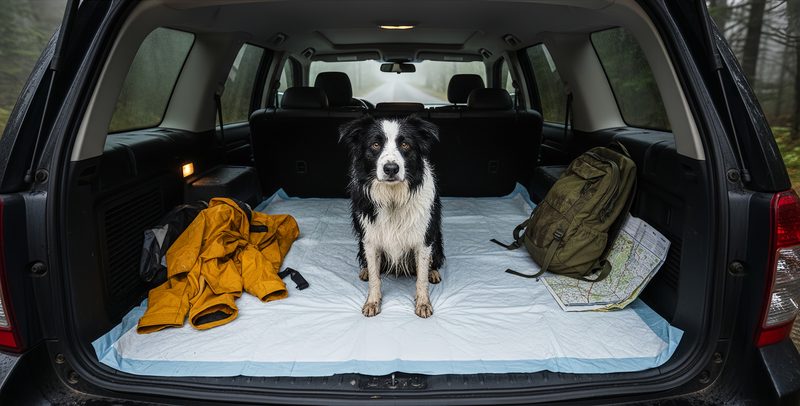
Trail first, town second — but both matter. If an item works on trail and still feels usable around camp, at a roadside coffee stop, or during a foggy dog walk the next morning, that is a better value than a specialty item that only shines in one narrow scenario.
How to buy ultralight without wasting money
My best advice is to avoid the full-kit purge. Do not replace twenty items at once because a forum told you to. Weigh what you already own. Track what you actually use. Then upgrade the worst offenders first. Usually that means an old pack, a bulky sleeping bag, heavy rain gear, or extra clothing you never touch.
Budget matters, and ultralight can get silly fast. A $300 to $600 shelter and a $350 quilt are real purchases, not casual impulses. Sometimes the better move is buying last year’s model on sale or picking up lightly used gear from a local shop, gear swap, or resale site. Premium does not always mean better for your weather, mileage, or habits.
My field-note version of ultralight is not glamorous. It is just honest. Cut what you do not need. Keep what keeps you warm, dry, and moving well. Ignore the purity test. If your lighter kit gets you out more often and leaves your knees less wrecked on the drive home, it is working. That is the whole point.
No comments yet — be the first to share a thought.