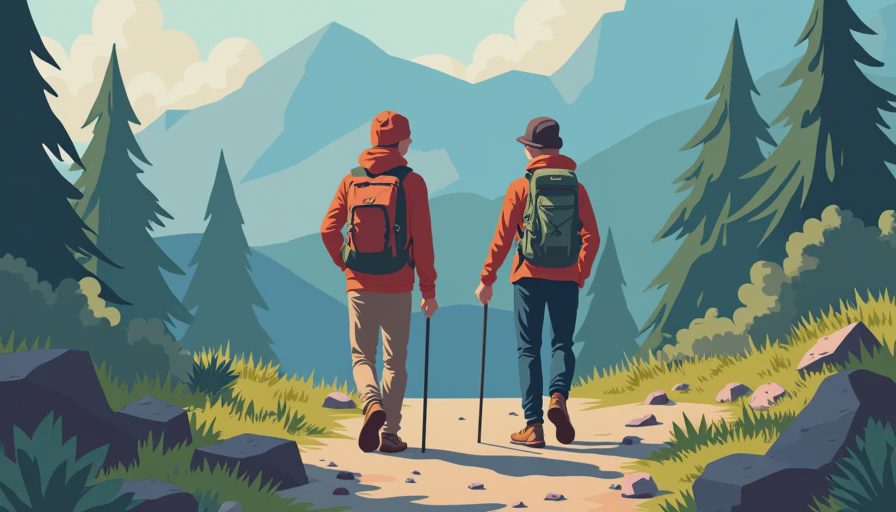
If you have ever stood in a store dressing room wondering, **should hiking pants be tight or loose**, the short answer is neither. Good hiking pants should fit close enough to move with you, but loose enough to let you climb, crouch, and walk for hours without feeling pinched. That sounds annoyingly in-between, I know, but after plenty of foggy Half Moon Bay hikes, muddy dog walks, and long Sierra days, that middle ground is exactly where the best pairs live. Specs are promises. Wear is the truth.
The best fit is trim, not restrictive
When people ask me if hiking pants should fit like leggings or baggy workwear, I usually tell them to aim for a trim athletic fit. Not painted on. Not flapping in the wind. You want enough room in the seat, thighs, and knees to take a big step over a log or squat to adjust a boot without hearing seams complain.
On trail, tight pants fail in predictable ways. They pull across the knees on climbs, bind at the hips when stepping uphill, and get old fast on long descents. Loose pants have their own problems. Extra fabric catches on brush, stays wet longer in coastal mist, and can feel sloppy under a hip belt. Trail first, town second — but both matter. A pair that fits cleanly tends to work better in both places.
My quick test is simple: march in place, do a deep squat, raise one knee high, and sit down. If the waistband digs, the thighs lock up, or the knees feel tension, they are too tight. If the fabric bunches like sails and the cuffs slap your ankles, they are too loose.
Where fit matters most: waist, thighs, knees, and cuffs
If you really want to answer **should hiking pants be tight or loose**, stop thinking about the whole pant as one idea. Break it down by zone.
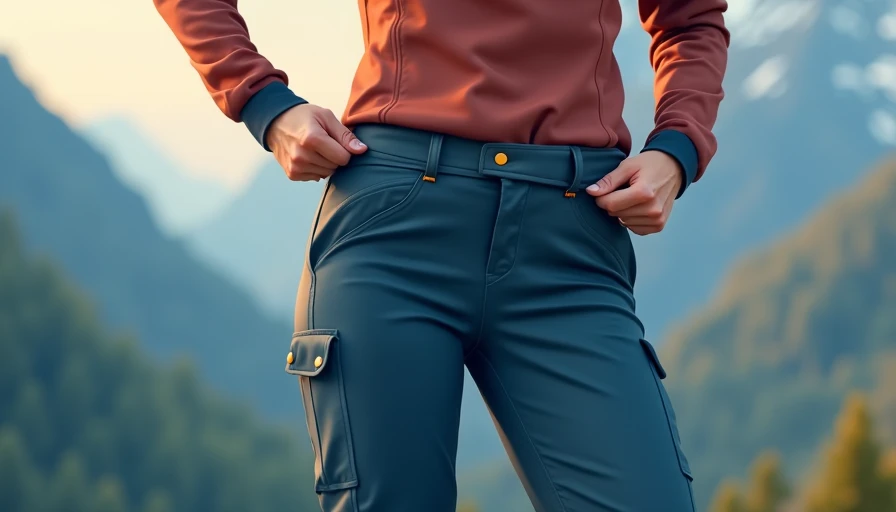
The waist should stay put without needing a belt cranked to the last notch. Most good hiking pants have some stretch, a gusseted crotch, or a partially elastic waist. Those details matter more than chasing a super-snug fit. At the thighs, you want free movement. This is usually the first place a bad fit reveals itself, especially on steep switchbacks or when scrambling over rocks.
Knees should articulate naturally. Some brands build in shaped knees, and it genuinely helps. I notice it most after 8 to 10 miles, when repetitive climbing starts exposing every dumb design shortcut. At the cuffs, keep enough room for airflow and easy boot clearance, but not so much that you are collecting burrs and mud.
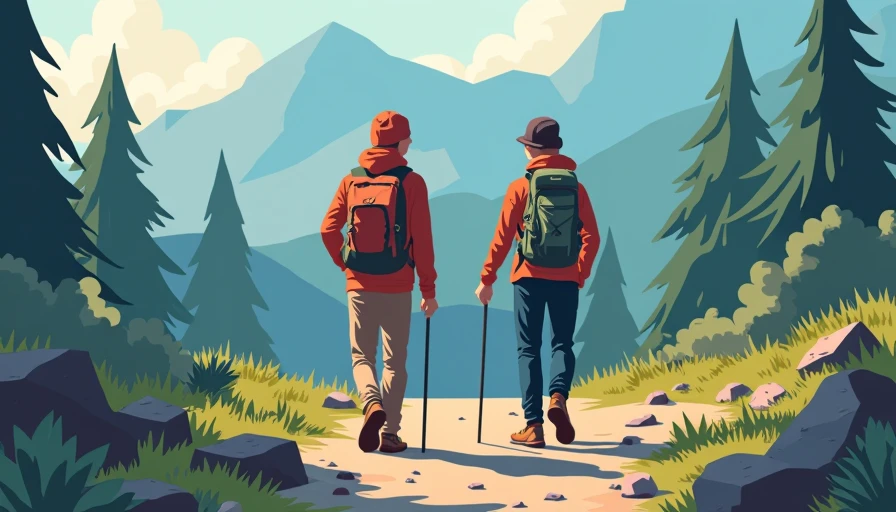
One field-note truth here: if a pair feels slightly too tight in the dressing room, it rarely gets better on trail. If it feels slightly roomy but stays secure at the waist, that is often the safer buy.
Weather changes the answer more than most people think
Fit is not just about body shape. It is also about conditions. Around the coast, where I get wind, salt air, and damp mornings, slightly looser hiking pants can feel better because they breathe more and do not cling when the fabric picks up moisture. On hot inland trails, airflow matters even more. Tight synthetic fabric can turn your legs into a greenhouse.
In colder weather, though, a closer fit starts making more sense, especially if you are layering over light base bottoms or trying to cut down on heat loss in wind. I still do not want tight, but I do want controlled volume. Baggy pants in cold weather can feel drafty and annoying.
Rain changes things again. Wet fabric weighs more, and pants that already feel restrictive when dry become worse when soaked. Rain, salt, and real mileage included: a little extra mobility is your friend. This is why many hikers end up preferring soft-shell style pants with moderate stretch instead of stiff, overly tailored pairs that look great on a product page and feel terrible by mile six.
Fabric and cut matter more than the size tag
A lot of confusion around **should hiking pants be tight or loose** comes from people focusing too much on size and not enough on fabric and patterning. A slim pair with four-way stretch may hike better than a looser pair made from stiff nylon with no give. A gusseted crotch can save a pant. Articulated knees can save your patience. Cheap fabric with a bad cut will still feel bad, even if you size up.
I have had budget hiking pants in the $50 to $80 range outperform pricier pairs simply because the cut was smarter. REI Co-op, prAna, Kühl, Outdoor Research, and Patagonia all make solid options, but the logo does not guarantee comfort. What failed first? Usually the fit decision, not the marketing copy.
If you are between sizes, I would usually go with the one that gives you better range of motion, then tune the waist with a belt if needed. I would rather manage a slightly roomier waist than spend a full day feeling thigh pull and knee bind. Would I buy it again is always the final test, and restrictive pants rarely get a second chance.
How hiking pants should feel on a real hike
Here is the standard I use after enough miles to stop trusting dressing-room optimism: you should forget about your pants for most of the day. That is the goal. You should not be yanking the waistband up, peeling fabric off your knees, or noticing seams every time the trail steepens.
A good fit lets you stride naturally on flat trail, step high on rocky sections, and sit on a log without pressure points. If you are doing casual day hikes or travel, a slightly cleaner, trimmer fit is nice because it works off trail too. If you are carrying a pack, bushwhacking, or spending all day in variable weather, I would bias toward a little more room.
One more practical note: do not judge fit standing still. Walk around. Climb stairs. Lunge. Sit. Wear the shoes you actually hike in if possible. Trail clothing is movement clothing. That sounds obvious, but a lot of bad buys happen under bright retail lights with zero movement.
The verdict: not tight, not baggy, just trail-ready
So, **should hiking pants be tight or loose**? They should be comfortably loose in motion and neatly fitted at rest. That is the sweet spot. Think trim through the leg, secure at the waist, easy through the hips and thighs, and flexible at the knees. If a pair looks ultra-sleek but limits your stride, skip it. If it feels like excess fabric with pockets, skip that too.
My bias is simple: buy the pair that disappears on trail and still looks decent when you stop for coffee or a post-hike beer. Trail first, town second — but both matter. In real use, the best hiking pants are the ones that let you move without fuss, dry reasonably fast, and do not make you think about them every ten minutes. That is the answer I trust after fog, mud, granite, and too many disappointing fitting-room miracles.
No comments yet — be the first to share a thought.