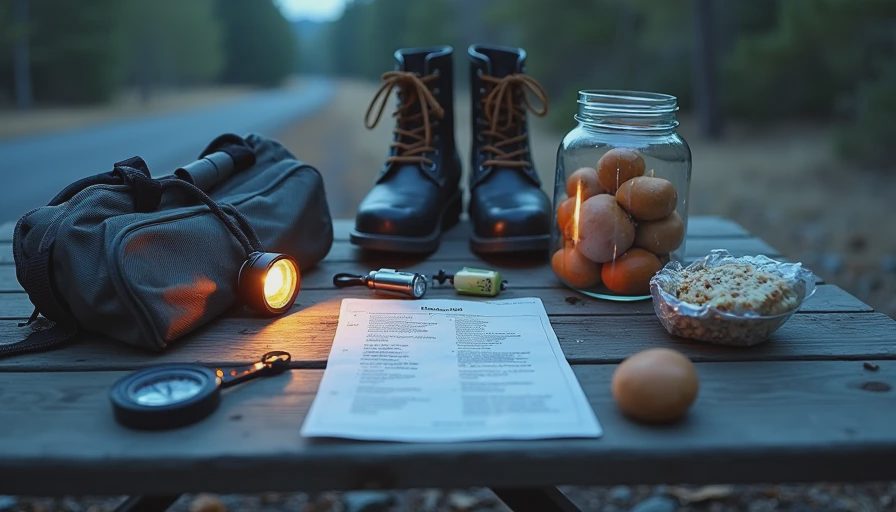
A good **backcountry packing list** is less about chasing ultralight bragging rights and more about carrying the right things for the terrain, weather, and mileage ahead. On coastal trails near Half Moon Bay, I can get away with less insulation and more wind protection. In the Sierra, that same setup can feel foolish by sunset. Rain, salt, and real mileage included: the best list is the one that keeps you moving, sleeping, and eating well without turning your pack into a punishment device.
Start With the Big Four
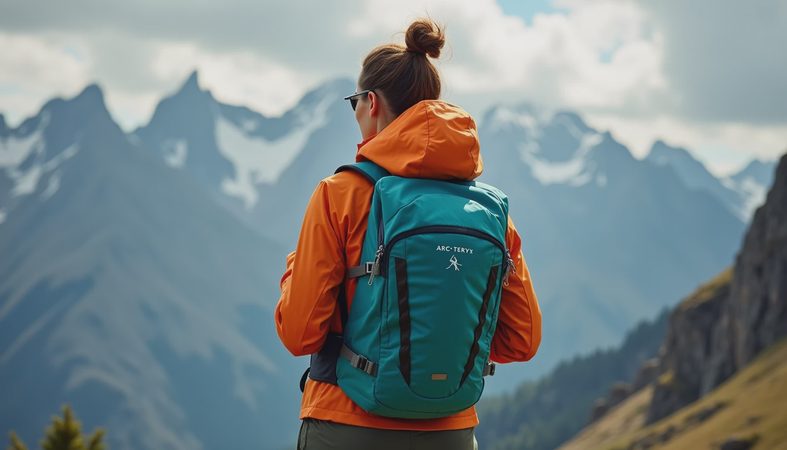
If your pack feels heavy before you add food and water, the problem usually starts with the big four: pack, shelter, sleep system, and sleeping pad. That is where weight and comfort swing the hardest. For a basic weekend setup, I want a 45 to 60 liter pack that carries well at 25 to 35 pounds, not just one that looks sleek on a gear wall. A framed pack from Osprey, Gregory, or REI can be the smarter buy for newer hikers than a trendy ultralight option that rides badly.
For shelter, a one- or two-person tent around 2 to 4 pounds is a realistic sweet spot. If bugs are low and weather is stable, a tarp setup saves weight, but it demands practice. For sleep, match your bag or quilt to expected overnight lows, not daytime highs. A 20-degree bag is a common three-season choice. Pair it with an insulated pad. This is not the place to get cute and underpack.
Clothing: Pack for Conditions, Not Fantasy
Most bad packing comes from optimism. People imagine sunny switchbacks and forget the windy ridge, damp morning, or long stop for lunch when sweat turns cold fast. My backcountry packing list for clothing stays boring on purpose: one hiking outfit, one dry sleep layer, insulation, and rain protection. That usually means a synthetic or merino shirt, hiking pants or shorts, extra socks, a fleece or lightweight puffy, a rain shell, and a warm hat.
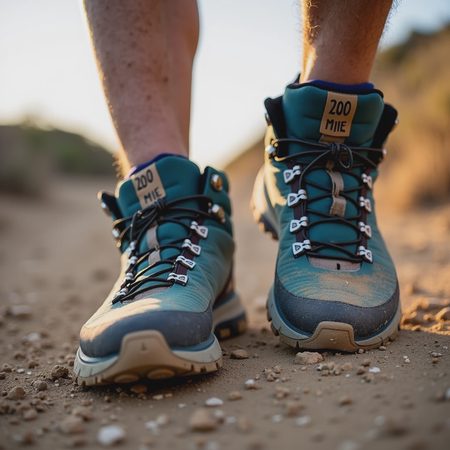
Would I bring backup jeans, extra hoodies, or a fourth T-shirt? Absolutely not. Specs are promises. Wear is the truth. A shell that survived 15 wet miles on a foggy coastal day earns space; a stylish layer that wets out in an hour does not. For footwear, trail runners work for many people and dry faster than boots, but if your ankles are cranky or the route is rocky with a heavier load, boots still make sense.
Water, Food, and the Small Stuff That Saves Trips
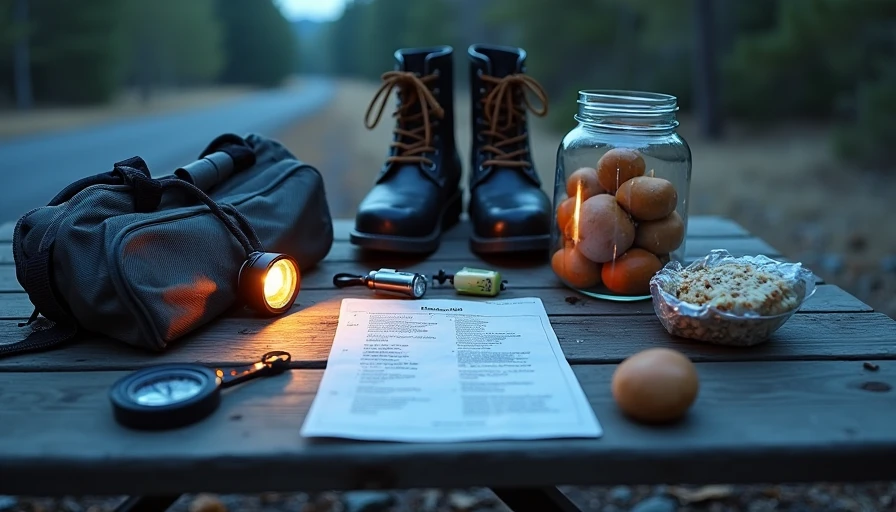
This is where a **backcountry packing list** gets practical fast. Water treatment is non-negotiable. I usually carry two one-liter bottles plus either a filter from Sawyer or Katadyn, or purification tablets as backup. On dry stretches, capacity matters more than shaving ounces off a spoon. Know your route and likely water sources before you leave.
Food should be simple, calorie-dense, and easy to eat when tired. Think instant oatmeal, tortillas, nut butter, tuna packets, ramen, dehydrated meals, bars, and salty snacks. For a weekend, I would rather carry food I know I will eat than a pile of aspirational camp cuisine. Add a stove, fuel, lighter, mug or pot, and a spoon. If fire restrictions are in place, your stove setup matters even more.
Then come the small items that feel optional until they save the day: headlamp, power bank, map, compass, first-aid kit, blister care, knife, lighter, repair tape, sunscreen, lip balm, toilet kit, and trash bag. What failed first on cheap trips for me? Usually lighting, water storage, or ignored foot care.
Safety Gear You Should Not Skip
A reliable **backcountry packing list** has a safety layer built in, even for short overnights. That does not mean hauling a survival bunker on your back. It means covering the basics with intention. Navigation should include more than a phone. Offline maps are great, but batteries die, screens crack, and cold drains power fast. Carry a paper map or route notes and know how to read them.
Your first-aid kit should be small but useful: bandages, blister treatment, pain relief, tape, gauze, any personal meds, and a few basics for cuts or minor sprains. I also like a whistle and an emergency bivy for shoulder season or more remote trails. If you are out of cell range, a satellite messenger like a Garmin inReach can be worth every dollar, especially on solo trips.
Weather can turn a mellow route serious in a hurry. A puffy that seems excessive at noon can feel brilliant at 8 p.m. Camp warmth is morale. Morale is mileage. That is not dramatic; it is just how tired people make bad decisions.
How I Keep Pack Weight Reasonable
The easiest way to improve your **backcountry packing list** is not buying the most expensive gear. It is cutting duplicate items, choosing multi-use pieces, and being honest about what never gets used. Trail first, town second — but both matter. If a fleece works on trail breaks and around camp, great. If a gadget only solves one unlikely problem and weighs a pound, it stays home.
A few easy cuts: swap a heavy camp chair for a sit pad, skip full-size toiletries, leave extra clothing behind, and repackage food. I also avoid giant first-aid kits stuffed with things I do not know how to use. Budget matters here. You do not need a $600 ultralight shelter to build a smart kit. Used gear, last-season colors, and durable mid-priced brands often offer better value than prestige logos.
Would I buy it again is my favorite filter. If an item keeps showing up after wet weekends, sandy trailheads, and messy pack-outs, it belongs. If it looked good online but annoys me every trip, it is gone.
A Simple Weekend Backcountry Packing List
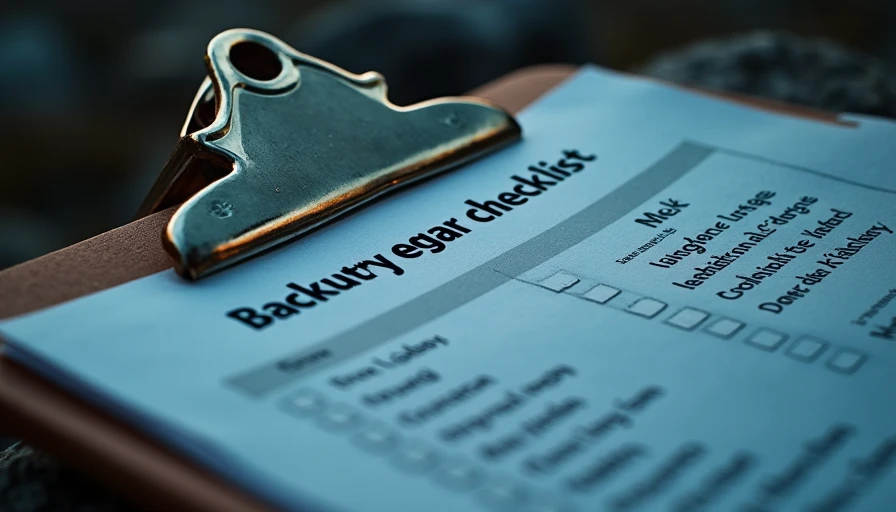
Here is the clean version of a weekend **backcountry packing list**: pack, tent or tarp, sleeping bag or quilt, sleeping pad, worn hiking clothes, sleep base layer, extra socks, insulation layer, rain shell, hat, water bottles or reservoir, filter, two days of food, stove and fuel, lighter, pot and spoon, headlamp, power bank, map, first-aid kit, toilet kit, sunscreen, sunglasses, knife, repair tape, and trash bag. Add bear storage where required.
That is the core. Then adjust for season, bugs, elevation, and trip length. Hot desert route? Carry more water capacity and sun coverage. Sierra shoulder season? Add warmer layers and more caution around overnight lows. Wet coastal forecast? Prioritize shell performance and dry sleep clothes.
The best **backcountry packing list** is not the flashiest one. It is the one that gets you home tired, dirty, and comfortable enough to want another trip next weekend.
No comments yet — be the first to share a thought.